Sustainable Travel in Thailand: Practical Tips to Minimize Your Environmental and Cultural Impact
- Sustainable Travel in Thailand: Practical Tips to Minimize Your Environmental and Cultural Impact
Thailand, with its shimmering temples, bustling markets, pristine beaches, and lush jungles, beckons millions of travelers each year. However, the sheer volume of tourism can put immense pressure on its delicate ecosystems and rich cultural heritage. Embracing sustainable travel in Thailand isn’t just a trend; it’s a crucial responsibility for every visitor. This comprehensive guide provides practical tips to help you explore the Land of Smiles while minimizing your environmental footprint and respecting its vibrant culture. By making conscious choices, you can contribute to preserving Thailand’s beauty for generations to come.
Understanding Sustainable Travel in Thailand
Sustainable travel, often called eco-tourism or responsible tourism, is about making choices that have a positive impact on the places you visit. It’s about respecting local cultures, supporting local economies, and protecting the environment. When applied to Thailand, this means being mindful of everything from your plastic usage to your interactions with local communities and wildlife. It’s an approach that prioritizes the well-being of the destination and its people over short-term tourist gains.
What is Sustainable Travel?
At its core, sustainable travel aims to minimize the negative impacts of tourism while maximizing its positive contributions. This includes economic benefits for local communities, cultural preservation, and environmental protection. It encourages travelers to be thoughtful consumers, choosing options that benefit the destination directly rather than large, often foreign-owned, corporations.
Why is it Crucial for Thailand?
Thailand’s natural beauty and cultural richness are its biggest draws. However, these assets are vulnerable. Over-tourism has led to issues like plastic pollution in marine environments, damage to coral reefs, strain on local resources, and the commercialization of cultural practices. By practicing sustainable travel in Thailand, visitors can help mitigate these problems, ensuring that the country remains a paradise for future generations and that local communities thrive authentically.
Environmental Impact: Practical Tips for a Greener Journey
Reducing your environmental footprint is a cornerstone of sustainable travel. Every small action contributes to a larger positive change, especially in a country as ecologically diverse as Thailand. From how you travel to what you consume, conscious choices can make a significant difference.
Reduce Your Carbon Footprint
- Choose Eco-Friendly Transportation: Opt for trains and local buses over domestic flights where possible. Thailand’s rail network offers scenic routes and reduces emissions significantly.
- Walk or Cycle: In smaller towns and cities, exploring on foot or by bicycle is a fantastic way to see the sights and reduce your impact.
- Share Rides: If hiring a taxi or van, consider sharing with other travelers to reduce the number of vehicles on the road.
Conserve Resources and Reduce Waste
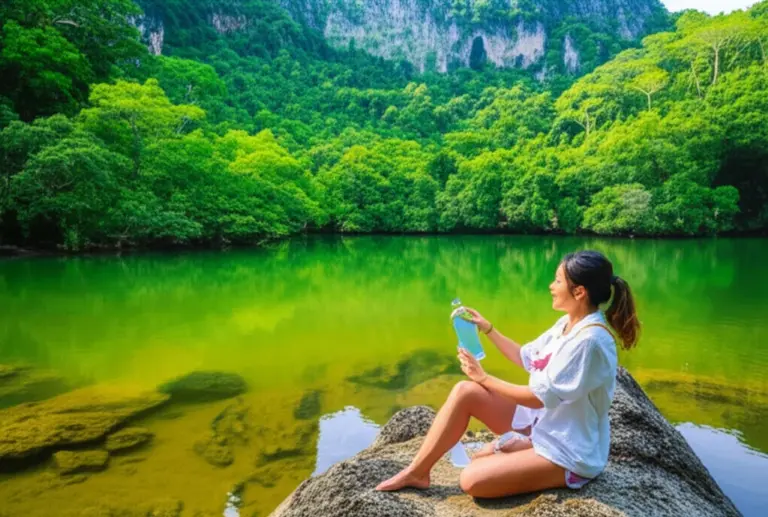
- Bring Reusable Bottles and Bags: Plastic waste is a major problem in Thailand. Carry a reusable water bottle and refill it frequently (many hotels and cafes offer filtered water stations). Use a reusable shopping bag for purchases.
- Pack Solid Toiletries: Reduce plastic packaging by opting for solid shampoo, conditioner, and soap bars.
- Mind Your Consumption: Turn off lights and air conditioning when leaving your room. Take shorter showers to conserve water.
Protect Wildlife and Natural Habitats
- Avoid Unethical Animal Tourism: Say no to elephant riding, tiger temples, and shows that exploit animals. These activities often involve cruel training and unnatural living conditions.
- Choose Reputable Sanctuaries: If you want to interact with elephants, research and visit ethical sanctuaries that prioritize the animals’ welfare, allowing them to roam freely and express natural behaviors.
- Respect Marine Life: When snorkeling or diving, do not touch coral reefs or marine animals. Use reef-safe sunscreen to protect delicate ecosystems.
- Stick to Marked Trails: When exploring national parks or natural areas, stay on designated paths to avoid disturbing vegetation and wildlife.
Cultural Impact: Respecting Local Traditions and Communities
Thailand’s rich culture and the warmth of its people are unforgettable. By traveling respectfully, you ensure that your presence is welcomed and that your interactions are positive. This aspect of sustainable travel in Thailand is about genuine engagement and appreciation.
Support Local Economies
- Buy Local Products and Crafts: Purchase souvenirs and goods from local artisans and markets. This directly supports their livelihoods and helps preserve traditional crafts.
- Eat at Local Restaurants and Street Food Stalls: Experience authentic Thai cuisine and contribute to small, family-run businesses.
- Choose Locally-Owned Accommodations: Opt for guesthouses, boutique hotels, or homestays run by Thai nationals over international chains.
Respect Local Customs and Etiquette
- Dress Modestly: Especially when visiting temples or sacred sites, ensure your shoulders and knees are covered.
- Learn Basic Thai Phrases: A simple ‘Sawasdee ka/krap’ (hello) and ‘Kob kun ka/krap’ (thank you) can go a long way in showing respect.
- Ask Permission: Always ask before taking photos of people, especially in rural areas or at religious ceremonies.
- Understand Buddhist Traditions: Never point your feet at people or religious figures. The head is considered sacred, and the feet are the lowest part of the body.
Engage Responsibly with Communities
- Avoid Giving Money to Begging Children: While well-intentioned, this can encourage children to stay out of school. Instead, support reputable local charities or community projects.
- Be Mindful of Cultural Sensitivities: Educate yourself on local customs and traditions to avoid unintentional offense.
Choosing Sustainable Accommodations and Tour Operators
Your choice of where to stay and who to tour with significantly impacts the sustainability of your trip. Look for businesses that actively work to minimize their environmental footprint and contribute positively to local communities.
Look for Eco-Certifications
Many hotels and resorts now carry eco-certifications or proudly display their commitment to sustainability. Look for labels like Green Globe, EarthCheck, or local Thai initiatives that indicate responsible practices, such as waste management, water conservation, and community engagement.
Research Tour Operators’ Ethics
Before booking any tours, especially those involving wildlife or cultural interactions, research the operator’s ethics. Choose companies that have clear policies on animal welfare, support local guides, and contribute to community development projects. Avoid those that offer activities known to be harmful, such as unethical animal encounters.
Preparing for Your Sustainable Thai Adventure
A little preparation can go a long way in ensuring your trip is as sustainable as possible. Planning ahead allows you to make informed decisions and pack smartly.
Pack Light and Smart
Lighter luggage means less fuel consumption for transportation. Pack versatile clothing suitable for different climates and activities, and remember your reusable items like water bottles, bags, and toiletries.
Research Before You Go
Take time to learn about Thailand’s customs, traditions, and environmental challenges. Understanding the local context will enable you to make more responsible choices and engage more meaningfully with the culture. Resources like the Tourism Authority of Thailand (TAT) often provide information on sustainable initiatives.
Embracing sustainable travel in Thailand is a powerful way to ensure your adventure is not only memorable but also beneficial for the country and its people. By making conscious decisions – from how you travel to what you buy and how you interact – you become a part of the solution, helping to preserve the Land of Smiles for future generations of travelers and locals alike. Your responsible choices contribute to a more beautiful, thriving, and authentic Thailand.