Staying Safe and Confident Alone: Health Precautions, Local Laws, Scams to Avoid, and Emergency Contacts
- Staying Safe and Confident Alone: Health Precautions, Local Laws, Scams to Avoid, and Emergency Contacts
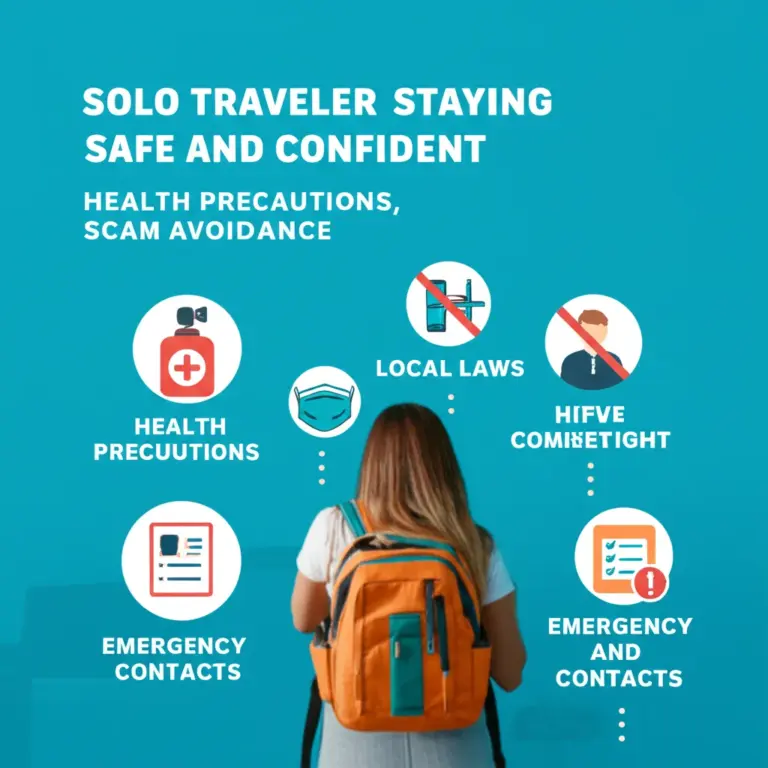
Thailand, the Land of Smiles, is a dream destination renowned for its stunning beaches, vibrant culture, and delicious cuisine. For solo travelers, it offers unparalleled freedom and opportunities for self-discovery. However, being prepared is the key to ensuring your adventure remains positive and unforgettable. This comprehensive guide focuses on Staying Safe and Confident Alone in Thailand by equipping you with essential knowledge on health, legal matters, potential scams, and critical emergency resources.
Essential Health and Wellness Precautions
Navigating a tropical climate requires specific health awareness. Prioritizing your well-being ensures you have the energy to explore everything Thailand has to offer.
Managing the Tropical Climate and Hydration
Food Safety: Street Eats and Water Consumption
Thai street food is legendary, but hygiene practices can vary. Stick to stalls that are busy (indicating high turnover of fresh ingredients) and where food is cooked thoroughly in front of you. **Never drink tap water**; use sealed bottled water for drinking and even for brushing your teeth. Ice in reputable restaurants and hotels is generally safe, as it is often made from purified water.
Insect Protection and Disease Awareness
Mosquitoes are common carriers of Dengue Fever, and in some remote areas, Malaria. Use strong insect repellent, especially at dawn and dusk. Consider wearing light, long-sleeved clothing when hiking or visiting rural areas. Before traveling, check recommended vaccinations with your doctor.
Understanding and respecting Thai culture and laws demonstrates E-E-A-T (Expertise, Experience, Authoritativeness, and Trustworthiness) as a responsible traveler. Knowledge of local laws is crucial for **Staying Safe and Confident Alone in Thailand**.
Respecting the Monarchy and Religion
Thailand holds its Royal Family in the highest regard. Any perceived disrespect (known as Lèse-majesté) is a severe offense, punishable by long prison sentences. Similarly, treat Buddhist images and temples with utmost respect. Dress modestly when visiting temples (shoulders and knees covered) and never touch a monk.
Drug Laws: Zero Tolerance
Visa Overstays and Passport Safety
Overstaying your visa, even by a day, results in fines and potential blacklisting. Keep your passport secure, perhaps in a hidden pouch or hotel safe, and carry a clear photocopy of your passport and visa at all times for identification purposes.
Common Scams and How to Avoid Them
Scams are unfortunately prevalent in major tourist hubs like Bangkok and Phuket. Recognizing the signs is your best defense.
The Gem Scam and Tuk-Tuk Scams
A common scam involves a friendly local or tuk-tuk driver telling you a major site (like the Grand Palace) is ‘closed’ for a holiday, redirecting you instead to a tailor shop or jewelry store promising incredible deals. Simply insist on going to your original destination or use a ride-hailing app like Grab.
Jet Ski and Motorbike Rental Traps
Be extremely wary when renting vehicles. Some operators attempt to charge exorbitant fees for pre-existing damage upon return. Always take detailed photos or videos of the vehicle before you leave the rental shop. If possible, use reputable rental agencies associated with large hotels.
Personal Security and Nighttime Travel
Always be mindful of your belongings, especially in crowded markets or on public transport. Use cross-body bags or money belts. If traveling alone at night, stick to busy, well-lit streets and use official taxis or Grab. Never accept drinks from strangers.
Watch: Solo Travel Safety Tips for Thailand
For more visual tips on navigating Thailand confidently, watch this guide:
Staying Confident and Secure on the Go
Accommodation Safety Tips
Choose accommodation with good reviews, secure entry, and 24-hour reception. Always use the deadbolt or security chain when inside your room, and never advertise your room number publicly. Inform your family or friends of your itinerary and check in regularly.
Transportation Safety (Taxis, Grab, Trains)
When using taxis, ensure the driver uses the meter or agree on a fare beforehand. Ride-hailing apps like Grab (Southeast Asia’s equivalent to Uber) are highly recommended as they track your journey and verify the driver’s identity, providing an extra layer of security for solo travelers.
Emergency Contacts and Essential Resources
Having immediate access to the right emergency numbers is vital for any traveler, especially those **Staying Safe and Confident Alone in Thailand**.
Key Thai Emergency Numbers
| Service | Number | Notes |
|---|---|---|
| General Emergency | 191 | Police/Ambulance |
| Tourist Police | 1155 | English speakers available; highly recommended for tourist issues. |
| Ambulance/Medical Emergency | 1669 | National Ambulance Service |
| Fire Department | 199 |
Embassy and Consular Information
Before you leave, register your travel plans with your national embassy or consulate in Bangkok. Keep their contact details and address stored digitally and in print. They are your primary resource if your passport is lost or stolen, or if you encounter serious legal or medical difficulties.
คำถามที่พบบ่อย (FAQ)
Is Thailand safe for solo female travelers?
Generally, yes. Thailand is very welcoming, but practicing situational awareness, especially at night and in crowded areas, is crucial. Stick to well-lit areas and use reputable transport like Grab or official taxis. Avoid isolated areas after dark, particularly on remote islands.
What are the most important laws tourists should know in Thailand?
The most critical laws involve drug possession (zero tolerance), respecting the monarchy (Lèse-majesté laws are severe and strictly enforced), and ensuring you do not overstay your visa, which results in heavy fines and deportation.
Should I drink tap water in Thailand?
No. It is strongly recommended to drink only sealed bottled water. Use bottled water even for brushing teeth to prevent stomach issues, as the municipal water supply is not treated to international potable standards.
Where should I go if I am scammed or feel unsafe?
If you feel unsafe or have been the victim of a crime or scam, immediately contact the **Tourist Police (1155)**. They are trained to assist foreigners and often have English-speaking officers available 24/7.
References
- Tourism Authority of Thailand Official Website
- U.S. Department of State Travel Advisories for Thailand
- UK Foreign Travel Advice for Thailand
- Solo Travel in Thailand: A Comprehensive Guide for a Safe and Memorable Journey
- Planning Your Solo Trip to Thailand: Best Times to Visit, Visa Tips, and Budgeting for Every Traveler
- Getting Around and Choosing Accommodation: Solo-Friendly Transport, Neighborhoods, Hostels vs Hotels, and Booking Strategies