Practical Tips for Arrival and Daily Life: Accommodation, Meals, Transport, Gear, and Camp Etiquette
- Practical Tips for Arrival and Daily Life: Accommodation, Meals, Transport, Gear, and Camp Etiquette
- Arrival Essentials: Clearing Customs and First Steps
- Accommodation Strategies: From Hostels to Resorts
- Mastering Thai Cuisine: Meals and Street Food Safety
- Navigating Thailand: Transport Options Explained
- Essential Gear Checklist for Your Thailand Adventure
- Camp Etiquette and Cultural Respect
- คำถามที่พบบ่อย (FAQ)
- Is it safe to drink tap water in Thailand?
- What is the best way to handle money and tipping?
- Do I need to learn Thai phrases?
- What is the best SIM card/data option upon arrival?
Welcome to the Land of Smiles! Navigating a new country can be daunting, but with the right preparation, your journey through Thailand will be smooth and memorable. This comprehensive guide provides Practical Tips for Arrival and Daily Life: Accommodation, Meals, Transport, Gear, and Camp Etiquette, ensuring you transition from tourist to confident traveler with ease. Understanding local nuances is key to enjoying the rich culture and vibrant life Thailand offers.
Arrival Essentials: Clearing Customs and First Steps
Upon landing at major hubs like Suvarnabhumi (BKK) or Don Mueang (DMK), efficiency is paramount. Ensure your visa documentation (if required) and entry cards are ready. Have a printed copy of your first night’s accommodation address—this is invaluable for immigration officers and initial taxi drivers.
Airport to City Transport
Avoid aggressive touts. For Bangkok, the Airport Rail Link (ARL) is fast and affordable. For door-to-door service, utilize official metered taxis or pre-book through reputable apps like Grab (Southeast Asia’s equivalent to Uber). Always insist on the meter for taxis; if they refuse, politely find another.
Accommodation Strategies: From Hostels to Resorts
Finding the right place to stay depends entirely on your travel style. Thailand offers incredible value across all segments.
Booking & Location Tips
- Book Ahead for Key Spots: During peak season (November to February), popular islands or national parks require booking several weeks in advance.
- Proximity to Transport: In cities, staying near a BTS Skytrain or MRT station saves significant time and money on road travel.
- Check Connectivity: If remote work is necessary, verify Wi-Fi speeds directly with the property manager before confirming long stays.
Expert Insight: In Northern Thailand (Chiang Mai/Pai), look for accommodations offering communal kitchens if you plan on self-catering frequently.
Mastering Thai Cuisine: Meals and Street Food Safety
Thai food is a highlight of any visit. Embrace the street food culture, but do so wisely.
Eating on the Go
- Follow the Crowd: Stalls with long queues of locals are almost always the safest and best quality bet.
- Observe Hygiene: Look for clean surfaces, separated raw/cooked food areas, and vendors who handle money and food with separate hands or gloves.
- Spice Control: When ordering, use phrases like “Mai Phet” (not spicy) or “Phet Nit Noi” (a little spicy). Default spice levels can be intense!
Don’t forget to try local specialties outside the tourist zones, such as Khao Soi in the North or Massaman curry in the South. Hydration is crucial; always use bottled or filtered water.
Getting around requires flexibility. While major cities have excellent public transit, intercity travel often relies on buses, trains, or domestic flights.
Local Transit Wisdom
When renting scooters, ensure you have the correct license endorsement and always wear a helmet. Insurance coverage is often void without proper licensing, a risk many travelers overlook.
Essential Gear Checklist for Your Thailand Adventure
Packing light is beneficial, but certain items are non-negotiable for comfort and respect.
Must-Have Items
- Sun Protection: High SPF sunscreen, wide-brimmed hat, and UV-protective clothing. The tropical sun is fierce.
- Quick-Dry Clothing: Humidity makes heavy fabrics unusable. Pack lightweight, breathable materials.
- Modest Cover-Ups: A sarong or light scarf is essential for visiting temples (shoulders and knees must be covered).
- Portable Power Bank: Essential for long bus rides or when navigating remote areas where charging points are scarce.
Essential Travel Viewing: For a visual guide on preparing your bag and understanding Thai customs, watch this overview:
Camp Etiquette and Cultural Respect
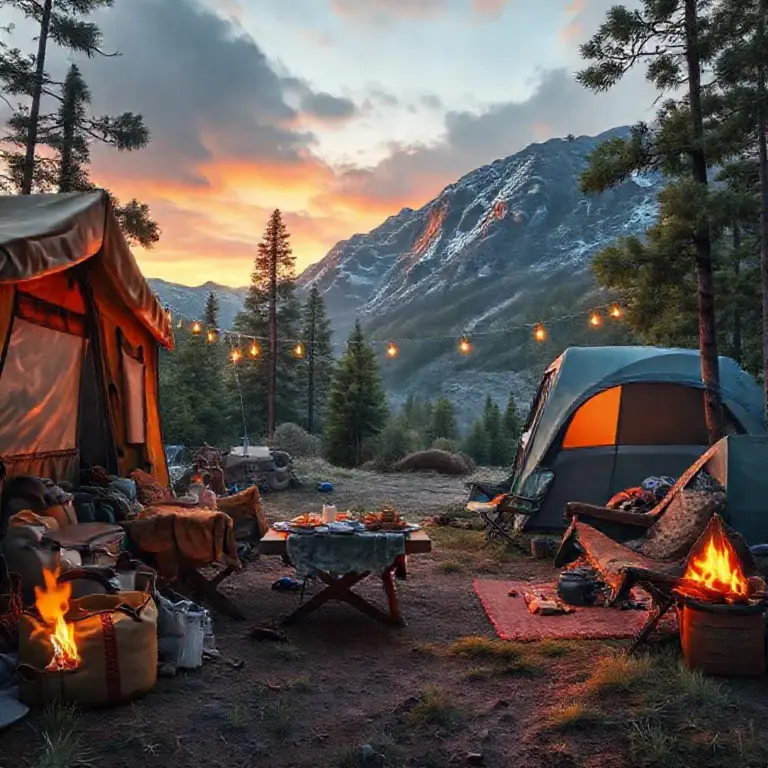
While ‘camping’ might conjure images of remote wilderness, even urban parks or designated campsites require adherence to local customs. More importantly, respecting Thai culture is fundamental to positive interactions.
The Wai, Respect for Elders, and Temple Conduct
- The Wai: This traditional greeting (palms pressed together) is used widely. As a foreigner, a slight nod and smile often suffice, but returning a Wai shows great respect.
- The Head and Feet: The head is considered sacred; never touch a Thai person’s head. Conversely, the feet are considered lowly; never point your feet at a person, a Buddha image, or religious shrine.
- Royal Respect: Displaying disrespect towards the Monarchy is illegal and culturally unacceptable. Be mindful of public comments or imagery.
In designated natural areas, adhere strictly to ‘Leave No Trace’ principles. Pack out all trash, stay on marked trails, and respect wildlife boundaries. Many Thais view natural parks as sacred spaces.