What to Expect at a Performance: dress code, etiquette, seating, duration, language, and how to appreciate masks, music, and gestures
- What to Expect at a Performance: dress code, etiquette, seating, duration, language, and how to appreciate masks, music, and gestures
Welcome to Thailand, a land where ancient stories come alive through vibrant artistry! Attending a traditional Thai performance—whether it’s the intricate Khon masked dance, a classical Piphat music ensemble, or a contemporary adaptation—is a highlight of any visit. However, to fully immerse yourself and show respect, understanding the unspoken rules is key. This guide details exactly what to expect at a performance, covering everything from your outfit to appreciating the subtle artistic nuances.
Understanding the Cultural Context
Thai classical arts are deeply intertwined with Hindu-Buddhist mythology and royal history. They are not merely entertainment; they are religious, historical, and artistic expressions. Therefore, the atmosphere is generally one of reverence, even in modern venues.
The Venue and Atmosphere
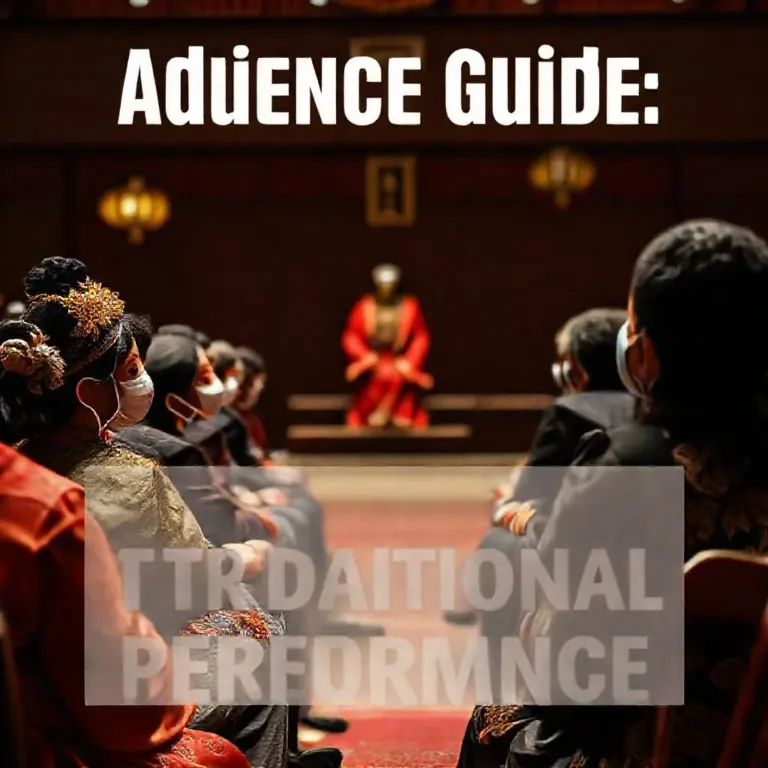
Performances can range from opulent royal theaters to smaller, more intimate cultural centers. Regardless of the venue, maintain a quiet and respectful demeanor. Talking loudly or using flash photography is strongly discouraged as it disrupts the concentration of the performers and disrespects the art form.
Dress Code: Respectful Attire
While modern tourist shows are often flexible, adhering to a respectful dress code is the best way to honor the performers. Understanding what to expect at a performance regarding attire ensures you fit seamlessly into the audience.
General Guidelines for Audience Members
- Cover Shoulders and Knees: This is the golden rule for any cultural or religious site in Thailand, and it extends to formal performances. Avoid tank tops, spaghetti straps, very short shorts, or revealing clothing.
- Footwear: While you usually don’t need to remove shoes unless attending a very traditional setting (like a temple performance), avoid overly casual footwear like flip-flops if the event feels formal.
- Conservative Colors: While not mandatory, opting for slightly more subdued or darker colors is often appreciated, especially for high-profile classical dances.
Seating Arrangements and Duration
Knowing the logistics helps manage expectations for what to expect at a performance, especially regarding timing and comfort.
Seating Etiquette
In most modern theaters, seating is assigned. Be mindful of the performers and the stage. In some traditional settings, sitting cross-legged on the floor might be required. If sitting on the floor, never point the soles of your feet directly at the stage or at a person, as this is considered highly disrespectful in Thai culture.
Duration Expectations
Thai classical performances can be lengthy. A full traditional show, like a complete Khon narrative, might last several hours, often broken up by intermissions. Modern adaptations are usually condensed to 60–90 minutes. Always check the advertised duration beforehand so you can plan accordingly.
Language and Accessibility
The original language of traditional Thai performance is, of course, Thai. However, for international audiences, several accommodations are usually in place.
Narration and Subtitles
Many major venues (like the Sala Chalermkrung Royal Theatre) provide English narration, often projected above the stage or delivered via audio guide headsets. For major shows, English subtitles may also be available.
Understanding Through Movement
Even without full linguistic translation, the stories are often universal. Pay attention to the highly stylized movements and facial expressions, which convey emotion and plot progression.
Appreciating the Art: Masks, Music, and Gestures
The true magic of Thai performance lies in its intricate details. To truly appreciate what to expect at a performance, focus on these three sensory elements.
1. The Significance of Masks (Khon)
In Khon, masks are reserved for divine or supernatural characters (gods, demons, monkeys). Human characters perform without masks, using exquisite facial expressions. Each mask is meticulously crafted, symbolizing the character’s nature—bright colors for good deities, darker or fierce designs for antagonists.
2. The Power of Music (Piphat Ensemble)
The accompanying music is usually provided by a Piphat ensemble, featuring percussion instruments like the ranat ek (xylophone) and various gongs. The music dictates the pace, mood, and movement of the dance. Listen for the characteristic cyclical rhythms that drive the narrative forward.
3. Decoding Gestures (Naatya Sastra)
Thai classical dance utilizes an incredibly codified system of hand gestures, known as natasin. These gestures are a visual language. For example, specific finger positions can signify anything from a flower blooming to a deity descending from heaven. While you won’t know every meaning, recognizing that every movement is intentional enhances appreciation.
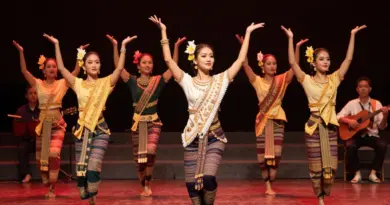
To give you a visual taste of the performance style, here is a look at a traditional dance excerpt:
Essential Performance Etiquette Summary
To ensure a smooth experience for everyone, here is a quick reference table summarizing the core rules of audience behavior:
| Aspect | Do | Do Not |
|---|---|---|
| Attire | Wear clothing covering shoulders and knees. | Wear beachwear or overly revealing clothes. |
| Photography | Use ambient light only; check venue rules. | Use flash photography during the performance. |
| Noise Level | Remain silent during key narrative moments. | Talk loudly on your phone or to companions. |
| Applause | Applaud enthusiastically after major scenes or songs. | Clap randomly or interrupt the flow of music. |
By respecting these established norms, you transform from a mere spectator into an appreciative guest, unlocking a deeper connection with Thailand’s magnificent artistic heritage. Enjoy the show!
คำถามที่พบบ่อย (FAQ)
References
- Visit a Khon and Classical Thai Theatre House: A Complete Guide to Experiencing Traditional Performing Arts
- What is Khon and Classical Thai Theatre? Origins, cultural significance, and what makes the performance unique for first-time visitors
- How to Choose and Book the Best Khon or Classical Thai Theatre Experience: venues, show types, schedules, ticket tips, and accessibility