Best Times, Weather, and River Conditions for Mae Taeng Rafting in the Wet Season (rain patterns, water levels, and what to expect)
- Best Times, Weather, and River Conditions for Mae Taeng Rafting in the Wet Season (rain patterns, water levels, and what to expect)
Welcome to the heart of Northern Thailand’s adventure scene! While many tourists shy away from the monsoon season, seasoned thrill-seekers know that the rainy months transform the Mae Taeng River near Chiang Mai into an exhilarating playground. Understanding the **Best Times, Weather, and River Conditions for Mae Taeng Rafting in the Wet Season** is crucial for maximizing safety and fun. This comprehensive guide, written from an expert perspective, will demystify the patterns of the Southwest Monsoon and prepare you for the ride of your life.
Understanding the Mae Taeng River Seasonality
The Mae Taeng River (or Taeng River) is Chiang Mai’s premier white-water destination. Its flow is entirely dependent on the seasonal rains. The year is generally split into three distinct rafting seasons, with the wet season offering the most dynamic experience.
The Three Seasons of Mae Taeng Rafting
- Dry Season (February – May): Water levels drop significantly, often resulting in Class II or even Class I rapids. Fun, but less intense.
- Shoulder Season (June & November): The transition periods. Conditions are variable, offering a mix of medium flows.
- Wet Season / Monsoon Season (July – October): This is when the river truly roars, typically offering consistent Class III to Class IV rapids.
Deep Dive: Wet Season Rain Patterns and Their Impact
The wet season in Northern Thailand is dominated by the Southwest Monsoon, usually kicking in strongly around July and peaking through September. Predicting the exact daily rainfall is impossible, but understanding the typical pattern is key to planning your adventure.
Typical Wet Season Rainfall Dynamics
Rainfall doesn’t usually mean all-day downpours. Instead, expect:
- Afternoon Storms: The most common pattern involves clear, humid mornings followed by intense, short-lived thunderstorms in the late afternoon or evening. This allows for morning rafting sessions in relatively stable conditions.
- Persistent Drizzle: Occasionally, the monsoon sets in, bringing grey skies and steady, lighter rain for a full day or two. This keeps the river levels consistently high.
- Safety First: Operators rigorously monitor weather radar. If a major storm system is predicted directly over the catchment area, trips may be postponed or canceled for safety—a mark of a trustworthy operator.
What to Expect: River Levels and Rapid Intensity
The level dictates the thrill factor. During the wet season, the river transforms from a scenic float to a genuine white-water challenge. The flow rate is measured by the volume of water passing a certain point, usually expressed in cubic meters per second (CMS).
| Water Level Phase | Typical Months | Rapid Difficulty (Approx.) | Rafting Experience |
|---|---|---|---|
| Early Wet Season | July | Class II+ to III | Building energy, good introduction to faster water. |
| Peak Wet Season | August – Mid-September | Class III to IV | High volume, challenging, requires strong paddling effort. |
| Late Wet Season | Late September – October | Class III | Flow begins to drop, excellent balance of speed and control. |
Choosing the Best Time Slot for Your Wet Season Trip
While the river is runnable throughout the wet season, timing your booking can significantly affect your experience. The **Best Times, Weather, and River Conditions for Mae Taeng Rafting in the Wet Season** often align with the middle of the week.
Monthly Recommendations
If you are visiting Chiang Mai specifically for rafting, try to schedule your trip during the core monsoon months:
- July: The river is waking up. Water is high but slightly cooler from the first heavy rains. A great time for intermediate paddlers.
- August & September: The undisputed peak. Expect the most powerful rapids. This is prime time for experienced rafters seeking genuine challenge.
- October: The transition month. Rain subsides, but residual flow keeps the river exciting. Often less crowded than peak months.
Daily Timing Considerations
Most reputable tour operators run one or two trips per day. The morning slot (usually starting between 8:30 AM and 10:00 AM) is often preferred during the wet season because it capitalizes on the overnight cooling and minimizes exposure to potential afternoon downpours.
We recommend booking a full-day trip if possible. The longer route often ventures further upstream or downstream, accessing sections of the river that are only runnable when water levels are high, providing a more comprehensive adventure.
Essential Gear and Safety Expectations in the Rain
Rafting in the rain requires different preparation than rafting in the dry season. Trusting your guide and using the right gear are non-negotiable elements of enjoying the **Best Times, Weather, and River Conditions for Mae Taeng Rafting in the Wet Season** safely.
What Operators Provide (and What You Should Bring)
High-quality operators will always supply:
- Certified helmets and high-buoyancy life jackets (PFDs).
- Paddles and professional-grade inflatable rafts.
- Experienced, certified river guides fluent in safety procedures.
You should bring:
- Quick-drying synthetic clothing (avoid cotton).
- Water shoes or secure sandals (no flip-flops!).
- Waterproof bag for personal items (though electronics are best left behind).
The Role of the Guide in High Water
During the monsoon, the guide’s role becomes paramount. They must read the water constantly, looking for hydraulics, strainers (fallen trees), and strong currents that are invisible in calmer seasons. Always follow commands instantly. A good guide will use verbal cues to prepare the team for drops and maneuvers, essential when ambient noise from heavy rain might otherwise hinder communication.
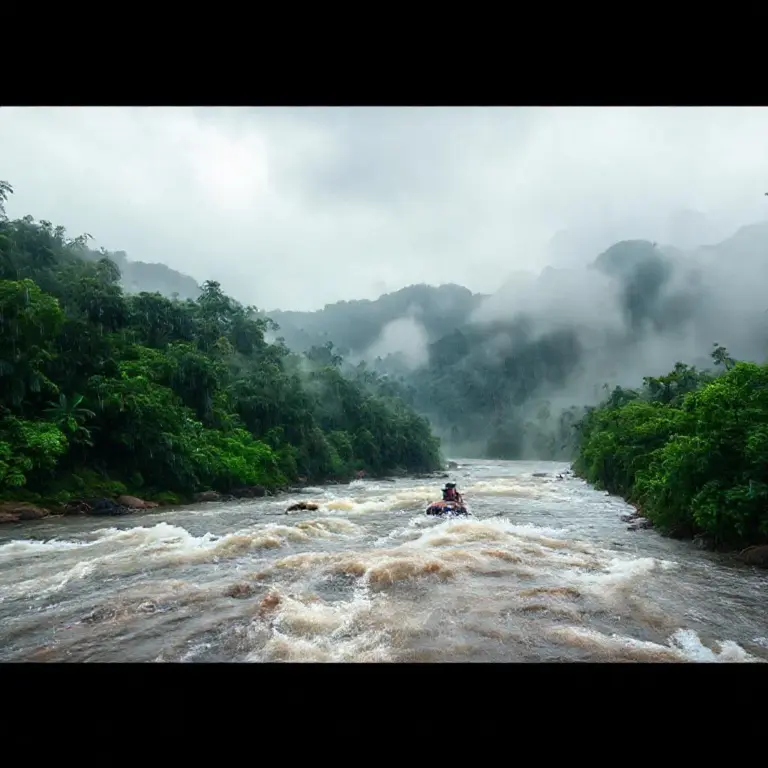
To give you a visual sense of the power involved, here is a look at what rafting the Mae Taeng River looks like when the water is running high:
Location Overview: Getting to the Mae Taeng River
The Mae Taeng River is located north of Chiang Mai city, generally requiring a 1 to 1.5-hour drive from the old city center, depending on the exact put-in point. Most tour packages include round-trip transportation, which is highly recommended given the remote nature of the launch sites.
For reference, the primary operational area is near the Mae Taeng district.
คำถามที่พบบ่อย (FAQ)
Here are answers to common queries regarding wet season rafting in Northern Thailand.
1. Is rafting safe during the Thai monsoon season?
Yes, provided you use a reputable, licensed operator. Safety protocols are significantly tightened during high water, and trips are immediately canceled if weather conditions pose an unacceptable risk. The excitement comes from the high volume, not from reckless operation.
2. How much rain is too much rain for rafting?
Operators focus more on the river’s flow rate (volume) than the current rainfall. If heavy, continuous rain causes the flow to exceed Class IV+ or approaches dangerous flood levels, operators will postpone the trip, usually offering a reschedule or refund. You will rarely be allowed to raft if the conditions are genuinely unsafe.
3. Do I need prior rafting experience to go during the wet season?
While some operators cater to beginners even in the wet season (by using slightly lower sections or managing flows), the peak months (Aug/Sept) are best suited for those with some physical fitness and a desire for true white-water action. Always confirm the minimum experience level required when booking.
4. How cold will the water be in the rain?
The water temperature in Northern Thailand remains relatively warm year-round, typically ranging from 22°C to 26°C (72°F to 79°F). While the ambient air temperature might feel cooler due to cloud cover and rain, the water itself is generally comfortable for immersion, though you will get chilled quickly after exiting the raft.
5. What happens if the river is too low during the wet season?
This is highly unlikely during July through September. If an unusually dry spell occurs, operators will pivot to alternative activities like kayaking or tubing on calmer sections, or they may offer a different adventure activity entirely. Always confirm their contingency plan.
References
For further reading on regional climate and adventure tourism regulations:
By understanding the patterns outlined here, you are well-equipped to plan your thrilling journey and enjoy the most action-packed season on the Mae Taeng River. Happy rafting!
- Whitewater Rafting on the Mae Taeng River, Chiang Mai: The Ultimate Wet-Season Guide to Safety, Routes, and Local Experience
- Choosing the Right Mae Taeng Rafting Route and Operator (class rapids, trip lengths, safety standards, eco-friendly operators)
- What to Pack and How to Prepare for Wet-Season Rafting in Chiang Mai (gear, clothing, fitness, health & safety tips)