Sustainable Travel in Thailand: How to Minimize Your Impact and Explore Responsibly
- Sustainable Travel in Thailand: How to Minimize Your Impact and Explore Responsibly
- Understanding Sustainable Travel in Thailand
- How to Minimize Your Environmental Impact
- Supporting Local Communities and Culture
- Planning Your Responsible Trip
- คำถามที่พบบ่อย (FAQ)
- What is the most important thing to remember for Sustainable Travel in Thailand?
- Are elephant rides sustainable?
- How can I support the local Thai economy?
Thailand is renowned for its breathtaking islands, vibrant culture, and bustling cities. However, the popularity of the Land of Smiles brings significant environmental and social challenges. Engaging in Sustainable Travel in Thailand is no longer just an option; it is a necessity to preserve the natural beauty and cultural integrity of this incredible destination for future generations. By making conscious choices, you can ensure your visit contributes positively to the places you explore.
Understanding Sustainable Travel in Thailand
Sustainable tourism is about balancing the needs of the tourist, the host community, and the environment. In Thailand, this means moving beyond the typical ‘tourist trail’ and seeking authentic, low-impact experiences. Whether you are trekking in the lush jungles of the north or diving in the pristine waters of the south, your actions matter. Embracing eco-conscious habits helps reduce plastic waste, conserve water, and respect local wildlife.
How to Minimize Your Environmental Impact
The first step to responsible tourism is waste management. Thailand has made strides in reducing single-use plastics, but the challenge remains significant. Carry a reusable water bottle and a cloth shopping bag. Refuse plastic straws and cutlery whenever possible. Furthermore, when visiting protected marine parks, choose reef-safe sunscreen to prevent chemical damage to delicate coral ecosystems.
Supporting Local Communities and Culture
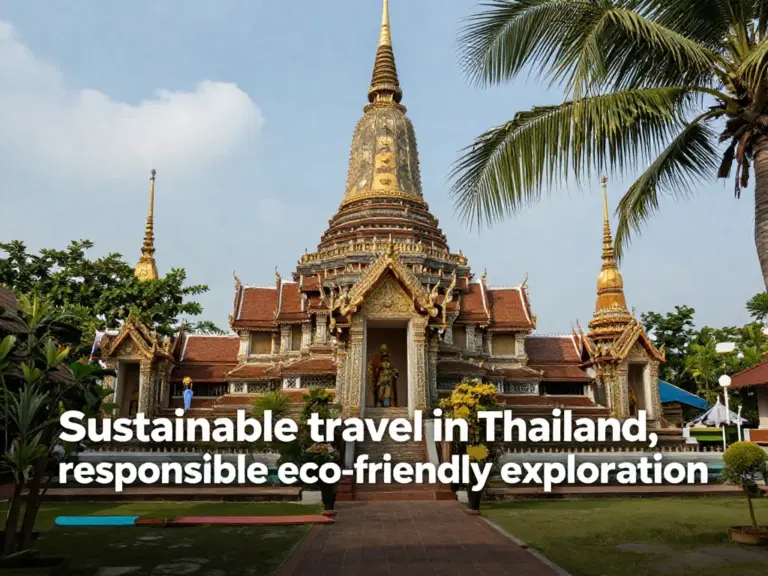
Responsible exploration extends to the social fabric of Thailand. Respecting cultural norms is paramount. Dress modestly when visiting temples—covering your shoulders and knees is a sign of respect. Support local artisans by purchasing handicrafts directly from village cooperatives instead of mass-produced souvenirs. Engaging with local guides provides you with deeper insights into Thai history and traditions while providing sustainable livelihoods for residents.
Recommended Eco-Friendly Activities
- Visit ethical elephant sanctuaries that focus on observation rather than riding.
- Participate in community-based tourism programs in rural villages.
- Rent a bicycle to explore historic sites like Ayutthaya or Sukhothai instead of motorized transport.
Planning Your Responsible Trip
When planning your itinerary, consider traveling during the shoulder season to reduce strain on popular hotspots. Opt for trains or buses over short-haul domestic flights when possible to lower your carbon footprint. Many areas in Thailand now offer eco-lodges that utilize solar energy and water recycling systems. Choosing these accommodations is a simple way to align your stay with your values.