Why Sustainable Travel Matters in Thailand: Understanding Environmental, Social, and Economic Impacts
- Why Sustainable Travel Matters in Thailand: Understanding Environmental, Social, and Economic Impacts
- The Environmental Imperative: Protecting Thailand’s Natural Wonders
- Social Harmony: Empowering Local Communities and Preserving Culture
- Economic Resilience: Long-Term Benefits for Thailand
- How Travelers Can Make a Difference
- คำถามที่พบบ่อย (FAQ)
- What does “sustainable travel” mean in the context of Thailand?
- How does mass tourism negatively affect Thailand’s environment?
- What are the social benefits of sustainable travel for Thai communities?
- How can I find eco-friendly accommodations in Thailand?
- Is it possible to have a truly sustainable elephant experience in Thailand?
- References
Thailand, the “Land of Smiles,” captivates millions with its pristine beaches, lush jungles, vibrant culture, and delicious cuisine. However, the immense popularity of this Southeast Asian gem also brings significant challenges. As tourists flock to its shores and cities, the need for sustainable travel in Thailand becomes increasingly paramount. This article delves into the critical environmental, social, and economic impacts of tourism, highlighting why responsible practices are not just a trend, but a necessity for preserving Thailand’s unique charm for generations to come.
The Environmental Imperative: Protecting Thailand’s Natural Wonders
Thailand’s natural beauty is its greatest asset, drawing visitors from across the globe. From the coral reefs of the Andaman Sea to the ancient rainforests of the north, these ecosystems are delicate and vulnerable. Unchecked tourism can lead to irreversible damage, making environmental protection a cornerstone of sustainable travel.
Biodiversity and Ecosystems at Risk
The sheer volume of tourists can place immense pressure on fragile ecosystems. Coral reefs, vital marine habitats, suffer from anchor damage, sunscreen chemicals, and irresponsible diving practices. Wildlife, such as elephants, tigers, and various bird species, face habitat loss and disturbance from human encroachment and unethical animal tourism. Sustainable travel initiatives focus on protecting these sensitive areas, often through regulated access, conservation projects, and educating visitors about responsible interactions with nature. [1]
Plastic Pollution and Waste Management
A significant challenge, particularly in popular destinations like Phuket and Koh Phi Phi, is waste management. The influx of single-use plastics from drinks, snacks, and toiletries overwhelms local infrastructure, leading to polluted beaches and marine environments. Sustainable tourism encourages travelers and businesses to reduce plastic consumption, recycle, and support local clean-up efforts. [9]
Climate Change and Coastal Erosion
Thailand’s long coastline and numerous islands are highly susceptible to the effects of climate change, including rising sea levels and increased frequency of extreme weather events. Tourism’s carbon footprint, largely from international flights and energy-intensive resorts, contributes to this global crisis. Sustainable practices aim to reduce energy consumption, promote renewable energy sources, and support coastal protection projects. [6]
Conservation Efforts and Eco-Friendly Practices
Many organizations and local communities are actively engaged in conservation. This includes marine park closures to allow ecosystems to recover, reforestation projects (like mangrove planting), and the development of eco-lodges that minimize environmental impact. Travelers can contribute by choosing operators committed to these principles. [8]
Social Harmony: Empowering Local Communities and Preserving Culture
Beyond the environment, tourism profoundly impacts the social fabric of Thailand. Sustainable travel seeks to ensure that tourism benefits local people and respects their cultural heritage, rather than eroding it.
Supporting Local Livelihoods
While tourism creates jobs, these are not always stable or well-paying. Sustainable tourism channels economic benefits directly to local communities by encouraging travelers to stay in locally-owned guesthouses, eat at local restaurants, and purchase handicrafts from local artisans. This empowers residents and reduces economic leakage to large, foreign-owned corporations. [3]
Cultural Preservation and Respect
Thailand’s rich cultural heritage, from its ancient temples to its traditional festivals, is a major draw. However, over-commercialization and a lack of respect from tourists can dilute or distort these traditions. Sustainable travel promotes cultural exchange, encouraging visitors to learn about and engage with local customs respectfully, supporting authentic experiences rather than staged performances. [10]
Over-tourism and Community Impact
In popular spots, over-tourism can lead to crowded public spaces, strained resources (like water and housing), and an increase in living costs for locals. This can displace residents and diminish their quality of life. Sustainable approaches involve promoting lesser-known destinations, managing visitor numbers, and developing infrastructure that benefits both tourists and residents. [10]
Promoting Authentic Experiences
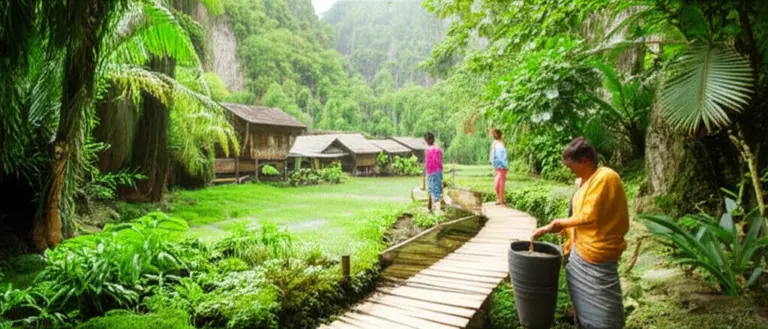
Community-based tourism (CBT) projects are excellent examples of sustainable travel. These initiatives allow visitors to stay in local villages, participate in daily life, and learn directly from residents, providing immersive and meaningful experiences that directly support the host community. [3]
Economic Resilience: Long-Term Benefits for Thailand
While tourism is a major economic driver for Thailand, a reliance on mass tourism can be volatile. Sustainable tourism aims to build a more resilient and equitable economic model.
Diversifying the Tourism Economy
Moving beyond the “sun, sand, and sex” image, sustainable tourism promotes diverse offerings such as wellness retreats, agricultural tourism, cultural immersion programs, and responsible adventure travel. This diversification attracts a broader range of visitors and reduces dependence on a single type of tourism. [5]
Fair Wages and Ethical Employment
Sustainable businesses prioritize fair labor practices, safe working conditions, and equitable pay for their employees. This contrasts with some parts of the tourism industry where workers, particularly migrants, may face exploitation. By choosing ethical operators, travelers support a more just tourism economy. [3]
Investment in Sustainable Infrastructure
Sustainable tourism encourages investment in green infrastructure, such as energy-efficient buildings, public transportation, and advanced waste and water treatment facilities. These investments not only benefit tourists but also improve the quality of life for local residents and contribute to long-term environmental health. [6]
How Travelers Can Make a Difference
Every traveler holds the power to contribute to sustainable travel in Thailand. Your choices can have a lasting positive impact.
Choose Eco-Friendly Accommodations
Look for hotels and resorts that have certifications for sustainability, implement waste reduction programs, conserve water and energy, and support local communities. Many establishments now proudly display their green initiatives. [2]
Support Local Businesses
Opt for locally owned restaurants, shops, and tour operators. This ensures that your money directly benefits the Thai economy and its people. Engage with local guides who can offer deeper insights into their culture and environment.
Respect Local Culture and Traditions
Dress modestly when visiting temples, ask permission before taking photos of people, and learn a few basic Thai phrases. Show respect for local customs and traditions, and avoid engaging in activities that exploit animals or human beings.
Reduce Waste and Conserve Resources
Carry a reusable water bottle and shopping bag. Minimize your energy consumption by turning off lights and air conditioning when leaving your room. Participate in beach clean-ups if opportunities arise.
In conclusion, sustainable travel in Thailand is not merely a buzzword; it’s a responsible approach to experiencing this magnificent country. By understanding and mitigating the environmental, social, and economic impacts of our visits, we can help ensure that Thailand remains a vibrant, beautiful, and culturally rich destination for all who follow. Your conscious choices as a traveler contribute directly to a better future for Thailand.
คำถามที่พบบ่อย (FAQ)
References
- Tourism Authority of Thailand – Sustainable Tourism
- Ultimate Eco-friendly Travel Guide to Thailand – YouTube
- Thailand’s Eco-Tourism: The Sustainable Adventure You NEED to Experience! – YouTube
- Green and Eco Tourism Thailand – YouTube
- Breaking Down Thailand’s Tourism | WION Originals – YouTube
- Eco-tourism in Thailand | Global Ideas – YouTube
- THAILAND’S ECO DREAM (MUST STAY on KOH YAO NOI) – YouTube
- BBC Travel Show – Eco tourism in Thailand (week 27) – YouTube
- Phuket’s Waste Crisis: Can Sustainable Tourism Save the Island? | DRM News – YouTube
- Why Thailand’s Tourism is a Double Edged Sword – YouTube