- Navigating Thailand’s healthcare system: finding hospitals, clinics, medical insurance for tourists/expats, and emergency procedures
Thailand is a world-renowned destination, but like any international trip, preparing for unexpected health issues is crucial. This comprehensive guide is designed to help you, whether you are a short-term visitor or a long-term expat, understand and navigate the Thai medical landscape. Understanding Thailand healthcare for tourists and residents ensures your trip remains safe and enjoyable. From world-class private hospitals to essential emergency numbers, we cover everything you need to know to secure peace of mind during your stay.
The Quality of Care: Public vs. Private Hospitals
Thailand operates a dual healthcare system: public and private. The quality difference is significant, particularly for foreigners seeking care. Your choice will largely depend on your budget, insurance coverage, and the urgency of the situation.
Private Hospitals: The Tourist/Expat Standard
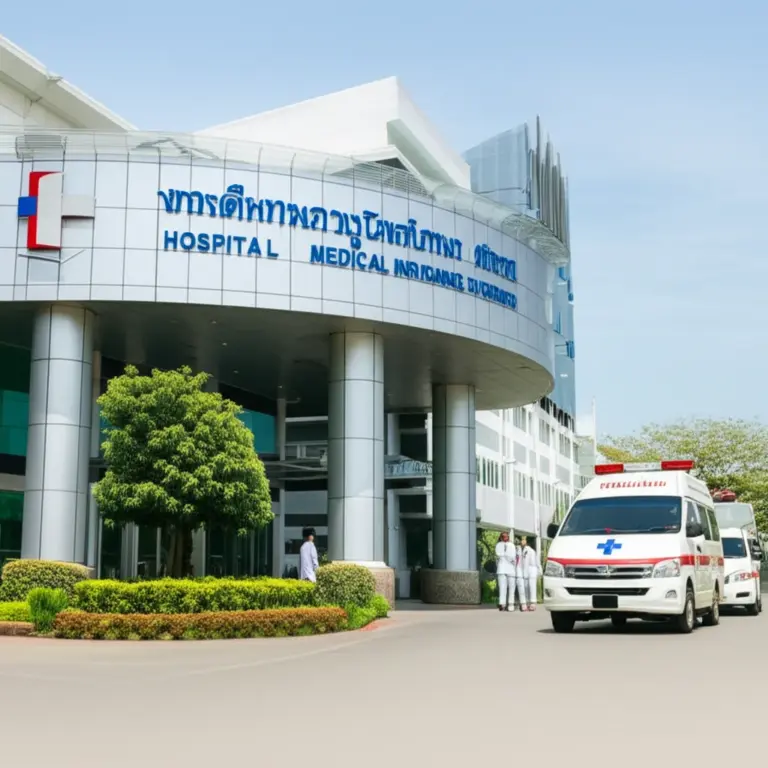
Private hospitals in Thailand, particularly in major cities like Bangkok, Chiang Mai, and Phuket, are often considered world-class. Many are accredited by international bodies like the Joint Commission International (JCI) and cater specifically to medical tourism. They offer state-of-the-art equipment, minimal wait times, English-speaking staff (including doctors), and hotel-like amenities. While the service is exceptional, the costs can be comparable to Western prices, making comprehensive travel or expat health insurance mandatory.
Public Hospitals: Affordable but Slower
Public hospitals are significantly cheaper and are the backbone of the Thai healthcare system for citizens. However, foreigners will face long wait times, fewer English-speaking staff, and more basic facilities. For minor issues, a public hospital clinic might suffice, but for serious or complex treatment, private facilities are highly recommended for non-Thai speakers.
Securing Your Health: Medical Insurance Essentials
Insurance is not optional—it is a lifeline. Thailand’s private healthcare system will not provide service without upfront payment or a letter of guarantee from an insurer. This is the most crucial step when planning for Thailand healthcare for tourists.
Travel Insurance for Tourists
Short-term visitors must purchase robust travel insurance that includes sufficient medical coverage and, critically, emergency medical evacuation. Standard policies should cover at least USD $100,000 for medical expenses. Ensure your policy covers activities you plan to undertake, such as scuba diving or motorbiking, as these are often exclusions.
Comprehensive Insurance for Expats
Expats residing in Thailand should invest in international private medical insurance (IPMI). Thai visa requirements often mandate a minimum level of coverage. IPMI offers direct billing with major private hospitals, eliminating the need for large upfront payments, and provides more comprehensive coverage for chronic conditions and long-term care.
Finding Care: Hospitals, Clinics, and Pharmacies
Knowing where to go for different levels of care saves time and stress. For minor ailments, a pharmacy or local clinic is often the fastest and most cost-effective solution.
Major International Hospitals
The following hospitals are highly regarded and frequently used by the international community:
- Bangkok: Bumrungrad International Hospital, Bangkok Hospital, Samitivej Hospital.
- Chiang Mai: Chiang Mai Ram Hospital, Bangkok Hospital Chiang Mai.
- Phuket: Bangkok Hospital Phuket, Phuket International Hospital.
You can find many of these top-tier hospitals clustered in city centers, offering seamless service.
| Facility Type | Best For | Approx. Cost (Consultation) |
|---|---|---|
| International Private Hospital | Major emergencies, specialist care, complex procedures. | 2,000 – 5,000 THB+ |
| Local Clinic (คลินิก) | Common cold, minor injuries, follow-up appointments. | 300 – 1,000 THB |
| Pharmacy (ร้านขายยา) | OTC medication, basic advice (many pharmacists are highly knowledgeable). | Varies (very low) |
To visualize the location of international hospitals, you can use a map service. For instance, here is a general location of a well-known hospital area in Bangkok:
For a deeper look into the experience of receiving medical care in Thailand, watch this video which details a visit to a modern Thai hospital and discusses the process:
What to Do in a Medical Emergency (Crucial Section)
In a genuine life-threatening emergency, immediate action is paramount. However, unlike in many Western countries, calling an ambulance in Thailand does not guarantee rapid response or English-speaking services, especially outside of major metropolitan areas.
Emergency Contact Numbers and Procedures
- Call 1669: This is the national emergency medical service number. Expect possible language barriers; try to speak slowly and clearly, or better yet, have a Thai speaker make the call.
- Call Your Insurance Provider: If conscious and able, call the 24/7 emergency hotline provided by your travel or expat insurance. They can coordinate with a hospital directly and arrange for a guarantee of payment.
- Go Directly to a Private Hospital: For non-life-threatening but urgent situations (e.g., broken bones), taking a taxi directly to the nearest major private hospital is often faster than waiting for a public ambulance.
- Tourist Police: For assistance, especially if you have communication issues or are involved in an accident, call the Tourist Police at 1155. They often have better English skills than the standard emergency services.
Ambulance Services and Language Barriers
Public ambulance services (1669) will typically transport you to the nearest public hospital. If you require transport to a specific private hospital, you must request a private ambulance service, which can be arranged by calling the private hospital directly. Always be prepared for communication challenges by having key Thai phrases or a translation app ready. The quality of pre-hospital care can vary significantly, so getting to the hospital quickly is the priority.
Conclusion: Travel Smart, Stay Safe
Thailand offers a high standard of medical care, especially within its private sector. By securing adequate medical insurance, knowing the difference between public and private facilities, and having a clear plan for emergencies, you can mitigate almost all health risks associated with your travel or residency. Enjoy the Land of Smiles with confidence, knowing you are prepared for any eventuality.
คำถามที่พบบ่อย (FAQ)
Do I need medical insurance to enter Thailand?
While not always a requirement for a standard tourist visa, having comprehensive travel medical insurance is strongly recommended. For long-term visas (e.g., Non-Immigrant O-A or LTR), medical insurance with a minimum coverage for outpatient and inpatient care is mandatory and must be presented as part of the visa application process.
What is the best way to find an English-speaking doctor in Thailand?
The easiest way is to visit any major private or international hospital (like Bumrungrad or Bangkok Hospital). All staff, from receptionists to specialists, are required to speak English. For minor issues, look for clinics in expat areas; they often advertise English-speaking services.
Is it safe to buy prescription medication from Thai pharmacies?
Generally, yes. Pharmacies in Thailand are well-regulated. Many medications that require a prescription in Western countries (like certain antibiotics or birth control) can be purchased over the counter. Always use reputable chains (like Boots or Watsons) or a large, independent pharmacy with a licensed pharmacist present.
What is the emergency number in Thailand?
The primary emergency medical services number is 1669. For police assistance, which may have better English speakers, call the Tourist Police at 1155. For fire emergencies, the number is 199.
References
Thailand Ministry of Public Health
Joint Commission International (JCI) Accredited Organizations
Travel Insurance Safety Guidelines
- Is Thailand Safe? A Guide to Health for Travelers and Expats
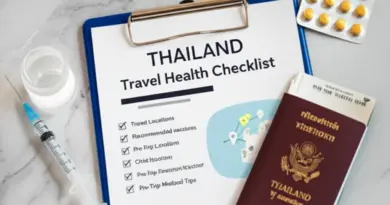
- Health risks and vaccination checklist for Thailand: recommended vaccines, where to get them, and pre-travel medicine tips
- Common illnesses and how to prevent them in Thailand: food and water safety, mosquito-borne diseases (dengue, malaria, Zika), and sun-related issues