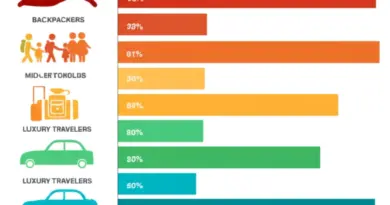
Thailand, the Land of Smiles, captivates millions with its pristine beaches, lush jungles, vibrant culture, and ancient temples. However, with its immense popularity, the environmental and social impacts of tourism have become increasingly apparent. For conscious travelers, embracing eco-friendly travel Thailand is no longer just an option but a necessity. This guide will walk you through planning a low-impact trip, focusing on how to choose sustainable accommodations, responsible transportation, and ethical tour operators, ensuring your adventure contributes positively to this beautiful country.
Understanding Eco-Friendly Travel in Thailand
- Understanding Eco-Friendly Travel in Thailand
- Choosing Eco-Friendly Accommodations
- Sustainable Transportation Options
- Identifying Responsible Tour Operators
- Practical Tips for a Greener Journey
- คำถามที่พบบ่อย (FAQ)
- What does “low-impact trip” mean in the context of Thailand tourism?
- How can I identify a truly eco-friendly accommodation in Thailand?
- What are the best sustainable transportation options for eco-friendly travel in Thailand?
- How can I ensure I’m choosing a responsible tour operator in Thailand?
- References
Eco-friendly travel, often referred to as sustainable or responsible tourism, is about minimizing your negative impact and maximizing your positive contributions to the environment and local communities. In a country as biodiverse and culturally rich as Thailand, this approach is vital for preserving its allure for future generations. It involves making conscious choices at every stage of your journey, from where you sleep to how you explore. [19]
What is a Low-Impact Trip?
A low-impact trip aims to reduce your environmental footprint, respect local cultures, and support local economies. This means conserving resources, minimizing waste, supporting ethical businesses, and engaging in meaningful cultural exchanges. It’s about being a guest, not just a tourist, and leaving a place better than you found it. [19]
Why is it Crucial for Thailand Tourism?
Thailand’s natural wonders, from its coral reefs to its rainforests, are delicate ecosystems facing pressure from mass tourism. Issues like plastic pollution, habitat destruction, and cultural commodification are real concerns. By choosing sustainable tourism Thailand, travelers can help mitigate these problems, support conservation efforts, and ensure that tourism benefits the Thai people directly. [20, 22]
Choosing Eco-Friendly Accommodations
Your choice of accommodation significantly impacts your trip’s footprint. Fortunately, Thailand offers an increasing number of green hotels Thailand and eco-resorts committed to sustainability. [2, 3, 8, 11, 23]
Look for Certifications and Green Practices
When selecting a place to stay, prioritize establishments with recognized eco-certifications or clear commitments to green practices. Look for:
- Energy Efficiency: Resorts utilizing solar panels, energy-saving appliances, and smart lighting systems. The Bangkok Tree House, for example, uses solar energy and rainwater harvesting. [23, 24]
- Waste Reduction: Hotels with comprehensive recycling programs, composting, and efforts to reduce single-use plastics. Many eco-resorts produce their own bottled water to cut down on plastic waste. [2, 3, 24]
- Water Conservation: Practices like greywater recycling for landscaping and efficient water fixtures. [3]
- Local Sourcing: Accommodations that source food locally, often from their own organic gardens, supporting local farmers and reducing transportation emissions. [3, 21]
- Certifications: Organizations like EarthCheck, the Thai Green Building Institute, and the Green Hotel project certify sustainable accommodations. The Travelife Certified status is also a strong indicator of a resort’s commitment to sustainability. [6, 20]
Examples of highly rated eco-resorts Thailand include The Tongsai Bay in Koh Samui, Keemala in Phuket, Soneva Kiri in Koh Kood, and Zeavola Resort in Phi Phi Islands, known for their deep environmental integration. [3, 8, 11, 23]
Support Local and Community-Based Stays
Opting for guesthouses, homestays, or community-based lodges allows you to immerse yourself in local culture and directly support local families. Places like Anurak Community Lodge near Khao Sok National Park or Lisu Lodge in Chiang Mai offer unique experiences while channeling revenue directly into the community. [3, 21]
Sustainable Transportation Options
Transportation is a major contributor to a trip’s carbon footprint. Making mindful choices can significantly reduce your environmental impact.
Minimizing Your Carbon Footprint
While long-haul flights are often unavoidable, you can minimize your carbon footprint travel within Thailand:
- Trains and Buses: Utilize Thailand’s extensive public transport network. Trains offer a scenic and often more eco-friendly way to travel between cities, while long-distance buses are an affordable option.
- Walking and Cycling: For short distances, walking or renting a bicycle is the best way to explore and connect with your surroundings. Many destinations, like Bangkok’s Green Lung (Bang Krachao), are perfect for cycling. [4, 20]
- Electric Vehicles: If renting a car, consider electric vehicle options where available, or car-sharing services to reduce individual emissions. [20, 24]
- Carbon Offset Schemes: For flights, consider investing in carbon offset programs to mitigate the emissions from your air travel. [22, 24]
Local Transport: A Cultural Immersion
Embrace local modes of transport like songthaews (shared taxis), tuk-tuks (for short distances), and longtail boats (for island hopping). Not only are these often more sustainable than private cars, but they also offer an authentic Thai experience and support local drivers. Kayaking through Bangkok’s old klongs is another distinctive and eco-friendly way to explore. [23]
Identifying Responsible Tour Operators
A responsible tour operator can make or break the sustainability of your trip. They are key to ensuring your activities benefit, rather than harm, the local environment and population.
Prioritizing Ethical Practices
Look for ethical tour operators Thailand that demonstrate a strong commitment to:
- Fair Labor Practices: Ensuring guides and staff are paid fair wages and work in safe conditions.
- Wildlife Protection: Promoting ethical wildlife encounters, such as observing animals in their natural habitats from a respectful distance, and avoiding activities like elephant riding or tiger petting. Organizations like Elephant Hills are known for their responsible elephant experiences. [19]
- Environmental Responsibility: Implementing ‘Leave No Trace’ principles, minimizing waste on tours, and supporting conservation projects.
- Certifications: Some operators are Travelife Certified, indicating adherence to international sustainability standards. Discovery Travel in Khao Lak is an example. [6]
Companies like Hivesters and Nutty’s Adventures focus on community-based tourism and preserving authentic Thai culture. Eco Tours Chiang Mai offers immersive experiences that contribute to a sustainable future. [5, 18]
Supporting Local Economies
Responsible operators prioritize local employment and procure goods and services from local businesses. This ensures that tourism revenue stays within the community, fostering economic development and empowering local residents. [19, 22]
Practical Tips for a Greener Journey
Beyond major choices, small daily actions contribute to your overall low-impact trip.
Pack Light and Smart
Lighter luggage means less fuel consumption for transport. Pack versatile clothing, reusable items like water bottles and shopping bags, and solid toiletries to reduce plastic. [20, 22]
Reduce Waste
Carry a reusable water bottle and refill it frequently to avoid buying single-use plastic bottles. Say no to plastic straws and bags. Dispose of waste properly and recycle whenever possible. The 3Rs principle (Reduce, Reuse, Recycle) is crucial. [20]
Respect Local Culture and Environment
Learn basic Thai phrases, dress modestly when visiting temples, and ask permission before photographing people. Support local artisans and businesses. Stick to designated paths in natural areas and never disturb wildlife or take souvenirs from natural environments. [22]
Explore Eco-Friendly Thailand!
Watch this video to gain more insights into sustainable tourism and eco-friendly travel Thailand practices.
By thoughtfully planning your low-impact trip, you can enjoy the magic of Thailand while contributing to its long-term preservation. Every conscious choice you make helps safeguard this incredible destination for generations to come. Your journey can be a powerful force for good.
คำถามที่พบบ่อย (FAQ)
References
- Eco-friendly hotels in Thailand: 10 stays for green tourism – Asia King Travel
- Top 10 Eco Hotels in Thailand for Conscious Travelers – IMPT.io
- Sustainable Thailand Journey: Sustainable Tourism – YouTube
- 7 Great Sustainable Tour Companies in Thailand
- Sustainability – Discovery Travel – Khao Lak
- 18 INCREDIBLE Eco Resorts in Thailand – Every Steph
- Ultimate Eco-friendly Travel Guide to Thailand – YouTube
- Eco Tours Chiang Mai
- Sustainable Travel In Thailand For 2024 And Beyond – Elephant Hills
- Leave No Trace: Six Tips for Eco-Friendly Travel in Thailand
- 5 Ways On How to Be A Sustainable Traveler in Thailand – Asian Oasis
- Eco-Friendly Travel in Thailand for Backpackers [2025] – The Travelling Wellness Girl
- Essential travel guide to enjoy sustainable tourism in Thailand
- The Future of Sustainable Tourism in Thailand: Key Trends to Watch – Sea Fan Car Rental