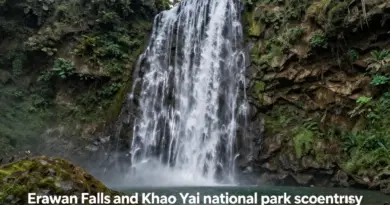
Why Visit Thailand’s National Parks? Top Attractions, Best Seasons, and How to Choose the Right Park for Your Interests
- Why Visit Thailand’s National Parks? Top Attractions, Best Seasons, and How to Choose the Right Park for Your Interests
Thailand, often called the “Land of Smiles,” is globally renowned for its vibrant culture, bustling markets, and stunning coastline. However, for travelers seeking authentic natural beauty and unparalleled biodiversity, the true heart of the kingdom lies within its protected areas. If you are planning a trip focused on eco-tourism and natural exploration, understanding Thailand’s National Parks is essential. These parks—ranging from misty mountain ranges in the north to pristine coral reefs in the south—offer an experience far beyond the typical tourist trail.
The Irresistible Appeal of Thailand’s National Parks
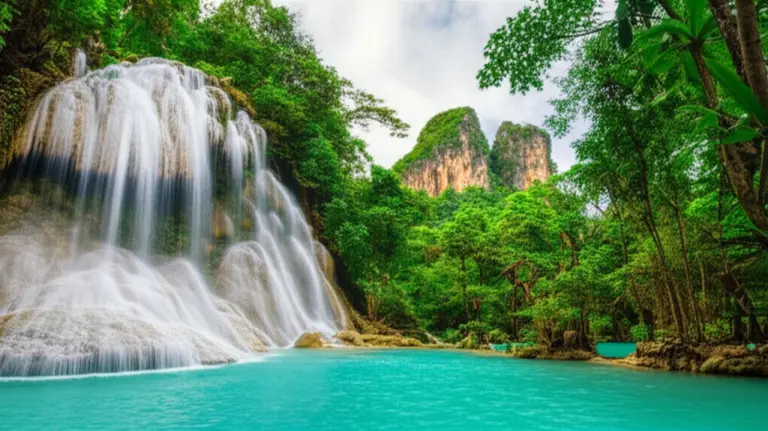
Visiting Thailand’s National Parks provides a crucial opportunity to witness the country’s ecological diversity firsthand. Unlike the crowded beaches and city centers, these parks offer tranquility and adventure. Here, you can engage in responsible tourism that supports local communities and conservation efforts. The variety is staggering: one day you might be hiking through dense rainforests to discover hidden waterfalls, and the next you could be diving amongst kaleidoscopic coral gardens.
Why Choose Nature Over City?
- **Wildlife Spotting:** Chances to see gibbons, hornbills, exotic reptiles, and sometimes even wild elephants.
- **Unspoiled Scenery:** Access to breathtaking landscapes, including towering limestone karsts, crystal-clear lakes, and untouched islands.
- **Adventure Activities:** Opportunities for trekking, kayaking, caving, snorkeling, and birdwatching.
Unveiling Thailand’s Top National Park Attractions
Northern Wonders: Doi Inthanon and the Peaks
Located in Chiang Mai, Doi Inthanon National Park hosts Thailand’s highest peak (2,565 meters). This park is characterized by cool temperatures, misty cloud forests, and stunning pagodas dedicated to the King and Queen. It is a birdwatcher’s paradise, home to over 300 species. The famous Kew Mae Pan nature trail offers spectacular sunrise views.
Southern Gems: Marine Sanctuaries
The Andaman Sea is home to world-class diving destinations. Mu Ko Similan National Park and Mu Ko Surin National Park are consistently ranked among the top ten dive sites globally, famous for their granite boulders, vibrant soft corals, and clear visibility. These parks are essential habitats for whale sharks, manta rays, and sea turtles.
Central Escapes: Khao Yai and Khao Sok
Khao Yai National Park, a UNESCO World Heritage site near Bangkok, is one of the most accessible and well-maintained parks. It is known for Haew Suwat Waterfall (featured in the movie *The Beach*) and its large population of wild elephants and hornbills. Meanwhile, Khao Sok National Park in the south offers a completely different experience with its stunning Cheow Lan Lake, where limestone karsts rise dramatically from the emerald water. Staying in a floating bungalow here is a bucket-list experience.
Timing Your Adventure: Best Seasons to Visit
| Season | Months | Best For | Considerations |
|---|---|---|---|
| Peak Dry Season | November – February | Trekking, diving, clear skies. | Highest tourist crowds and accommodation prices. Ideal for marine parks. |
| Hot Season | March – May | Fewer crowds, good diving (early months). | Temperatures can exceed 40°C. Many marine parks begin closure in mid-May. |
| Wet/Green Season | June – October | Lush landscapes, spectacular waterfalls, low prices. | Hiking trails can be slippery. Marine parks are often closed. Great for Khao Sok and Erawan Falls. |
The ideal time to visit most of Thailand’s National Parks is during the Peak Dry Season (November to February). This period offers comfortable temperatures for hiking in the north and the best visibility for diving in the south. However, the Green Season is fantastic if your priority is viewing powerful waterfalls and lush, vibrant jungle landscapes, especially in parks like Erawan or Khao Yai.
How to Choose the Right Park for Your Interests
Selecting the perfect national park depends entirely on your travel style and priorities. Thailand offers specialized parks for every type of adventurer.
For the Wildlife Enthusiast
Recommendation: Khao Yai National Park. Its proximity to Bangkok and well-managed trails make it the best place to spot elephants, deer, and diverse birdlife.
For the Beach and Dive Lover
Recommendation: Mu Ko Similan National Park. Famous for its clear water, granite formations, and incredible abundance of marine life. Note seasonal closures.
For the Trekker and Culture Seeker
Recommendation: Doi Inthanon or Phu Kradueng. Doi Inthanon combines challenging hikes with cultural stops, while Phu Kradueng (Loei Province) offers steep climbs rewarded by stunning plateau views.
Planning Your Eco-Friendly Visit
Responsible tourism is paramount when visiting protected areas. Always follow park regulations, especially regarding waste disposal and interacting with wildlife. Support local businesses that adhere to sustainable practices and consider hiring guides recommended by the park service.
คำถามที่พบบ่อย (FAQ)
References
Department of National Parks, Wildlife and Plant Conservation (DNP)
UNESCO World Heritage Centre
- Exploring Thailand’s National Parks: The Ultimate Guide for Nature Lovers to Plan, Explore, and Preserve
- How to Plan Your Trip: Permits, Transportation, Accommodation, Guided Tours, and Packing Checklist for National Park Adventures
- What to Do Inside the Parks: Hiking Trails, Wildlife Watching, Waterfalls, Snorkeling & Diving Spots, and Responsible Photography Tips