What Bike to Choose and How to Prepare: Rentals, Gear, Maintenance, Fueling, and Packing Lists for Long-Distance Riding in Thailand
- What Bike to Choose and How to Prepare: Rentals, Gear, Maintenance, Fueling, and Packing Lists for Long-Distance Riding in Thailand
Thailand, with its misty mountains in the North and stunning coastal routes in the South, offers some of the world’s most rewarding experiences for motorcycle enthusiasts. Preparing for Long-Distance Riding in Thailand requires careful planning, not just excitement. This comprehensive guide, tailored for Thailand Tourism visitors, details everything from selecting the right motorcycle to the crucial gear, maintenance checks, and packing lists needed to ensure a safe, comfortable, and unforgettable journey across the Land of Smiles.
Choosing Your Steed: Rentals vs. Purchase
For tourists, renting is almost always the most practical option. Thailand has world-class rental shops, particularly in major hubs like Chiang Mai, Bangkok, and Phuket, offering everything from small scooters to large adventure bikes. Purchasing a bike is only advisable for those planning to stay for many months or years, due to complex registration and resale processes.
Motorcycle Rental Considerations
- Insurance: Standard Thai rental insurance often only covers third-party liability. Seek out reputable dealers offering comprehensive collision damage waiver (CDW) for peace of mind.
- Documentation: Ensure you receive a copy of the green book (registration) and the rental agreement. Keep these documents with you at all times.
- Inspection: Before accepting the bike, thoroughly check the tires (tread depth and pressure), brakes, lights, and chain tension. Take photos of any existing damage.
Best Bikes for Thai Roads
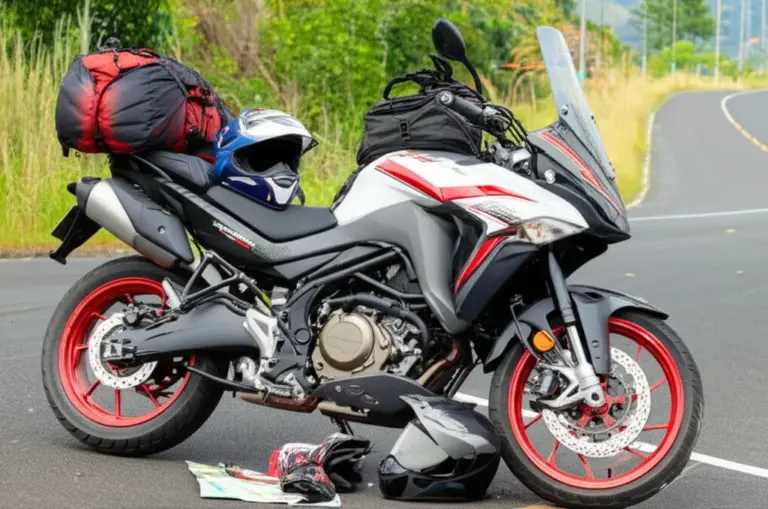
While smaller scooters (125cc-150cc) are excellent for city commuting, they lack the power and stability required for sustained highway speeds and mountain passes. For serious long-distance touring, bikes in the 300cc to 650cc range are ideal. Popular choices include the Honda CB500X, Kawasaki Versys 650, or Royal Enfield Himalayan, offering comfort, reliability, and sufficient ground clearance for varied Thai road conditions.
Essential Gear and Safety First
The climate in Thailand demands specific gear choices. While it is tempting to wear shorts and flip-flops, safety must be the priority. Investing in quality, ventilated gear is crucial for protecting against both accidents and the intense tropical sun.
Must-Have Riding Gear
| Item | Requirement | Reason |
|---|---|---|
| Helmet | Full-face or modular (ECE/DOT certified) | Maximum protection and protection against dust/rain. |
| Jacket & Pants | Mesh or textile with ventilation and armor (CE Level 2) | Protection from abrasion while maximizing airflow. |
| Gloves | Lightweight, armored, and breathable | Protects hands, improves grip, and reduces sun exposure. |
| Boots | Over-the-ankle protection (waterproof optional) | Crucial for ankle stability and protection from engine heat. |
Documentation and Permits
To legally and safely undertake Long-Distance Riding in Thailand, ensure you carry the following:
- International Driving Permit (IDP) with the motorcycle endorsement.
- Original passport (or a certified copy kept separate from the original).
- Bike registration (Green Book copy) and insurance papers.
- Emergency contact information and local embassy details.
Maintenance and Roadside Preparedness
While mechanics are abundant in Thailand, quality control can vary, especially in remote villages. Regular pre-ride checks are essential. If you are renting for an extended period (over 1,000 km), discuss service intervals with the rental company. Always check oil levels, tire pressure, and chain lubrication every morning before setting off. Knowing basic roadside fixes, like patching a tire or adjusting the chain, can save hours of waiting.
Fueling Your Journey (and Yourself)
Fueling the Bike: Gas stations (PTT, Shell, Caltex) are plentiful on major highways and in towns. However, when venturing onto smaller mountain roads (e.g., the Mae Hong Son loop), plan your stops carefully. Most stations accept cash only. In very remote areas, look for roadside vendors selling fuel in glass bottles (often labeled ‘Gasohol 91′ or ’95’). While convenient, this fuel should only be used as an emergency top-up.
Fueling Yourself: Dehydration and heat exhaustion are serious risks. Carry at least 2 liters of water and consider electrolyte supplements. Thai roadside food is generally safe and delicious; look for busy stalls, which indicates high turnover and freshness. Schedule regular breaks (every 90 minutes) to cool down and stretch.
The Ultimate Thailand Motorcycle Packing List
Packing light is key, especially when dealing with unpredictable weather. Use waterproof dry bags and securely strap luggage to the bike. Focus on quick-drying clothing.
Tools and Spares
- Tire repair kit (plugs and CO2 cartridges) or small air pump.
- Chain lube (small bottle) and rag.
- Basic toolkit (adjustable wrench, pliers, screwdrivers, zip ties, duct tape).
- Spare fuses and headlight bulb (if applicable).
Personal Essentials
- Quick-dry clothing and microfiber towel.
- High-SPF waterproof sunscreen and insect repellent (DEET recommended).
- Waterproof phone mount and power bank.
- First-aid kit (including antiseptic wipes, pain relievers, and anti-diarrhea medication).
- Small waterproof rain suit or poncho, even during the dry season.
Successfully navigating a long-distance motorcycle trip in Thailand is a deeply rewarding experience. By selecting the right bike, prioritizing safety gear, and preparing meticulously for maintenance and logistics, you set the stage for an incredible adventure through one of Southeast Asia’s most captivating countries.
คำถามที่พบบ่อย (FAQ)
Is it safe for foreigners to ride motorcycles long distances in Thailand?
Riding can be safe, provided you are an experienced rider, adhere strictly to local traffic laws, and wear proper protective gear. The main risks are other road users and variable road surfaces. Avoid riding at night outside of major cities.
What type of license do I need to rent a big bike in Thailand?
You must have a valid International Driving Permit (IDP) that specifically includes the motorcycle endorsement (A category). Many rental shops will rent smaller bikes without checking, but legally, and for insurance purposes, the IDP is mandatory.
How reliable are Thai gas stations on remote routes?
Major brand gas stations (PTT, Bangchak) are reliable along primary routes. On very remote routes, look for the smaller local stations or roadside shops selling fuel from glass bottles. It is best practice to never let your tank fall below half full in mountainous or sparsely populated regions.
Should I bring my own helmet or rent one?
Always bring your own high-quality helmet. Rental helmets often lack proper safety ratings, may be damaged, and are rarely fitted correctly. Your helmet is the single most important piece of safety gear.
References
- Thailand by Motorbike: The Ultimate Guide to the Mae Hong Son Loop and Southern Coastal Routes
- Planning Your Thailand Motorbike Adventure: Best Time to Go, Permits, and Safety Tips for the Mae Hong Son Loop and Southern Coast
- Route Overviews and Day-by-Day Itineraries: Detailed Maps, Distance, Elevation, and Recommended Stops for the Mae Hong Son Loop vs Southern Coastal Routes