How to Plan Your Rock Climbing Trip to Railay and Krabi: Seasons, Gear, and Safety Tips
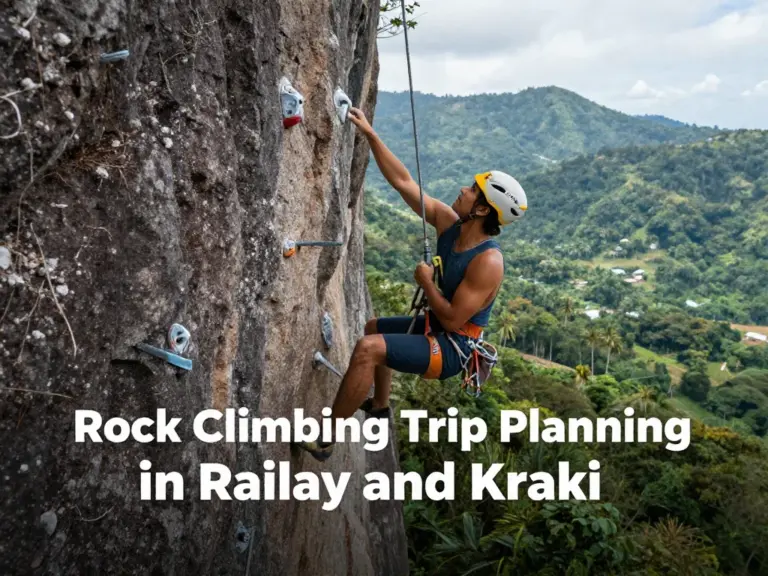
Thailand is world-renowned for its turquoise waters and golden beaches, but for the adventure-seeker, it offers something far more vertical. A rock climbing trip to Railay and Krabi is a pilgrimage for climbers globally, offering access to some of the most spectacular limestone karst formations on the planet. Whether you are a seasoned lead climber or a beginner looking to experience your first outdoor ascent, the Krabi province provides a unique blend of high-adrenaline sport and tropical paradise.
The Best Time for Your Climbing Trip
Timing is everything in Thailand. The climate significantly dictates the quality of your climbing experience. The peak climbing season in Krabi aligns with the dry season, which generally runs from November to April. During these months, you can expect lower humidity, less rainfall, and pleasant, breezy conditions on the crags.
While the shoulder season (late October and May) can offer fewer crowds, the summer months (June to September) bring the monsoon season. Heavy rains can make the limestone slippery and unsafe, and many climbing shops may reduce their operating hours. If you are planning a trip during the peak season, be sure to book your accommodation in Railay well in advance, as it is a highly popular destination.
Essential Climbing Gear and Logistics
Traveling with heavy climbing gear can be cumbersome. Fortunately, the climbing community in Krabi is well-established. You have two primary options: bring your own or rent locally. Most climbers opt to bring their own harness, shoes, and chalk bag, but rent ropes and quickdraws from one of the many reputable climbing schools in Railay or Ao Nang.
| Gear Item | Recommendation |
|---|---|
| Climbing Shoes | Bring your own for comfort and fit. |
| Harness | Personal preference; bring your own. |
| Chalk/Bag | Essential for the humid conditions. |
| Rope/Draws | Readily available for rent locally. |
If you are renting, ensure you inspect the equipment thoroughly. The humid, salty air near the ocean can accelerate the degradation of soft goods. Always verify the condition of the ropes and carabiners before leaving the ground.
Safety Tips for Climbing in Krabi
Safety is paramount when embarking on a rock climbing trip to Railay and Krabi. The limestone here can be sharp, and the environment is vastly different from indoor gyms. First, always be mindful of rockfall, especially after rain. Wear a helmet at all times, both as a climber and a belayer. Second, be aware of the “tide schedule.” Some crags, like those at Phra Nang Beach, can become inaccessible or dangerous during high tide.
Furthermore, always check the “bolts.” While the local climbing community actively maintains the routes, the saline environment causes rapid corrosion. If you see a bolt that looks questionable, report it to one of the local climbing shops immediately. Never trust your life to a piece of hardware that looks compromised.
Planning Your Stay
Railay is the epicenter of climbing in the region. Most climbers choose to stay on Railay East, which is generally more affordable than the luxury resorts on Railay West. If you prefer a more “mainland” vibe with nightlife and easier access to supplies, staying in Ao Nang and taking the long-tail boat to the crags is a popular alternative.
คำถามที่พบบ่อย (FAQ)
- Is it necessary to hire a guide for climbing in Railay?
If you are an experienced lead climber, you can manage on your own. However, hiring a local guide is highly recommended for beginners or if you want to find the best hidden crags and learn about local route nuances. - Can I climb in Krabi if I am a beginner?
Absolutely! Many climbing schools offer “Introduction to Climbing” courses that are perfect for beginners, covering safety basics, knot tying, and belaying. - What is the best way to get to Railay?
You must take a long-tail boat from Ao Nang Beach or Ao Nam Mao pier. There are no roads to Railay. - Are there mosquitoes or other hazards at the crags?
Yes, mosquitoes are common, especially in the jungle approaches. Bring bug spray. Also, be wary of monkeys near the crags; they are known to steal food and bags.