Why visit the living rice terraces? Understanding cultural significance, best seasons, and sustainable travel practices for immersive experiences in Northern Thailand
- Why visit the living rice terraces? Understanding cultural significance, best seasons, and sustainable travel practices for immersive experiences in Northern Thailand
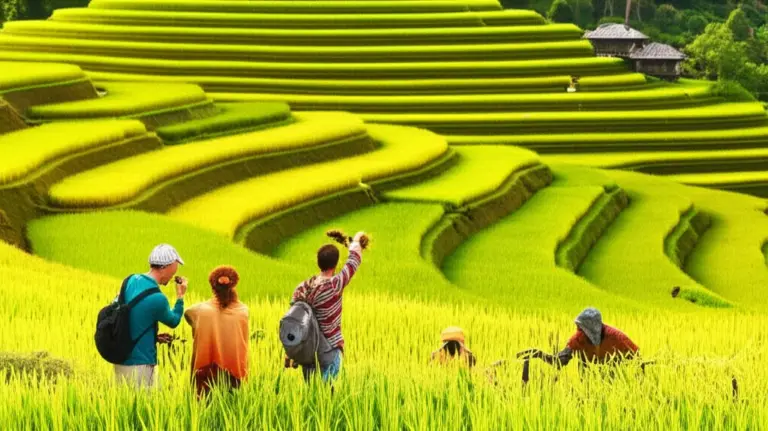
For travelers seeking an experience far deeper than the bustling markets and pristine beaches, the journey into the highlands of Northern Thailand offers a profound connection to nature and history. The iconic, sculpted landscapes of the region are home to the living rice terraces Northern Thailand, vast, emerald staircases carved into the mountainsides by generations of indigenous communities. These terraces are not merely agricultural sites; they are masterpieces of human ingenuity, cultural anchors, and vital ecosystems. Understanding their significance, knowing the optimal time for a visit, and committing to sustainable travel transforms a simple trip into an immersive, life-changing adventure.
The Soul of the North: Cultural Significance of the Rice Terraces
The rice terraces of Northern Thailand, particularly those concentrated in provinces like Chiang Mai and Mae Hong Son, represent the enduring relationship between the highland people and the mountainous terrain. Unlike flatland farming, terrace cultivation requires intimate knowledge of water management, soil conservation, and seasonal rhythms. This knowledge is passed down through oral tradition, making the terraces a living textbook of indigenous heritage.
A Legacy of Indigenous Wisdom
Many of the most impressive terraces, such as those near Ban Pa Bong Piang, are maintained by the Karen and Hmong hill tribes. For these communities, rice is more than a staple; it is a spiritual commodity. The entire agricultural cycle is interwoven with rituals, ceremonies, and deep respect for the land spirits (Phra Mae Phosop). The intricate irrigation systems, often diverting mountain streams across vast distances, showcase a sophisticated, sustainable engineering that predates modern technology.
- **Respect for Nature:** The terraces operate on principles of low-impact farming, ensuring minimal erosion and maximum biodiversity.
- **Generational Knowledge:** Techniques for managing water flow and choosing rice varieties are ancient, representing centuries of accumulated expertise.
- **Community Cohesion:** Farming often requires communal effort, strengthening social bonds within the villages.
Planning Your Trip: Best Seasons for Viewing the Living Rice Terraces Northern Thailand
The appearance of the living rice terraces Northern Thailand changes dramatically throughout the year, offering distinct visual experiences. Choosing when to visit depends entirely on the aesthetic you seek. The travel window generally follows the monsoon season, which dictates the planting and harvesting schedules.
| Season | Months | Appearance & Experience |
|---|---|---|
| The Emerald Season (Planting) | July – September | The terraces are lush, vibrant green. Water Buffalo are often seen working the fields. This is the wettest but most photogenic season. |
| The Golden Season (Harvest) | October – Early November | The rice turns a brilliant golden yellow, ready for harvest. The weather is often cooler and clearer, making for excellent hiking. |
| The Dry Season (Post-Harvest) | December – June | The fields are mostly brown or fallow, preparing for the next cycle. Ideal for hiking and community interaction, but less visually stunning. |
The Emerald Season (Greenest Views)
If your goal is to witness the quintessential image of the Thai highlands—layers of intensely green rice paddies stretching into the mist—then plan your trip for late July through September. While rain showers are common, they are usually brief, leaving behind a refreshed, humid landscape that bursts with life. Roads can be challenging, so hiring an experienced local guide or driver is highly recommended.
Sustainable Travel: Ensuring the Future of Northern Thailand’s Terraces
The delicate balance of these rural communities is vulnerable to mass tourism. Sustainable travel practices are paramount to ensure that future generations can continue to farm and that visitors can continue to enjoy these incredible sights. Ethical engagement means respecting the environment and supporting the local economy directly.
Choosing Ethical Accommodation
Opt for homestays or small, locally-owned guesthouses rather than large resorts. This ensures that your money directly benefits the families maintaining the terraces. Many hill tribe villages now offer simple, clean accommodation with meals included, providing an authentic cultural exchange and invaluable income to the community.
Respecting Local Customs and Communities
- **Ask Before Photographing:** Always seek permission before taking pictures of local people, especially children or during private ceremonies.
- **Dress Modestly:** Especially when visiting temples or entering villages, cover shoulders and knees.
- **Minimize Waste:** Carry out all non-biodegradable waste. The infrastructure for recycling is limited in remote areas.
- **Support Local Artisans:** Purchase handicrafts and local rice varieties directly from the producers.
Essential Northern Thai Rice Terrace Destinations
While many regions boast rice paddies, the most renowned examples of terracing are found in the remote corners of the North. The challenging journey to these locations is often part of the reward, leading to truly immersive experiences.
- Ban Pa Bong Piang (Chiang Mai)
- Arguably the most photographed terraces, known for their dramatic slopes and isolated setting. Accessible via a challenging road from Mae Chaem.
- Muang Ngoi (Nan Province)
- A lesser-known but equally stunning area, offering vast, undulating terraces and a quieter, more tranquil atmosphere away from the main tourist routes.
- Pai (Mae Hong Son)
- While Pai is known for its relaxed atmosphere, the surrounding hills feature accessible terraces, often integrated with the local tourism infrastructure, making them a great starting point for exploring the living rice terraces Northern Thailand.
The living rice terraces of Northern Thailand offer a powerful narrative of resilience, tradition, and breathtaking beauty. By choosing to visit responsibly and respectfully, travelers contribute to the preservation of this unique cultural landscape, ensuring that the emerald stairs continue to climb the mountainsides for generations to come.
คำถามที่พบบ่อย (FAQ)
References
Tourism Authority of Thailand (TAT) Official Website
- The Living Rice Terraces of Northern Thailand: Hands-On Farming and Cultural Experiences
- How to join hands-on farming programs: types of volunteer stays, what to expect day-to-day, necessary skills, costs, and booking tips for rice terrace experiences
- Local customs, food, and community life you’ll encounter: etiquette, traditional ceremonies, homestay norms, and authentic Northern Thai dishes tied to rice culture