How to join hands-on farming programs: types of volunteer stays, what to expect day-to-day, necessary skills, costs, and booking tips for rice terrace experiences
- How to join hands-on farming programs: types of volunteer stays, what to expect day-to-day, necessary skills, costs, and booking tips for rice terrace experiences
For travelers seeking an authentic and meaningful connection with Thai culture, moving beyond the usual tourist trail is essential. One of the most rewarding ways to achieve this is by participating in hands-on farming programs Thailand. These experiences offer a deep dive into sustainable living, local traditions, and the crucial process of rice cultivation—the backbone of Thai society. This comprehensive guide will walk you through the various types of volunteer stays, what your daily life will look like, the skills you’ll need, associated costs, and crucial booking tips, especially for those dreaming of working amongst the iconic rice terraces.
The Allure of Hands-On Farming Programs in Thailand
Thailand’s landscape is dominated by stunning natural beauty, and nowhere is this more evident than in its agricultural heartlands. Joining a farm stay allows you to escape the bustle of cities like Bangkok and Phuket and immerse yourself in the tranquil rhythm of rural life. It’s an exchange of labor for lodging and meals, but more profoundly, it’s an exchange of cultures and knowledge.
Why Choose Rice Terrace Experiences?
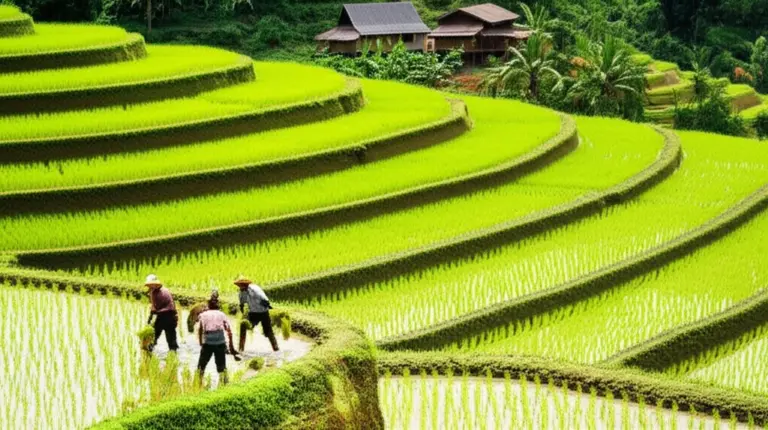
The tiered rice terraces, particularly in Northern Thailand (such as Chiang Mai, Nan, and Mae Hong Son), are engineering marvels and breathtaking sights. Volunteering here means directly engaging with one of the most significant crops globally. You will learn the intricate process of transplanting seedlings, managing water flow, harvesting, and threshing—skills passed down through generations. This is far more than just a photo opportunity; it is becoming part of the living landscape.
Types of Volunteer Stays and Programs
The structure of hands-on farming programs Thailand varies significantly, offering options for different commitment levels and travel styles.
WWOOF (World Wide Opportunities on Organic Farms)
WWOOF is perhaps the most well-known global network for farm volunteering. In Thailand, WWOOF connects volunteers with organic hosts who are committed to sustainable farming. Volunteers typically work 4–6 hours per day in exchange for accommodation and food. The focus is often on learning and cultural exchange rather than just labor.
- Commitment: Usually 1 week to 1 month.
- Cost: Requires an annual membership fee (approx. $40-$50 USD) to access the host list.
- Focus: Organic and sustainable practices, cultural exchange.
Local Homestay and Community-Based Tourism Initiatives
Many smaller, independent farms or community projects, particularly those focused on preserving traditional rice farming methods, offer direct volunteer or homestay programs. These are often found through local tourism boards or specialized ethical travel agencies. These programs tend to be highly immersive, placing you directly within a family unit or village, offering unparalleled access to local life and cuisine.
What to Expect: A Day in the Life of a Farm Volunteer
Life on a Thai farm, particularly those cultivating rice, operates according to the sun and the seasons. It is physically demanding but deeply rewarding.
Typical Daily Schedule
| Time | Activity | Notes |
|---|---|---|
| 6:00 AM | Wake up & Breakfast | Simple, fresh Thai breakfast (often rice porridge or noodles). |
| 7:00 AM – 11:30 AM | Morning Work Session | Planting, weeding, tending to crops, or repairing farm structures before the heat peaks. |
| 11:30 AM – 2:00 PM | Lunch & Siesta | A large, communal lunch followed by a rest during the hottest part of the day. |
| 2:00 PM – 4:30 PM | Afternoon Work Session | Lighter tasks, water management, or preparing tools. |
| 6:00 PM Onward | Dinner & Social Time | Communal dinner, cultural exchange, learning basic Thai phrases, or relaxing. |
Accommodation and Meals
Accommodation is generally rustic but clean. This might range from a basic bamboo hut (often raised on stilts) to a spare room in the host family’s home. Expect cold showers, mosquito nets, and basic amenities. Meals are a highlight; they are almost always delicious, fresh, and authentically Thai, often sourced directly from the farm itself. Dietary restrictions should be communicated clearly when booking.
Necessary Skills and Preparation
You don’t need to be a seasoned agronomist to participate in hands-on farming programs Thailand, but certain skills and expectations are crucial for a successful stay.
Essential Soft Skills (Flexibility, Communication)
The most important skills are flexibility, patience, and a genuine eagerness to learn. The pace of work might be different from what you expect, and communication can be challenging if your hosts speak limited English. Learning a few basic Thai phrases (greetings, thank you, key food words) will significantly enhance your experience and show respect.
Physical Demands
Farming is physically strenuous. You will be bending, lifting, working in the sun, and dealing with mud (especially during rice planting). Be prepared for long hours on your feet, and ensure you bring appropriate gear, including wide-brimmed hats, light long sleeves for sun protection, and sturdy rubber boots (or be prepared to buy them locally).
Costs and Financial Considerations
While the work exchange covers food and board, there are still costs involved in joining these programs.
Program Fees vs. WWOOF Membership
If you join WWOOF, the main cost is the annual membership. Individual host farms generally do not charge extra. However, some independent community-based tourism programs may charge a small daily fee (e.g., 200–500 THB) to cover overhead, supplies, or to contribute directly to the community fund. Always clarify what is included before committing.
Travel and Incidental Expenses
Your biggest costs will be travel to and from the farm location, which often involves buses or long-distance taxis from major hubs like Chiang Mai.
Estimated Budget Components:
- Visa fees (if applicable).
- Travel insurance (essential).
- Local transportation to the farm site.
- Personal expenses (snacks, toiletries, laundry).
Booking Tips for Authentic Rice Terrace Experiences
Finding the right placement requires careful planning, especially if you want to participate in specific activities like rice planting or harvesting.
Timing Your Visit (Planting vs. Harvesting Season)
The main rice growing season in Thailand typically runs from May/June (planting) to October/November (harvesting). If you want to experience the iconic work in the paddies, aim for these months. Volunteering during the dry season (December–April) often focuses on maintenance, construction, or alternative crops.
Use this map to visualize the key rice farming areas in Northern Thailand:
Vetting Programs for Ethical Tourism
Ensure the program is genuinely focused on sustainable agriculture and cultural exchange, not just cheap labor. Look for reviews from past volunteers and ask specific questions about the farm’s practices and how they support the local community. Programs linked to recognized networks like WWOOF often provide a baseline level of credibility.
To get a better visual sense of the commitment and beauty of farming in the region, watch this short documentary on sustainable practices:
Participating in hands-on farming programs Thailand offers a transformative travel experience, fostering a deep respect for the land and the people who cultivate it. By preparing adequately and choosing ethical programs, you can ensure your journey into the Thai countryside is both memorable and impactful.
คำถามที่พบบ่อย (FAQ)
References
- WWOOF Thailand Official Website
- Tourism Authority of Thailand (TAT)
- Food and Agriculture Organization (FAO) Thailand
- The Living Rice Terraces of Northern Thailand: Hands-On Farming and Cultural Experiences
- Why visit the living rice terraces? Understanding cultural significance, best seasons, and sustainable travel practices for immersive experiences in Northern Thailand
- Local customs, food, and community life you’ll encounter: etiquette, traditional ceremonies, homestay norms, and authentic Northern Thai dishes tied to rice culture