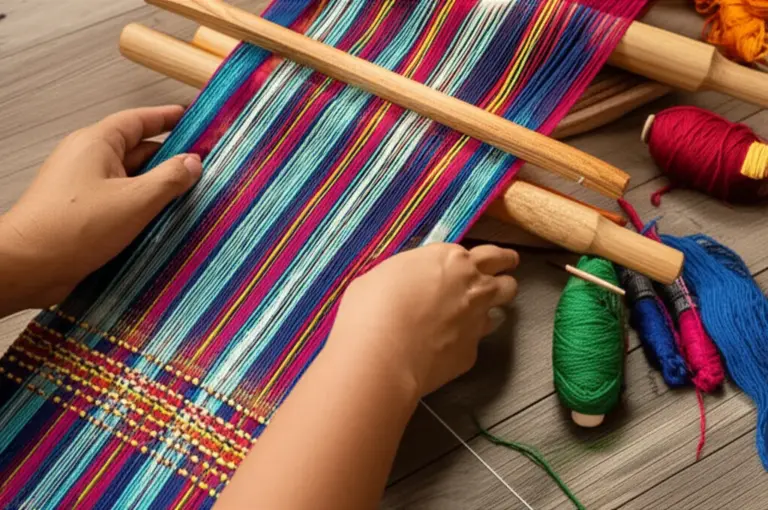
Hands-on techniques and materials: step-by-step backstrap loom setup, common patterns, natural dyes, and tips for beginners to create a souvenir
- Hands-on techniques and materials: step-by-step backstrap loom setup, common patterns, natural dyes, and tips for beginners to create a souvenir
- Understanding the Backstrap Loom: An Ancient Art Form
- Step-by-Step: Mastering the Backstrap Loom Setup
- Exploring Common Thai Weaving Patterns for Souvenirs
- Tips for Beginners: Ensuring a Successful Souvenir Project
- Conclusion: Take Home More Than Just a Souvenir
- คำถามที่พบบ่อย (FAQ)
- How long does it take a beginner to weave a small souvenir using a backstrap loom?
- Is it necessary to use natural dyes when creating a souvenir in Thailand?
- What is the main difference between the warp and the weft in weaving?
- Where in Thailand are the best places to find hands-on weaving workshops?
- References
Discover the deeply rewarding experience of creating your own authentic Thai textile. Learning the **backstrap loom setup souvenir Thailand** process transforms a simple trip into a tangible memory.
For the modern traveler seeking an authentic connection to Thai culture beyond the usual tourist trails, engaging in traditional weaving offers unparalleled depth. Thailand, rich in diverse ethnic groups, boasts centuries-old textile traditions. This guide provides comprehensive, hands-on instruction covering everything required to set up a backstrap loom, master fundamental patterns, utilize vibrant natural dyes, and successfully complete a wearable or decorative souvenir.
Understanding the Backstrap Loom: An Ancient Art Form
The backstrap loom (or *krok* in some Thai dialects) is perhaps the oldest form of weaving technology known globally. Its portability and simplicity belie the complexity of the textiles it produces. The system relies on the weaver’s own body to provide the necessary tension. For tourists looking to replicate this experience, understanding the four main components is crucial: the warp beam (anchor), the cloth beam (take-up roller), the shedding device (heddles), and the backstrap itself.
Essential Materials for Your First Weave
While commercial yarn is accessible, true authenticity often involves local materials. Beginners should start with medium-weight cotton or silk blends, as these offer good visibility of the shed opening. Ensure you have the necessary tools:
- Warp Yarn: Pre-measured and wound onto a warping board.
- Weft Yarn: The yarn you insert across the warp.
- Heddles: To separate warp threads (often made from string or thin wire).
- Beater/Sword: A flat piece of wood or plastic used to push the weft firmly into place.
- Backstrap: A sturdy piece of woven material or leather worn across the weaver’s lower back.
Sourcing Natural Dyes in the Thai Context
Natural dyeing is an art form intertwined with Thai textile history, particularly in the Northern and Northeastern regions. Utilizing local flora yields subtle, complex colors that synthetic dyes cannot replicate. For a beginner souvenir project, focus on easily accessible mordants and dyes:
| Color | Source Material (Thai Example) | Mordant Needed |
|---|---|---|
| Yellow/Gold | Turmeric Root (ขมิ้น) | Alum |
| Red/Brown | Sappanwood (ฝาง) | Alum or Iron Water |
| Blue/Indigo | Indigo Plant (คราม) | Requires fermentation vat |
Step-by-Step: Mastering the Backstrap Loom Setup
The setup is often the most challenging part for newcomers attempting the **backstrap loom setup souvenir Thailand** process. Precision here dictates the success of the final piece. This process requires a stable anchor point (a sturdy post or tree) and a strong piece of furniture or a partner for the backstrap.
Step 1: Warp Preparation and Measuring
First, determine the length of your desired souvenir (e.g., a bookmark or coaster). Measure and wind the warp threads around a warping board or pegs, ensuring every thread runs parallel and under consistent tension. This phase is critical; uneven warp leads to uneven weaving later.
Step 2: Attaching the Warp to the Loom Bars
Tie the start of the warp securely to the warp beam (the stationary bar attached to your anchor). Then, thread the heddles onto the appropriate warp threads. The heddles control which threads lift up or down. After threading, stretch the warp toward you and tie the end to the cloth beam (the roller that takes up the finished cloth).
Step 3: Securing the Backstrap and Tensioning
This is where the ‘backstrap’ comes in. The cloth beam is connected to the backstrap, which the weaver wears around their lower back. By leaning forward, the weaver creates the necessary tension across the warp. Adjust the distance between the anchor point and your body until the warp threads are straight and taut, but not so tight that they snap. This dynamic tension control is the core skill.
Visualizing the Setup Process
Exploring Common Thai Weaving Patterns for Souvenirs
Once the loom is set up, you can begin inserting the weft yarn. For a quick souvenir, mastering one or two simple structures is ideal.
Plain Weave (Tabby) – The Foundation
Plain weave is the simplest structure: one thread over, one thread under (alternating). In loom terms, this means lifting the ‘up’ heddle threads, inserting the weft, beating it down, then switching the heddles (lifting the ‘down’ threads) and inserting the next weft pass. This creates a balanced, durable fabric perfect for small items.
Supplementary Weft Techniques (Adding Detail)
Many famous Thai textiles incorporate supplementary weft, where extra, often brightly colored, yarns are woven in only on the surface to create patterns (like diamonds or geometric motifs). This requires careful manual manipulation of individual warp threads in addition to using the heddles, offering a beautiful challenge for intermediate learners.
Tips for Beginners: Ensuring a Successful Souvenir Project
Don’t let initial frustration derail your souvenir creation. Patience and technique refinement are key to achieving that professional Thai textile look.
Managing Tension and Fatigue
Remember, the tension comes from your body. If your back hurts, you are leaning too far or need to adjust the anchor point. Take frequent breaks. It is better to weave slowly and correctly for thirty minutes than rush for an hour and create uneven sections that require undoing.
Choosing Beginner-Friendly Yarn Colors
When using natural dyes, choose high-contrast colors for your first project (e.g., deep indigo warp with a bright turmeric weft). This allows you to clearly see the weave structure and any mistakes immediately, aiding the learning process.
Conclusion: Take Home More Than Just a Souvenir
The journey through the **backstrap loom setup souvenir Thailand** adventure is transformative. Whether you participate in a short workshop near Bangkok or spend days with a community in the North, the resulting textile is imbued with your effort and respect for ancient craft. This hands-on experience guarantees that the souvenir you bring home carries a story only you can tell.
คำถามที่พบบ่อย (FAQ)
References
- Guide to Traditional Thai Textile Craftsmanship
- The Science of Natural Dye Mordanting in Southeast Asia
- Backstrap weaving workshop with the Tai Lue community in Nan: An immersive cultural experience learning traditional techniques, history, and sustainable practices
- Why backstrap weaving matters: Tai Lue cultural heritage, symbolism, and the craft’s role in community identity and tourism
- What to expect at a Tai Lue backstrap weaving workshop in Nan: itinerary, skill levels, duration, costs, and how to book an authentic local experience