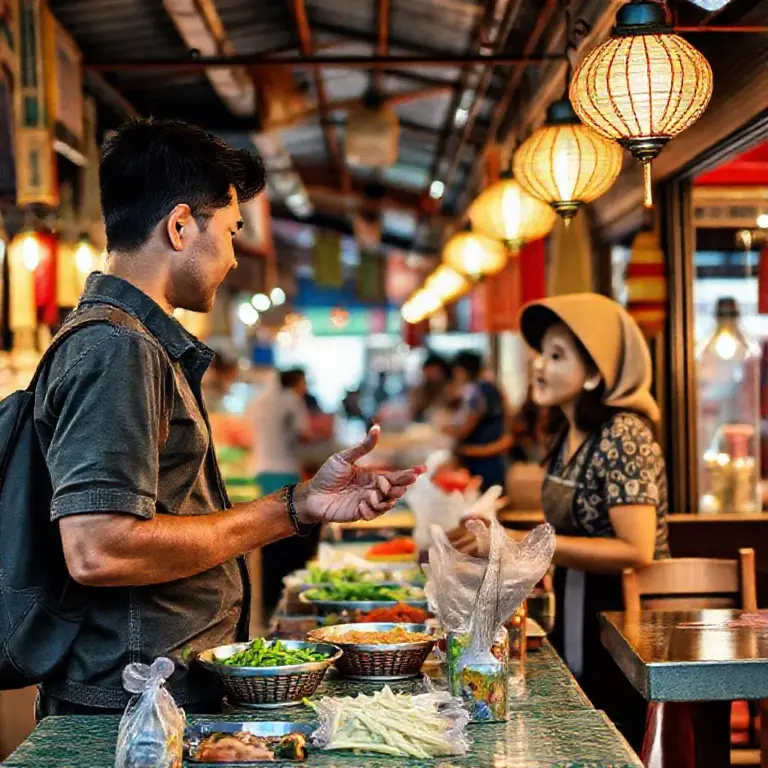
Thai etiquette in restaurants and markets: bargaining politely — A guide for visitors to Thailand
- Thai etiquette in restaurants and markets: bargaining politely — A guide for visitors to Thailand
Welcome to the Land of Smiles! Thailand offers incredible culinary adventures and vibrant shopping experiences, from Michelin-starred dining rooms to bustling night markets. However, navigating these social landscapes requires an understanding of local customs. This comprehensive guide illuminates the essential Thai etiquette in restaurants and markets: bargaining politely, ensuring your interactions are respectful, smooth, and enjoyable. Mastering these nuances shows respect for Thai culture, often leading to better service and friendlier exchanges.
Understanding the Thai Concept of ‘Sanuk’ and Respect
Before diving into specifics, it’s crucial to grasp the Thai cultural pillars of Kreng Jai (consideration for others) and Sanuk (the concept of fun/enjoyment). Every interaction, whether ordering Pad Thai or haggling over a souvenir, should maintain a light, friendly atmosphere. Aggression or overt frustration is highly frowned upon and immediately ruins the experience for both parties.
The Wai: The Universal Greeting
The Wai—pressing the palms together in a prayer-like gesture—is fundamental. In restaurants, a slight nod and a small Wai is appropriate when greeting staff or thanking them. As a visitor, you are generally not expected to initiate the Wai with service staff, but always return one gracefully.
Essential Thai Etiquette in Restaurants
Dining in Thailand ranges from street-side stalls to formal establishments. While rules differ slightly, these guidelines ensure you show proper respect.
Table Manners and Utensils
- ✓ Use the Fork and Spoon: The spoon is the primary utensil for bringing food to your mouth. The fork is used only to push food onto the spoon.
- ✓ Chopsticks are reserved primarily for noodle dishes.
- ✓ Never stick your chopsticks upright into a bowl of rice; this resembles incense sticks at a funeral and is highly taboo.
- ✓ Avoid pointing at people or objects with your feet or utensils.
Paying the Bill and Tipping
Bargaining is an expected part of the transaction process in non-fixed-price environments like Chatuchak Weekend Market or local souvenir stalls. However, the goal is not to ‘win’ the negotiation but to arrive at a mutually agreeable price while maintaining goodwill. This is where Thai etiquette in restaurants and markets: bargaining politely is most tested.
The Golden Rules of Haggling
- Never Start if You Won’t Buy: Only engage if you are genuinely interested in the item. Wasting a vendor’s time is disrespectful.
- Start Low, But Not Insultingly Low: A good starting point is often 50% of the initial asking price, but for very cheap items, aim for about 60-70% of the initial quote. Asking for an absurdly low price suggests you do not value their work.
- Use Positive Body Language: Smile constantly! A grumpy demeanor kills any chance of a good deal. Use phrases like “Pim jai” (I’m sorry/excuse me) frequently.
- Bundle for Better Deals: If you buy multiple items, you have much stronger leverage to ask for a collective discount.
- Know When to Walk Away: If you reach an impasse, politely thank the vendor and walk away slowly. Often, the vendor will call you back with a better offer. If they don’t, accept the price was their final offer and move on gracefully.
What NOT to Do When Bargaining
To truly appreciate the vibrant energy of Thai commerce, watch how locals interact. It’s a dance of mutual respect. For a deeper dive into cultural nuances, you might find this resource helpful: Understanding Thai Cultural Norms.
In both dining and social settings, awareness of hierarchy and respect for the body is vital.
Seating Hierarchy
When entering a restaurant or joining a group, the seat furthest from the door or the most central/elevated seat is usually reserved for the eldest or most senior person present. Wait to be seated or pointed to your place. If dining with Thai friends, always wait for the host or the eldest person to begin eating first.
The Feet Taboo
In Thailand, the feet are considered the lowest and least clean part of the body. Never point your feet directly at a person, an altar, or a Buddha image. When sitting on the floor in very traditional settings, tuck your feet underneath your body (the ‘mermaid’ position) or to the side. While less critical in modern markets, avoid putting your feet up on benches or chairs.
คำถามที่พบบ่อย (FAQ)
Here are answers to common questions regarding Thai social interactions.
Generally, yes, it is considered impolite if you are dining with others. Keep phone conversations brief and quiet. If you must take a call, excuse yourself from the table first, showing respect to your dining companions.
For more expensive, handcrafted items where the vendor has more flexibility, you might aim to negotiate the price down by 20% to 30% from the initial offer. Remember to keep the tone light and appreciative of the craftsmanship.
Yes, when paying for food or small market purchases, hand the money directly to the vendor. If they place the change on the counter or in a small dish, pick it up respectfully. Avoid handing money over someone else’s head if possible.
References
- Understanding the cultural context: why politeness matters when bargaining in Thai restaurants and markets
- How to read social cues and body language: recognizing wai, smiles, tone, and other nonverbal signals during transactions
- Practical phrases and bargaining scripts: polite Thai expressions, price negotiation lines, and when to accept or walk away