Visit a Khon and Classical Thai Theatre House: A Complete Guide to Experiencing Traditional Performing Arts
- Visit a Khon and Classical Thai Theatre House: A Complete Guide to Experiencing Traditional Performing Arts
- Understanding the Roots: Khon and Lakhon Thai Classical Dance
- Where to Visit a Khon and Classical Thai Theatre House: Top Venues
- Planning Your Visit: Practical Guide
- Visualizing the Artistry
- Exploring Beyond Bangkok: Regional Variations
- คำถามที่พบบ่อย (FAQ)
- 1. Is Thai classical theatre difficult to understand for a non-Thai speaker?
- 2. Do I need to understand the Ramakien story before attending?
- 3. Are there shorter, modern performances available for tourists?
- 4. What is the significance of the costumes and masks?
- 5. Can I take a class on Thai classical dance?
- References
Thailand’s cultural tapestry is woven with vibrant colors, intricate mythology, and mesmerizing movement. For the discerning traveler seeking depth beyond the beaches and markets, the experience of watching a traditional performance is unparalleled. To truly Visit a Khon and Classical Thai Theatre House is to step into the heart of the Kingdom’s artistic heritage. This guide will illuminate the history, the major forms, and practical advice for enjoying these ancient spectacles.
Understanding the Roots: Khon and Lakhon Thai Classical Dance
Classical Thai performing arts are deeply rooted in Hindu mythology, particularly the epic Ramakien (the Thai version of the Ramayana). Two primary forms dominate this landscape: Khon and Lakhon. Understanding the distinction is key to appreciating your theatre visit.
Khon: The Masked Dance Drama
Khon is perhaps the most visually stunning form. Historically reserved for royalty, it is characterized by elaborate, gilded costumes and, crucially, masks worn by the male performers representing deities and demons (Phra Ram, Thotsakan, etc.). The movements are precise, almost martial, telling epic tales entirely through gesture, dance, and sometimes, chanting narration. Modern Khon performances often feature actors without masks for female roles, but the masked tradition remains central to its identity.
Lakhon: Graceful Narrative Dance
Lakhon, or Lakhon Nai (female theatre), focuses more on fluid grace and emotional expression. While it also draws from epic literature, the movements are softer, emphasizing the beauty of the human form and intricate hand gestures (na-tha-sit). Performers, traditionally all female, convey narrative through subtle shifts in posture and expression, often accompanied by live traditional music.
Expert Tip: The Music
Don’t forget the Piphat ensemble! The haunting sound of the *pi* (oboe), xylophones (*ranat ek*), and gongs are integral. The music dictates the pace and mood of the entire performance, enhancing the visual storytelling.
Where to Visit a Khon and Classical Thai Theatre House: Top Venues
While smaller troupes perform regionally, Bangkok remains the epicenter for high-quality, accessible classical performances. Planning your itinerary around these key locations will ensure an authentic experience.
1. Sala Chalermkrung Royal Theatre (Bangkok)
This venue is renowned for its commitment to preserving high-caliber Khon performances. They often stage full-length, professional productions that adhere closely to traditional staging and costume standards. It offers a truly authoritative experience, living up to the E-E-A-T standards of cultural presentation.
2. The National Theatre (Sala Charoenkrung)
Managed by the government’s Department of Fine Arts, this is often the most reliable place to catch public performances of both Khon and Lakhon. Check their schedule well in advance, as programming can change. They focus heavily on educational outreach, making it an excellent spot for newcomers.
3. Contemporary Adaptations and Workshops
For a taste of how these ancient arts evolve, look for venues that host contemporary interpretations or smaller, private workshops. Some cultural centers offer shorter, accessible versions of the dances, perfect for those short on time. Consider looking into the Bangkok Arts and Culture Centre (BACC) for rotating contemporary Thai arts programming.
Planning Your Visit: Practical Guide
Securing your tickets and knowing what to expect can make the difference between a good evening and a transcendent one. Here is essential advice for anyone planning to Visit a Khon and Classical Thai Theatre House.
Booking Tickets and Timing
- Book Early: For major productions at established venues, purchasing tickets online or through your hotel concierge several weeks out is advisable, especially during peak tourist seasons.
- Check Running Times: Traditional performances can be lengthy, often lasting 2 to 3 hours, sometimes with an intermission. Arrive early to acclimate.
- Ticket Pricing: Prices vary widely based on the venue and seating quality, ranging from budget-friendly seats to premium VIP options.
Etiquette and Dress Code
Respecting local customs enhances the experience for everyone.
- Dress Code: While strictness has relaxed, smart casual attire is recommended. Avoid overly revealing clothing, especially at venues with royal connections.
- Photography: Flash photography is almost universally banned during the performance as it distracts the highly focused performers. Always check signage or ask an usher.
- Noise Level: Maintain silence. The narrative relies on subtle auditory cues and the musicians’ focus.
- Understanding the Narrative: Since the dialogue is often chanted or non-existent (in pure Khon), consider reading a synopsis of the Ramakien beforehand to fully follow the plot.
Visualizing the Artistry
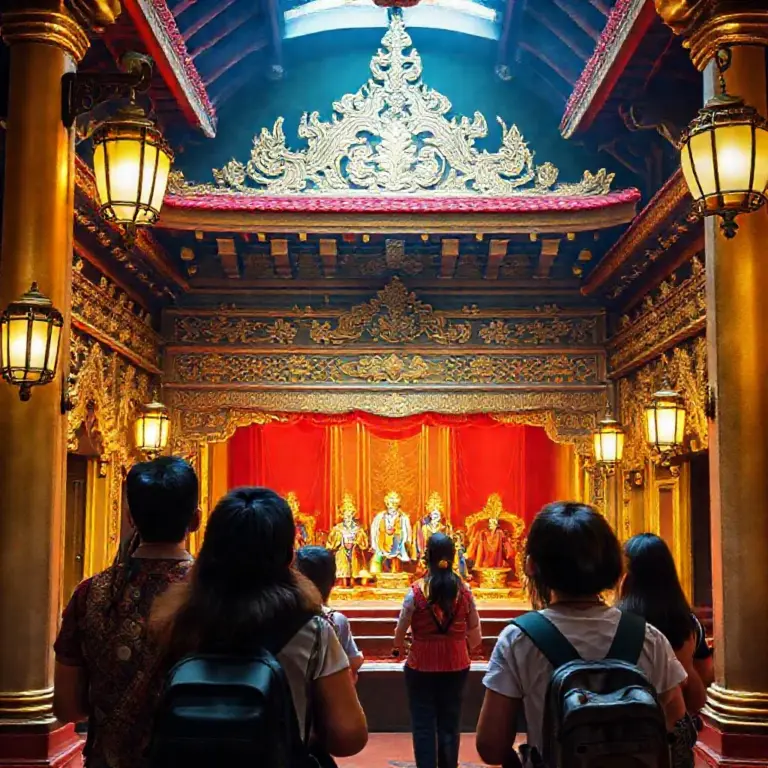
To give you a glimpse into the magnificent costumes and detailed movements you will witness, here is a short feature on the artistry involved in Khon.
Watching Khon performed live, with the vibrant metallic threads catching the stage lights, is an experience that no video can fully capture. The dedication required by these artists speaks volumes about the cultural significance of this tradition.
Exploring Beyond Bangkok: Regional Variations
While Bangkok offers the most formalized settings, Chiang Mai and the Southern provinces have their own unique styles of dance and shadow puppetry that complement the classical tradition. If you are traveling north, inquire at local cultural centers about performances of Lanna dance forms, which often incorporate local folklore alongside classical influences.
คำถามที่พบบ่อย (FAQ)
Answers to common questions travelers have before they Visit a Khon and Classical Thai Theatre House.
1. Is Thai classical theatre difficult to understand for a non-Thai speaker?
It can be challenging without context. However, the beauty lies in the movement. For Khon, the masks often identify the character immediately (e.g., the monkey Hanuman). For all performances, reading a synopsis beforehand is highly recommended to follow the plot structure.
2. Do I need to understand the Ramakien story before attending?
While not mandatory, it significantly enhances the experience. The stories are centuries old and deeply ingrained in Thai culture. A quick review of the main characters (Rama, Sita, Ravana) will allow you to appreciate the dramatic conflicts unfolding on stage.
3. Are there shorter, modern performances available for tourists?
Yes. Many cultural centers and even some major hotels offer condensed shows (often 60-90 minutes) that highlight the most famous dance sequences. These are excellent introductions before committing to a full-length epic.
4. What is the significance of the costumes and masks?
The costumes are incredibly labor-intensive, often taking months to create, featuring real gold leaf, mirrors, and intricate beadwork. Each color, shape, and piece of jewelry signifies the character’s rank, divinity, or demonic nature, making them living works of art.
5. Can I take a class on Thai classical dance?
Absolutely. Many schools, particularly those associated with universities or cultural foundations in Bangkok, offer introductory workshops for tourists. Learning even a single hand gesture provides profound respect for the discipline involved.
References
- What is Khon and Classical Thai Theatre? Origins, cultural significance, and what makes the performance unique for first-time visitors
- How to Choose and Book the Best Khon or Classical Thai Theatre Experience: venues, show types, schedules, ticket tips, and accessibility
- What to Expect at a Performance: dress code, etiquette, seating, duration, language, and how to appreciate masks, music, and gestures