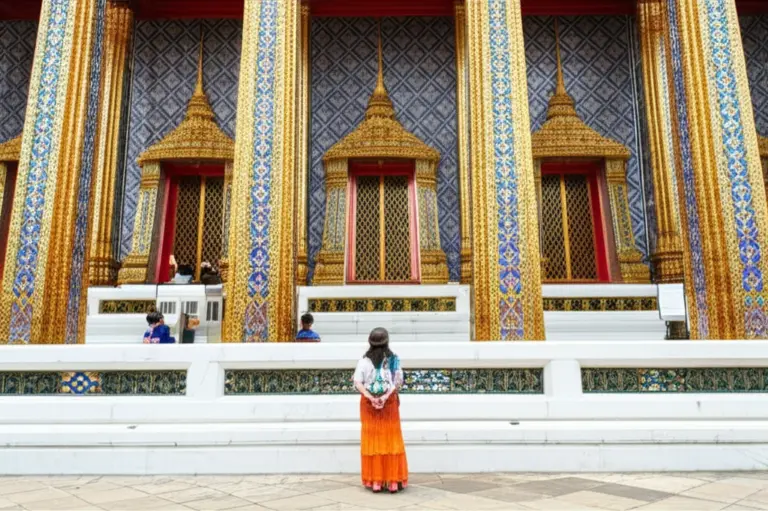
Planning Your Visit: Best Times, Ticketing, Dress Code, Guided Tours, and How to Avoid Crowds at Bangkok’s Top Temples
- Planning Your Visit: Best Times, Ticketing, Dress Code, Guided Tours, and How to Avoid Crowds at Bangkok’s Top Temples
Bangkok, a city where ancient traditions beautifully intertwine with modern dynamism, is renowned for its magnificent temples. These sacred sites are not just architectural marvels but living centers of Buddhist faith and culture. To truly appreciate their grandeur and spiritual significance, a well-planned visit is essential. This comprehensive Bangkok Temples Visit Guide will equip you with all the knowledge you need to navigate these spiritual havens respectfully and efficiently, ensuring an unforgettable experience.
Best Times to Visit Bangkok Temples
Timing is everything when exploring Bangkok’s temples. The city’s tropical climate means heat and humidity are constant companions, while popularity ensures crowds. Strategic timing can significantly enhance your experience.
Morning vs. Afternoon
- Early Mornings (8:00 AM – 10:00 AM): This is hands down the best time to visit. Temperatures are cooler, and the crowds are significantly smaller, especially at popular sites like the Grand Palace and Wat Pho. You’ll have more space to admire the intricate details and capture stunning photographs without throngs of people. Many temples open around 8:00 AM or 8:30 AM. [3, 4, 5, 12, 14, 17, 18, 21, 26]
- Late Mornings/Afternoons (10:00 AM – 3:00 PM): These hours see the highest temperatures and the largest crowds. While still visitable, be prepared for longer queues, less personal space, and the intense tropical sun. Hydration is crucial during this period.
- Late Afternoons/Evenings (after 3:00 PM): Crowds begin to thin out, and the light becomes softer, ideal for photography. Some temples, like Wat Arun, are stunning at sunset and when illuminated at night. Note that some major sites like the Grand Palace close earlier, typically by 3:30 PM or 4:30 PM. [4, 11, 21, 26]
Weekdays vs. Weekends
Weekdays are generally less crowded than weekends. Thai locals often visit temples on weekends and public holidays, leading to increased foot traffic. If your schedule allows, aim for a weekday visit.
Seasonal Considerations
- Cool Season (November to February): This is Bangkok’s peak tourist season due to more pleasant temperatures and lower humidity. While the weather is ideal, expect larger crowds and higher prices for flights and accommodation.
- Hot Season (March to May): Temperatures soar, and humidity is high. Crowds might be slightly less, but the heat can be challenging.
- Rainy Season (June to October): Characterized by frequent, heavy, but usually short-lived downpours. Crowds are at their lowest, and the landscape is lush. While rain can disrupt plans, it often brings a welcome cool-down.
Essential Ticketing Information
Understanding ticket prices and purchasing options for Bangkok’s major temples is crucial to avoid scams and save time.
| Temple | Foreigner Entry Fee (THB) | Opening Hours | Notes |
|---|---|---|---|
| Grand Palace & Wat Phra Kaew (Emerald Buddha Temple) | 500 | 8:30 AM – 4:30 PM (Last entry 3:30 PM) | Includes access to Queen Sirikit Museum of Textiles and Khon performance. [4, 11, 15, 21, 22, 24, 26] Strict Dress Code |
| Wat Pho (Temple of the Reclining Buddha) | 300 | 8:00 AM – 6:30 PM / 7:30 PM | Children under 120cm free. Home to the traditional Thai massage school. [3, 5, 7, 10, 14, 26] |
| Wat Arun (Temple of Dawn) | 200 | 8:00 AM / 8:30 AM – 6:00 PM / 5:30 PM | Iconic riverside temple, popular at sunset. [3, 9, 12, 17, 18, 19, 23, 26] |
Tips for Purchasing Tickets:
- Always buy tickets from official ticket booths at the temple entrance.
- Be wary of touts outside who claim the temple is closed or try to sell you overpriced tickets or alternative tours. This is a common scam.
- Some temples may offer online ticketing options, which can save time, especially during peak season. [5]
Dress Code and Temple Etiquette
Respecting local customs is paramount when visiting sacred sites in Thailand. Adhering to the dress code and practicing proper etiquette shows reverence for the culture and faith.
What to Wear (Men & Women)
- Shoulders and Knees Covered: This is the golden rule for all temples. For women, this means shirts with sleeves (no tank tops, spaghetti straps, or off-the-shoulder tops) and skirts or trousers that cover the knees. For men, long trousers are preferred, and shirts with sleeves. [6, 8, 13, 16, 17, 20]
- Ankles Covered (especially at Grand Palace): The Grand Palace has a particularly strict dress code, often requiring ankles to be covered. Scarves are generally not accepted as a cover-up for shoulders or legs at the Grand Palace. [6, 13, 16]
- Avoid: Shorts, mini-skirts, ripped jeans, transparent clothing, tight-fitting leggings, and sleeveless tops are generally not allowed. [6, 13, 16, 20]
- Footwear: While sandals and flip-flops are usually acceptable, you will need to remove your shoes before entering the main prayer halls (wiharn or ubosot). Wear comfortable footwear that is easy to slip on and off. [6, 8]
Important Note:
If your attire is deemed inappropriate, you may be denied entry or asked to rent suitable clothing at the entrance (usually for a small fee, e.g., 200 THB at Grand Palace). To avoid inconvenience, dress appropriately from the start. [6, 11, 13]
General Respectful Behavior
- Remove shoes before entering temple buildings. [6, 8]
- Remove hats and sunglasses indoors. [6, 8, 20]
- Speak softly and avoid loud conversations.
- Do not point your feet at Buddha images or monks. Sit with your feet tucked to the side. [8]
- Photography is generally allowed, but avoid flash in sacred areas and do not pose disrespectfully with Buddha images.
- Do not touch monks or sacred objects without permission. Women should never touch a monk.
- Step over, not on, raised thresholds at temple entrances, as they are believed to house guardian spirits. [8]
Exploring with Guided Tours
While self-exploration is rewarding, a guided tour can significantly enrich your understanding of the temples’ history, architecture, and religious significance.
Benefits of a Guided Tour
- Deeper Insight: Local guides provide historical context, cultural anecdotes, and religious explanations that you might miss on your own.
- Time Efficiency: Guides know the best routes and times to avoid crowds and navigate complex sites like the Grand Palace efficiently.
- Scam Avoidance: A reputable guide can help you steer clear of common tourist scams around popular attractions.
- Logistics: Many tours include transportation, making it easier to hop between temples.
Types of Tours
- Private Tours: Offer flexibility and personalized attention, ideal for families or small groups.
- Group Tours: More budget-friendly, covering major highlights with a shared guide.
- River Cruises: Combine temple visits with a scenic cruise on the Chao Phraya River, offering unique perspectives of riverside temples like Wat Arun. [27]
Strategies to Avoid Crowds
Even during peak season, clever planning can help you experience Bangkok’s temples with a sense of peace and tranquility.
Early Mornings are Key
As mentioned, arriving right at opening time (8:00 AM or 8:30 AM) is the most effective way to beat the rush at popular sites like the Grand Palace and Wat Pho. You’ll enjoy cooler temperatures and significantly fewer people. [24, 27]
Off-Peak Seasons & Times
Consider visiting during the rainy season (June-October) if you prioritize fewer crowds over perfect weather. Mid-week visits are always preferable to weekends. If you can only visit in the afternoon, try to go closer to closing time, keeping in mind that some areas might already be roped off.
Explore Lesser-Known Temples
While the ‘big three’ (Grand Palace, Wat Pho, Wat Arun) are must-sees, Bangkok boasts thousands of other beautiful temples that offer a more serene experience. Consider visiting:
- Wat Saket (The Golden Mount): Offers panoramic city views after a climb. Go in the morning to avoid the heat. [23, 24]
- Wat Benchamabophit (The Marble Temple): A stunning example of modern Thai architecture. [23]
- Wat Traimit (Temple of the Golden Buddha): Houses a 5.5-ton solid gold Buddha image. [25]
Transportation Tips
Utilize Bangkok’s diverse transportation network to your advantage. River boats are excellent for reaching riverside temples like Wat Arun and Wat Pho, often bypassing traffic. Taxis and Grab (ride-hailing app) are convenient for direct routes, while the BTS Skytrain and MRT subway can get you close to some areas, followed by a short walk or tuk-tuk ride.
Must-Visit Temples in Bangkok
No Bangkok Temples Visit Guide would be complete without highlighting the most iconic and spiritually significant temples that define the city’s skyline and cultural heart.
The Grand Palace & Wat Phra Kaew (Emerald Buddha Temple)
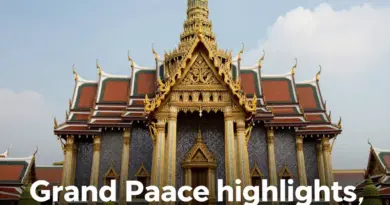
The former royal residence and a sprawling complex of halls, pavilions, and gardens. Wat Phra Kaew, located within its grounds, houses the revered Emerald Buddha, Thailand’s most sacred religious icon. Be prepared for crowds and strictly adhere to the dress code. [4, 6, 11, 15, 21, 22, 24, 26]
Wat Pho (Temple of the Reclining Buddha)
Just a short walk from the Grand Palace, Wat Pho is famous for its colossal 46-meter-long Reclining Buddha, adorned in gold leaf. It’s also recognized as the birthplace of traditional Thai massage. [3, 5, 7, 10, 14, 26]
Wat Arun (Temple of Dawn)
Situated on the west bank of the Chao Phraya River, Wat Arun’s distinctive prang (spire) is beautifully decorated with colorful porcelain and seashells. It’s particularly stunning at sunrise or sunset when its silhouette is cast against the sky. A short ferry ride connects it to Wat Pho. [3, 9, 12, 17, 18, 19, 23, 25, 26]
Planning your visit to Bangkok’s temples is an essential part of experiencing the city’s rich cultural and spiritual heritage. By understanding the best times to go, navigating ticketing, respecting the dress code, considering guided tours, and employing strategies to avoid crowds, you can ensure a deeply meaningful and enjoyable exploration of these iconic landmarks. Embrace the tranquility, admire the artistry, and immerse yourself in the profound spirituality that these temples offer, making your Bangkok Temples Visit Guide experience truly unforgettable.
คำถามที่พบบ่อย (FAQ)
References
- Bangkok Big List of Entry Fees – Your Thai Guide
- ENTRANCE FEE FOR THE GRAND PALACE & EMERALD BUDDHA TEMPLE BANGKOK – Emerald-Buddha.com
- Wat Pho Official Booking Website
- Dress Code for Grand Palace and Temples in and around Bangkok – Your Thai Guide
- Wat Pho: Everything You Need Before Visiting – Klook Travel
- Etiquette advice for visiting Thai temples – Fan Club Thailand
- Maximize Your Visit: Wat Arun Entrance Fee for Foreigners – Agoda.com
- Visiting Wat Pho in Bangkok: What you need to know in 2025 – Time Travel Turtle
- Grand Palace Bangkok: Travel Information 2025 | BestPrice Travel
- Wat Arun in Bangkok: all you need to know to visit it! – Thailandee.com
- Temple dress code – Nok Thai Tour
- Wat Pho | Entrance Fee, Opening Hours & More – ForeverVacation
- Grand Palace | Compare Prices for Tickets & Tours to Find the Best Deal for Your Trip to Bangkok – TicketLens
- Dress Code The Grand Palace & The Emerald Buddha Temple – Bangkok Tour Guide
- Wat Arun | Entrance Fee, Opening Hours & More – ForeverVacation
- Wat Arun | Compare Tickets & Tours with TicketLens
- Wat Arun In Bangkok Entry Fees – TravelTriangle
- An Ultimate Traveler’s Guide for Thailand Temple Dress Code – Traveloka
- 4 Ways to sell tickets | The Grand Palace
- The Grand Palace Bangkok Tickets 2025 | Book TicketsToDo Online
- Quick Guide To Bangkok Temples (2024) – Artifacts
- Guide to Visiting Temples in Bangkok – Becky Exploring
- What is the Number One Temple in Bangkok? – Thailand Starts Here
- Bangkok Temple Guide: The 9 Best Temples In Bangkok – BackPack Bob
- Visit the top three temples in Bangkok in one day – full itinerary – Curious Goose Travel
- Bangkok’s Grand Palace & Wat Pho: The Ultimate Visitor’s Guide to Temples, History, and Practical Tips
- Overview of the Grand Palace and Wat Pho: History, Significance, and Must-See Highlights for First-Time Visitors
- Exploring Key Attractions in Detail: The Emerald Buddha, Royal Halls, Reclining Buddha, Chapel Architecture, and Cultural Etiquette