Camping Logistics on the Plateau — Campsite Options, What to Pack, Food & Water Strategies, and Overnight Safety
Planning a high-altitude adventure requires more than just a tent and a sleeping bag. Mastering Camping Logistics on the Plateau is essential for ensuring a comfortable and safe experience in Thailand’s unique upland environments like Phu Kradueng or Doi Inthanon. From navigating thin air to managing limited resources, this guide provides a comprehensive roadmap for your next plateau expedition.
Understanding Plateau Campsite Options
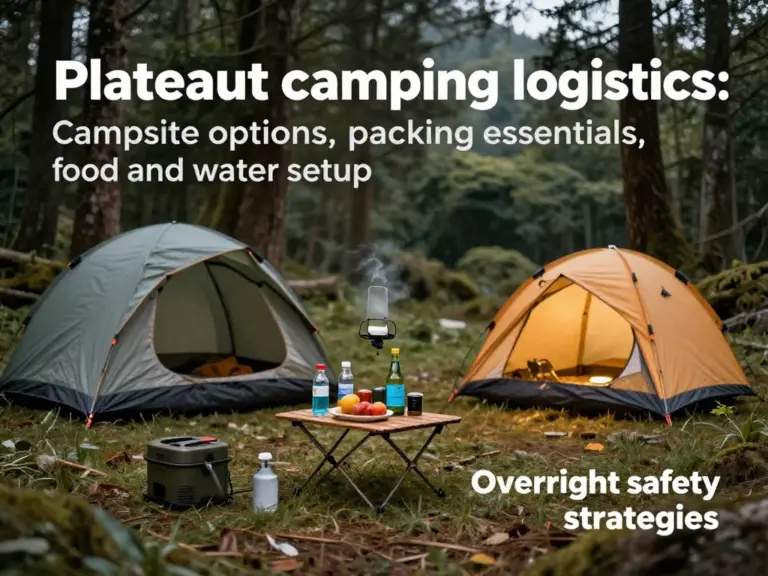
When it comes to Camping Logistics on the Plateau, your choice of campsite dictates your entire gear strategy. In Thailand, plateau camping generally falls into two categories: Managed National Park Sites and Remote Backcountry Sites.
- Managed Sites: These often feature leveled ground, shared bathroom facilities, and sometimes even small visitor centers where basic supplies can be purchased.
- Remote Sites: These require total self-sufficiency. You must carry everything in and out, adhering strictly to ‘Leave No Trace’ principles.
Choosing the right spot involves looking for natural windbreaks and avoiding low-lying areas where cold air settles or water collects during a sudden downpour.
What to Pack: The Essential Plateau Gear List
The plateau environment is characterized by extreme temperature fluctuations. A sunny 30°C afternoon can quickly drop to a chilly 10°C or lower after sunset. Your packing list must reflect this versatility.
| Category | Essential Items | Priority |
|---|---|---|
| Shelter | 4-Season Tent, Ground Sheet, Lightweight Stakes | High |
| Sleep System | Sleeping Bag (rated to 5°C), Insulated Mat, Inflatable Pillow | High |
| Clothing | Moisture-wicking base layers, Fleece jacket, Rain shell | Medium |
| Tools | Headlamp (extra batteries), Multi-tool, Power bank | Medium |
Don’t forget specialized footwear. Plateau terrain is often rocky and uneven; sturdy hiking boots with ankle support are non-negotiable for preventing injuries far from medical help.
Food & Water Strategies for High Altitudes
Hydration is the most critical aspect of Camping Logistics on the Plateau. High altitudes and dry air can lead to rapid dehydration. Aim to drink at least 3-4 liters of water daily. Since water sources can be scarce or contaminated by wildlife, carrying a portable filtration system or purification tablets is vital.
For food, focus on calorie-dense, lightweight options. Dehydrated meals, nuts, and dried fruits provide the energy needed for trekking without adding significant weight to your pack. If cooking, remember that water boils at a lower temperature at higher altitudes, so cooking times for grains and pasta will be longer.
Overnight Safety and Environmental Ethics
Safety on the plateau involves managing both the elements and the local fauna. Always secure your food in bear-proof containers or hang it away from your sleeping area to discourage visits from wild boars or smaller scavengers.
Be prepared for sudden weather changes. Thunderstorms on a flat plateau offer little cover, making lightning a real threat. If a storm approaches, avoid standing near the tallest trees or isolated peaks. Finally, always share your itinerary with park rangers or family members before heading out.
คำถามที่พบบ่อย (FAQ)
- What is the best time of year for plateau camping in Thailand? The best time is during the cool, dry season from November to February when temperatures are manageable and the risk of rain is low.
- Do I need a permit for plateau camping? Most plateaus in Thailand are within National Parks and require an entry fee and sometimes a specific camping permit obtained at the visitor center.
- How do I manage waste on a plateau? You must pack out everything you pack in. Use designated waste bins at managed sites, or carry a dedicated trash bag for backcountry areas.
- Is it safe to drink water from plateau streams? It is generally unsafe due to potential parasites. Always boil, filter, or chemically treat water before consumption.
References
- Department of National Parks, Wildlife and Plant Conservation (Thailand)
- Leave No Trace Seven Principles – Center for Outdoor Ethics
- Tourism Authority of Thailand (TAT) Official Website
- Phu Kradueng Summit Trek: Complete Logistics, Best Seasons, and Practical Camping Tips for a Safe Hike
- Best Times to Visit Phu Kradueng — Seasonal Weather, Crowds, and When Trails Are Most Accessible
- How to Plan Your Trek — Permits, Transport, Park Fees, and Ideal 2–3 Day Itineraries to Reach the Summit