Why choose a community forest trek in Mae Wang with Karen guides — benefits, best seasons, and how it supports local communities
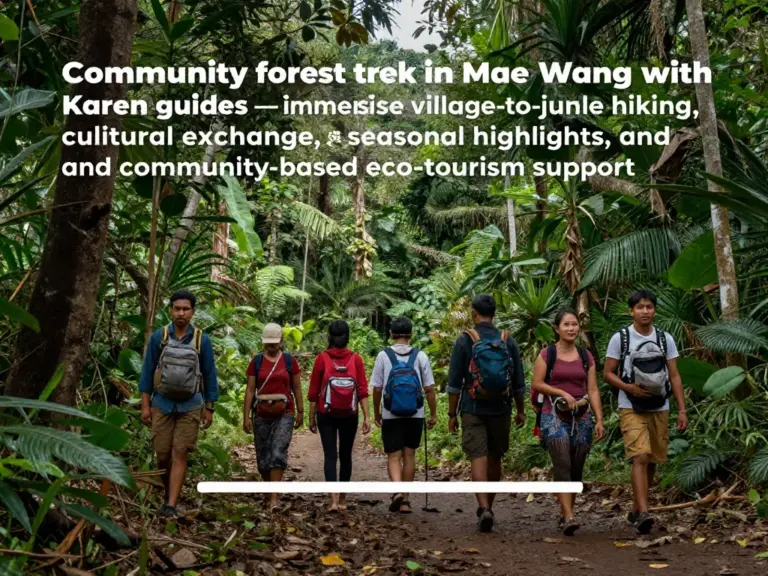
Embarking on a community forest trek in Mae Wang is more than just a hike through the lush jungles of Northern Thailand; it is an immersive journey into the heart of Karen culture and sustainable living. Located just a short drive from Chiang Mai, Mae Wang offers a rugged landscape of cascading waterfalls, towering bamboo groves, and ancient forest trails. By choosing to trek with local Karen guides, travelers unlock a deeper understanding of the ecosystem while ensuring their tourism dollars directly benefit the people who call these mountains home.
The Unique Benefits of Trekking with Karen Guides
The Karen people have resided in the mountains of Mae Wang for generations. Their connection to the land is profound, and this expertise transforms a standard walk into an educational odyssey. When you choose a community forest trek in Mae Wang, your guide isn’t just showing you a path; they are sharing their heritage.
- Botanical Knowledge: Learn about medicinal plants, edible wild fruits, and traditional survival skills.
- Authentic Stories: Hear folklore and history that you won’t find in any guidebook.
- Hidden Gems: Access secluded waterfalls and viewpoints known only to the locals.
How Your Trek Supports Local Communities
Choosing a community-led trek is a powerful act of responsible tourism. Unlike large-scale tour operators, community forest initiatives ensure that the revenue remains within the village. This financial support helps maintain local infrastructure, funds education for Karen children, and provides an alternative to destructive agricultural practices. By valuing the standing forest as a tourism asset, the community is incentivized to protect biodiversity against illegal logging and poaching.
| Impact Area | How Your Visit Helps |
|---|---|
| Economic | Direct income for guides, porters, and homestay hosts. |
| Environmental | Funds forest restoration and wildfire prevention patrols. |
| Cultural | Preserves traditional weaving and farming techniques for younger generations. |
Best Seasons for a Community Forest Trek in Mae Wang
Timing is essential to maximize your experience in the Mae Wang valley. Each season offers a distinct atmosphere:
- The Cool Season (November – February): The most popular time. The weather is crisp, the skies are clear, and the trekking temperatures are perfect.
- The Rainy Season (June – October): The forest is at its most vibrant green. Waterfalls are thunderous and spectacular, though trails can be slippery.
- The Summer Season (March – May): It can be hot, but the higher elevations of Mae Wang remain cooler than the city. This is the time to see unique forest blossoms.
คำถามที่พบบ่อย (FAQ)
Q1: Is the trek in Mae Wang difficult?
A: Most community forest treks in Mae Wang are of moderate difficulty. However, routes can be customized by your Karen guides to match your fitness level.
Q2: What should I pack for a Mae Wang trek?
A: Essential items include sturdy hiking boots, insect repellent, a reusable water bottle, and a light raincoat if traveling during the monsoon season.
Q3: How does this trek differ from standard tours?
A: Standard tours often focus on generic sights. A community forest trek focuses on the relationship between the Karen people and their environment, emphasizing sustainability and cultural depth.
Q4: Can I stay overnight in the village?
A: Yes, many community programs offer homestays, providing a rare opportunity to share a meal and live with a Karen family.
References
Tourism Authority of Thailand
UNESCO Sustainable Tourism Resources
- Community forest trek with Karen guides in Mae Wang Chiang Mai: Complete planning, sustainable experiences, and cultural insights
- What to expect on the trail — typical itinerary, difficulty, wildlife, and scenic highlights of Mae Wang community forests
- Practical planning and logistics — how to book, what to pack, safety, permits, transport from Chiang Mai, and recommended duration