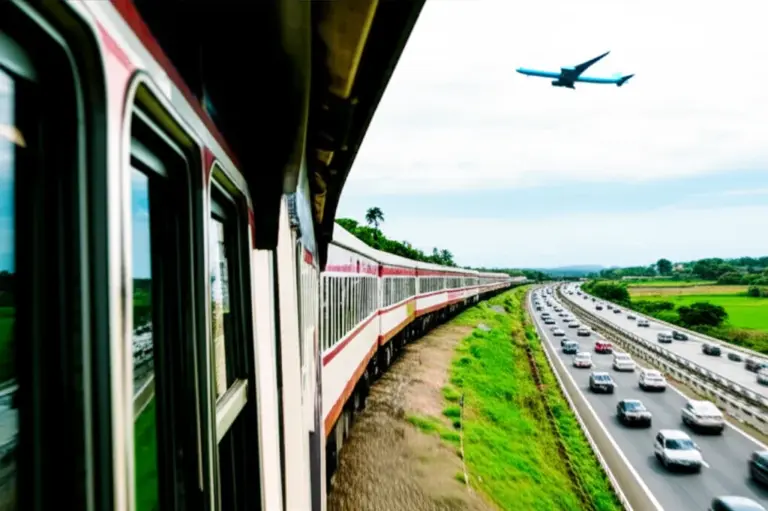
Why choose train travel from Bangkok? Benefits, carbon savings, and how it compares to driving or flying
- Why choose train travel from Bangkok? Benefits, carbon savings, and how it compares to driving or flying
For the modern traveler navigating the vibrant landscapes of Thailand, the decision of how to travel between major hubs is crucial. While flying offers speed and driving promises flexibility, there is an increasingly compelling argument for choosing train travel from Bangkok. Beyond merely getting from Point A to Point B, rail journeys in Thailand offer a unique blend of cultural immersion, unparalleled scenic beauty, and significant environmental advantages. This guide breaks down the substantial benefits of opting for the rails over the road or the sky when exploring the Land of Smiles.
The Allure of the Rails: Why Thailand’s Trains Capture the Traveler’s Heart
Train travel is fundamentally different from other modes of transit. It forces you to slow down, observe the transition of landscapes, and interact with local life. This slower pace is often what travelers seek when escaping the hurried pace of modern life.
Authentic Experience Over Speed
When you take the overnight train north to Chiang Mai or south to the islands, you are not merely moving across geography; you are experiencing the country’s backbone. You pass through rice paddies, small rural stations where vendors sell local snacks, and glimpse daily life that remains invisible from 30,000 feet or a busy motorway.
Comfort and Convenience of Overnight Journeys
One of the greatest advantages, particularly for long-haul routes, is the sleeper car. Booking a first-class (private cabin) or second-class (berth) sleeper means you save the cost of one night’s accommodation while waking up refreshed at your destination. It’s efficient time management wrapped in comfort.
Quantifying the Green Choice: Carbon Savings of Train Travel
In an era dominated by climate consciousness, travelers are actively seeking ways to reduce their environmental impact. Rail travel consistently emerges as the most sustainable option for medium to long-distance journeys. For those prioritizing eco-friendly tourism, choosing train travel from Bangkok is a clear ethical choice.
Comparing Emissions: Rail vs. Road vs. Air
The difference in carbon output is stark. While precise figures vary based on occupancy and fuel source, general consensus shows:
- Train Travel: Generates significantly lower CO2 emissions per passenger kilometer than both cars and planes, especially on electrified routes or modern diesel trains.
- Driving: Emissions depend heavily on vehicle efficiency and occupancy, but generally produce far more pollution per person than a full train.
- Flying: Aviation is the most carbon-intensive mode per passenger mile, making short-haul domestic flights a major contributor to travel footprints.
By choosing the train for your journey from Bangkok to destinations like Ayutthaya or Nakhon Ratchasima, you are actively participating in responsible tourism, lessening congestion, and supporting lower-emission infrastructure development in Thailand.
Head-to-Head Comparison: Train vs. Driving vs. Flying
To make an informed decision, travelers must weigh the trade-offs between the three main options available when choosing train travel from Bangkok.
Speed and Efficiency Metrics
| Mode | Travel Time (BKK to Chiang Mai) | Total Time Cost (Door-to-Door) |
|---|---|---|
| Train (Overnight) | Approx. 12–14 hours | Low (Travel while sleeping) |
| Flying | Approx. 1 hour 15 mins (Flight time only) | High (2 hrs check-in + airport transfers) |
| Driving | Approx. 10–12 hours (Non-stop) | Medium (Requires frequent stops/fatigue management) |
Cost Analysis: Tickets vs. Fuel/Fares
Generally, the train offers excellent value. A second-class sleeper ticket is often comparable in price or slightly cheaper than booking a budget flight once baggage fees and airport transfers are factored in. Driving introduces variable costs like fuel, tolls, and potential parking fees at the destination, which can quickly exceed the cost of a pre-booked rail ticket.
Scenic Value and Immersion
This is where the train dominates. Flying offers clouds; driving offers highways. The train offers valleys, remote villages, and the chance to watch the Thai countryside unfold in real-time. It’s an experience, not just transportation.
Essential Tips for Choosing Train Travel from Bangkok
While the decision leans toward the train, preparation is key, especially given that the network is undergoing modernization. Here is essential advice for maximizing your rail journey:
- Book Early for Sleepers: Popular routes, especially the overnight sleeper services to Chiang Mai and the south, sell out weeks in advance. Book via the official SRT website or authorized agents as soon as your dates are firm.
- Know Your Station: Most long-distance trains depart from Krung Thep Aphiwat Central Terminal (Bang Sue Grand Station), not the old Hua Lamphong station. Always verify your departure point.
- Embrace the Second Class Fan: While air-conditioned cars are available, the second-class fan carriages offer an unfiltered, extremely affordable, and often highly social travel experience.
To truly appreciate the journey, watch this quick overview of what it’s like to travel the northern line:
Ultimately, choosing train travel from Bangkok is choosing depth over speed. It is a nod to sustainable travel practices while unlocking the authentic heart of Thailand, one scenic mile at a time.
คำถามที่พบบ่อย (FAQ)
Is the overnight train in Thailand safe for solo female travelers?
Yes, the overnight sleeper trains, particularly in first and second-class air-conditioned berths, are generally considered very safe. Staff are present, and cabins lock securely. It is recommended to book second-class women-only carriages if available for extra peace of mind.
Can I book train tickets directly at the station in Bangkok?
Yes, you can purchase tickets at the station (primarily Krung Thep Aphiwat Central Terminal). However, for popular routes during peak season (November to February), booking online or through an authorized agent 30 days in advance is highly recommended to secure sleeper berths.
Which train route from Bangkok offers the best scenery?
The route heading north towards Chiang Mai is renowned for its stunning mountain passes, particularly in the sections approaching Lampang and Lamphun. The journey south toward Surat Thani also features beautiful coastal views as it approaches the peninsular region.
References
- Low-carbon day trips from Bangkok by train: Sustainable escapes for eco-conscious travelers
- Top low-carbon destinations reachable by train: routes, travel times, and what to see (Ayutthaya, Kanchanaburi, Amphawa, Lopburi)
- Planning your eco-friendly day trip: timetables, ticket tips, packing light, and sustainable local transport options