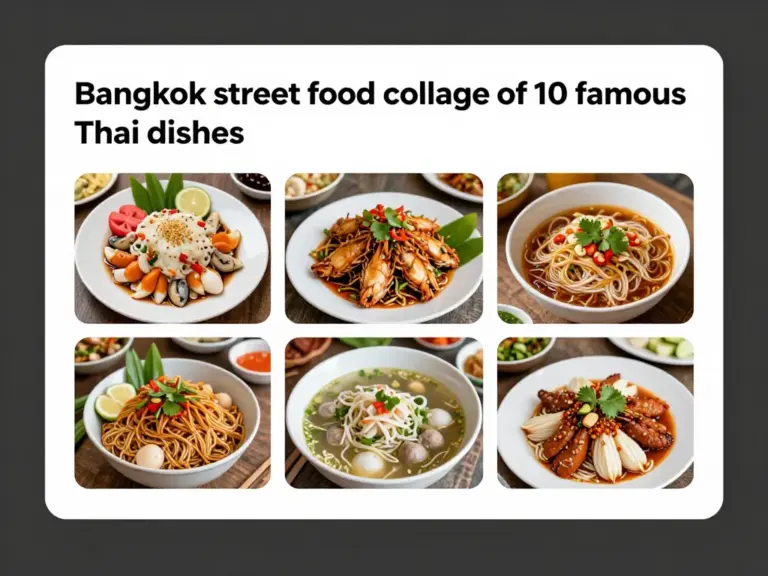
What to Eat in Bangkok: 10 Famous Thai Dishes You Must Try
When travelers arrive in Thailand’s bustling capital, the first question on everyone’s mind is inevitably: What to eat in Bangkok? The city is widely regarded as one of the world’s greatest food capitals, offering everything from humble street-side stalls to Michelin-starred dining rooms. Whether you are navigating the chaotic alleys of Yaowarat or sitting in an air-conditioned mall, the depth of flavor—balancing sweet, sour, salty, and spicy—is unparalleled. This guide explores 10 iconic dishes that define the Bangkok culinary experience.
What to Eat in Bangkok: The Culinary Landscape of Bangkok
Bangkok’s food scene is a complex ecosystem. It is not just about the ingredients; it is about the technique and the accessibility. You can find a world-class meal for less than two dollars, or spend an evening exploring refined royal Thai cuisine. Understanding what to eat in Bangkok requires a willingness to step out of your comfort zone, embrace the humidity, and follow the crowds of locals.
10 Must-Try Thai Dishes in Bangkok
To help you navigate the endless menus, we have compiled a list of dishes that are quintessential to the city. These are not merely tourist favorites; they are the backbone of daily life for Bangkokians.
1. Pad Thai
Perhaps the most famous export, Pad Thai is stir-fried rice noodles with eggs, tofu, tamarind pulp, fish sauce, dried shrimp, garlic, and red chili pepper. Served with lime wedges and crushed peanuts, it is the perfect introduction to Thai flavors.
2. Tom Yum Goong
This hot and sour soup with shrimp is an aromatic masterpiece. Infused with lemongrass, galangal, kaffir lime leaves, and bird’s eye chili, it offers a fragrant, spicy kick that is deeply satisfying.
3. Som Tum (Papaya Salad)
Originating from Isan, this spicy green papaya salad is pounded in a mortar and pestle. It combines shredded raw papaya, tomatoes, carrots, peanuts, shrimp, and lime juice. It is incredibly refreshing and usually served with sticky rice.
4. Massaman Curry
A milder, richer curry influenced by Persian flavors. It features potatoes, onions, and peanuts simmered in coconut milk with cardamom, cinnamon, and star anise. It is comforting and perfect for those who prefer less heat.
5. Pad Kra Pao
Often called the “go-to” meal for locals, this stir-fry consists of holy basil, minced pork or chicken, and plenty of chili. It is typically served over rice and topped with a crispy-edged fried egg (kai dao).
6. Khao Pad (Thai Fried Rice)
Simple, reliable, and delicious. Thai fried rice usually includes jasmine rice, egg, onions, and a choice of meat, often accompanied by cucumber slices and a wedge of lime to brighten the flavor.
7. Mango Sticky Rice (Khao Niew Mamuang)
The king of Thai desserts. Sweet, ripe yellow mango is served alongside glutinous rice soaked in coconut milk. It is the ultimate comfort food for a warm Bangkok evening.
8. Boat Noodles (Kuay Teow Reua)
Historically sold from boats on the canals, this rich, dark noodle soup is flavored with pig or cow blood, giving it a thick, savory depth. It is usually served in small bowls, allowing you to try multiple variations.
9. Moo Ping
Grilled pork skewers marinated in coconut milk, garlic, and cilantro root. You will find these on street corners everywhere, usually paired with a small bag of sticky rice.
10. Tom Kha Gai
A creamy chicken soup made with coconut milk. It is less spicy than Tom Yum and features a distinct, smooth texture highlighted by galangal and lemongrass.
Quick Comparison of Flavors
| Dish | Primary Flavor | Heat Level |
|---|---|---|
| Pad Thai | Sweet/Sour | Low |
| Tom Yum Goong | Sour/Spicy | High |
| Som Tum | Sour/Spicy | Very High |
| Massaman Curry | Sweet/Savory | Low |
| Pad Kra Pao | Savory/Spicy | High |
Practical Tips for Food Exploration
When deciding what to eat in Bangkok, consider these tips to enhance your journey:
- Follow the Locals: If there is a queue of locals, the food is almost certainly worth the wait.
- Adjust the Spice: Do not be afraid to ask for “mai phet” (not spicy) if you have a low tolerance, though be aware that “not spicy” in Thailand can still have a kick.
- Hydration: Always carry water. The combination of chili and humidity can be intense.
- Hygiene: Use the provided utensils; most street vendors clean them in boiling water, which is standard practice.
Conclusion
Bangkok is a city that rewards the curious eater. By trying these 10 dishes, you gain more than just a full stomach; you gain an understanding of the culture, history, and heart of Thailand. Whether you are grabbing a quick lunch at a roadside cart or sitting down for a refined dinner, the memories made through these flavors will likely be the highlight of your trip. Enjoy your culinary exploration of this vibrant city.
Frequently Asked Questions (FAQ)
A: Yes, generally. Choose busy stalls where food is cooked fresh in front of you. High turnover ensures ingredients are fresh.
Q: What is the best way to handle the spice in Thai food?
A: Order dishes with “mai phet” (no spice) or keep a glass of milk or a sweet drink nearby. Avoid drinking water immediately, as it can sometimes spread the capsaicin.
Q: Do I need to make reservations for popular restaurants?
A: For high-end or Michelin-recommended restaurants, yes. For street food and casual local eateries, walk-ins are the standard.