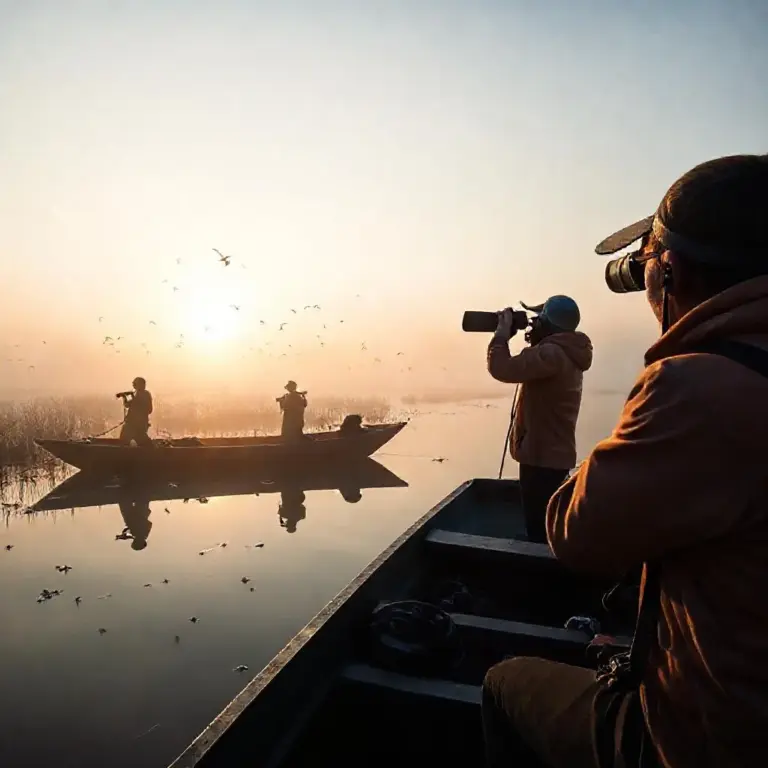
Birdwatching at Bung Boraphet: Dawn Trip Guide for Winter Migrants — Best Times, Species, Routes, and Photography Tips
- Birdwatching at Bung Boraphet: Dawn Trip Guide for Winter Migrants — Best Times, Species, Routes, and Photography Tips
Welcome to the heart of Thailand’s freshwater ecosystem, Bung Boraphet, often hailed as the ‘Jewel of the Central Plains.’ For seasoned birders and passionate nature tourists alike, planning a successful birdwatching at Bung Boraphet trip requires precision, especially when targeting the spectacular influx of winter migratory birds. This comprehensive guide details everything you need to know—from the optimal dawn timings and essential routes to the species you cannot miss and pro photography advice. Prepare your binoculars; the early bird truly gets the best sightings!
Why Bung Boraphet is a Premier Birding Destination
Bung Boraphet, located primarily in Nakhon Sawan Province, is the largest freshwater swamp in Thailand. Its vast expanse of marshland, open water, and surrounding reed beds create a vital stopover and wintering ground for thousands of avian species. Its importance is recognized internationally, making it a crucial site for conservation and birdwatching tourism.
The Migratory Season Advantage
The primary appeal for birders is the arrival of Palaearctic migrants. The best period for observing these transient visitors runs from October through to March. During these cooler months, the water levels stabilize, and the density of food sources peaks, attracting species that travel thousands of kilometers.
Planning Your Dawn Trip: Timing is Everything
The term ‘dawn trip’ is not arbitrary at Bung Boraphet. Bird activity is highest during the crepuscular hours—the transition periods between night and day. To maximize your sightings, adherence to a strict early schedule is paramount.
Optimal Timing Breakdown
- Arrival: Aim to be at the main entrance or designated boat pier by 05:30 AM. This allows you time to organize transport and be positioned before sunrise.
- Golden Hour Bird Activity: The period from 06:00 AM to 08:00 AM is when most waterbirds become active, foraging, preening, and taking their first flights.
- Mid-Morning Retreat: After 09:30 AM, the tropical heat rises, causing many birds to retreat into denser cover, making sightings significantly harder.
Essential Routes and Viewing Areas
Navigating Bung Boraphet effectively requires local knowledge. While you can explore from the edges, the best way to experience the swamp is via guided boat tours that penetrate the interior waterways.
1. The Main Visitor Center & Tower
The observation tower offers a panoramic view, excellent for spotting large flocks flying overhead or resting on distant water surfaces. This is a good starting point for identifying general activity patterns.
2. Guided Longtail Boat Tours (Recommended)
Hiring a local guide is invaluable. They know the channels where specific species roost. Look for routes that explore the dense reed beds and shallow mudflats, as these areas attract waders and secretive marsh birds.
Location Map
Target Species: What to Look for During Winter Migration
The sheer diversity is staggering, but focused searching will yield incredible results. The following species are highlights of the winter migration season, making the effort of your birdwatching at Bung Boraphet trip worthwhile.
Waterfowl and Waders
| Species Group | Key Migrants to Spot | Habitat Preference |
|---|---|---|
| Ducks & Geese | Northern Pintail, Garganey, Common Teal | Open water, shallow pools |
| Herons & Storks | Black-headed Ibis, Asian Openbill (resident/local migrant) | Mudflats, edges of vegetation |
| Waders | Temminck’s Stint, various Sandpipers | Shoreline margins |
Raptors and Special Sightings
Keep an eye skyward, as raptors use the area as a hunting ground. The rare and sought-after Eastern Imperial Eagle has been recorded here, though sightings are infrequent. More common raptors include various harriers patrolling the grasslands bordering the swamp.
Mastering Bird Photography at Bung Boraphet
Capturing sharp images of wary waterbirds requires specific techniques, especially when dealing with low morning light and the movement of boats.
Essential Gear and Settings
- Telephoto Lens: A minimum focal length of 400mm is highly recommended to bring distant subjects closer without disturbing them.
- Fast Shutter Speed: To freeze the motion of birds taking flight or dipping for food, aim for 1/1000th of a second or faster, especially as the light improves.
- ISO Management: Utilize the higher ISO capabilities of modern cameras to compensate for the low light before 7:00 AM.
Harnessing the Dawn Light
The best photographic light occurs just as the sun breaks the horizon. Position yourself so the sun is behind you or to the side, illuminating the bird’s plumage beautifully. Avoid shooting directly into the rising sun unless you are aiming for a dramatic silhouette.
To truly appreciate the sounds and atmosphere of this incredible location, here is a short video showcasing the environment:
E-E-A-T: Expert Advice for Responsible Birding
As experts in Thai ecotourism, we emphasize responsible observation. Maintaining a respectful distance is crucial to avoid stressing the birds, especially during critical feeding or roosting times. Always use local, licensed guides who understand the environmental regulations protecting this vital wetland.
Essential Packing Checklist
Wear This:
- Neutral-colored, lightweight clothing (greens, browns).
- Sturdy, waterproof footwear.
- Wide-brimmed hat.
Bring This:
- High-quality binoculars (8×42 or 10×42 recommended).
- Sunscreen and insect repellent.
- Plenty of water and light snacks.
คำถามที่พบบ่อย (FAQ)
Here are answers to common queries regarding birdwatching at Bung Boraphet.
How do I get to Bung Boraphet from Bangkok?
Bung Boraphet is approximately a 3 to 4-hour drive north of Bangkok. The easiest method is to hire a private car or join an organized tour. Public transport options involve taking a bus to Nakhon Sawan city and then a local taxi to the wetlands entrance.
Are there accommodation options near the site?
While the site itself is remote, there are several mid-range hotels and guesthouses available in the nearby Nakhon Sawan city center, which is about 20-30 minutes drive from the main birding entry points.
Is the site accessible during the rainy season (June to September)?
Birding is possible year-round, but the migratory bird spectacle significantly diminishes during the monsoon season. Boat access can also be restricted due to very high water levels, making the observation tower a better, albeit less immersive, option.
Do I need to speak Thai to organize a boat tour?
While many guides speak limited English, having a Thai-speaking companion or pre-booking through an established English-speaking tour operator in Bangkok is highly recommended to ensure smooth communication regarding specific birding locations and timings.
What is the best way to learn more about bird conservation efforts here?
Inquire at the main visitor center. They often have local volunteers or staff who can provide information on current conservation projects and recent rare sightings. Supporting local guides financially is also a direct way to contribute to the local economy that relies on responsible tourism.
References
- When to Visit Bung Boraphet for Winter Migrants: Peak Seasons, Dawn Timing, and Weather Considerations
- Which Migratory Birds You’ll See at Dawn: ID Guide to Common Winter Visitors, Calls, and Behavior
- Best Routes and Viewing Spots for a Dawn Trip: Boat, Boardwalks, and Access Points for Optimal Sightings