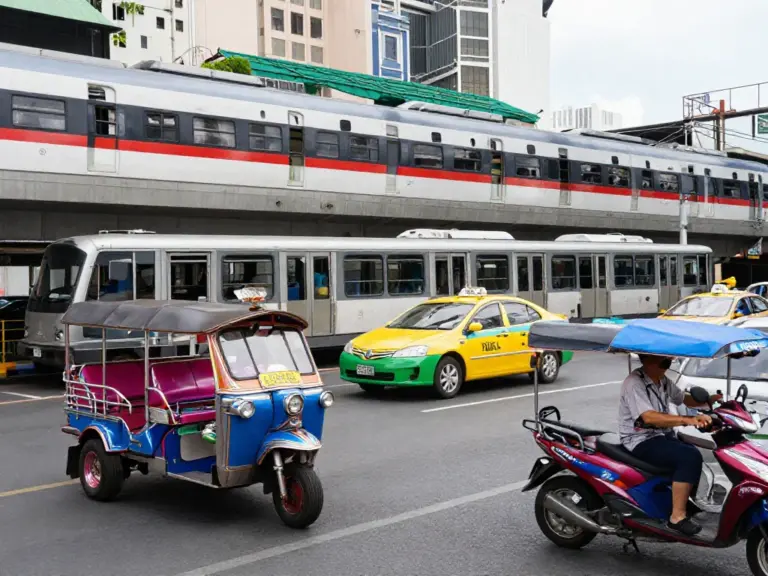
Getting Around Thai Cities: BTS, MRT, Tuk-Tuks, Taxis, Motorbike Taxis, and Ride-Hailing Apps
Planning a trip to the Land of Smiles? Getting Around Thai Cities can feel like a chaotic adventure at first glance, but with a little insider knowledge, it becomes a seamless part of the experience. From the sleek, air-conditioned trains of Bangkok to the iconic, open-air thrill of a tuk-tuk, understanding your transport options is key to maximizing your vacation time. This guide breaks down the essential modes of transport you will encounter, ensuring you navigate like a seasoned pro.
The Backbone of Bangkok: BTS Skytrain and MRT Subway
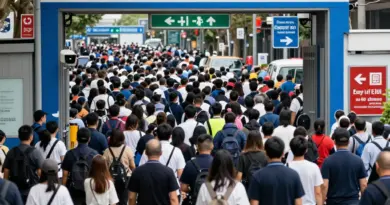
When navigating the capital, the rail networks are your best friends. The BTS Skytrain runs above ground, offering fantastic views and bypassing the notorious Bangkok traffic. It is clean, fast, and connects major shopping districts like Siam and Sukhumvit. The MRT Subway, on the other hand, operates underground and is excellent for reaching areas like Chinatown (Yaowarat) and the Riverside. Both systems use contactless cards or single-journey tokens, making them incredibly tourist-friendly.
Taxis and Ride-Hailing Apps: Comfort and Convenience
For door-to-door comfort, taxis are ubiquitous. In Bangkok, always insist that the driver turns on the meter. If they refuse, simply politely decline and hail the next one. However, the modern traveler often prefers ride-hailing apps like Grab or Bolt. These apps provide transparent pricing, safety tracking, and eliminate language barriers, as you input your destination directly into the app. They are highly recommended for those traveling in groups or carrying luggage.
The Iconic Tuk-Tuk and Motorbike Taxis
No trip to Thailand is complete without a ride in a Tuk-Tuk. While they are more of a fun, short-distance experience than a primary mode of transport, be sure to negotiate the price before you get in. For navigating through heavy traffic, especially for solo travelers, motorbike taxis (often wearing orange vests) are the fastest option. They weave through gridlock with ease, though they are only recommended for short distances and if you are comfortable with the speed.
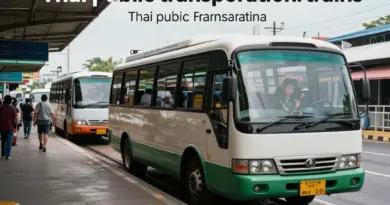
While Bangkok has the most complex infrastructure, cities like Chiang Mai rely heavily on Songthaews (red trucks). These function as shared taxis; you flag them down, tell the driver your destination, and if they are headed that way, hop in the back. It is a very affordable and communal way to see the city. Always confirm the price per person before boarding.
คำถามที่พบบ่อย (FAQ)
Q: Should I use Grab or regular taxis in Bangkok?
A: Both are good. Grab is safer and more convenient if you don’t speak Thai, while street taxis are cheaper if you insist on the meter.
Q: Are BTS and MRT connected?
A: Yes, they have several interchange stations where you can switch lines, though you usually need separate tickets for each system unless you have a Rabbit card for BTS.
Q: Is it safe to ride motorbike taxis?
A: They are generally safe for locals and experienced travelers, but always ask for a helmet and ensure you are comfortable with the driver’s speed.