On the Trail: Step-by-Step Jungle Trek Directions, Difficulty, Safety Tips, Local Flora & Fauna to Watch For
Embarking on a jungle trek in Thailand is an exhilarating experience that connects you with the raw beauty of Southeast Asia’s tropical landscapes. Whether you are navigating the dense forests of Chiang Mai or the ancient rainforests of Khao Sok, having clear jungle trek directions and a solid safety plan is essential for a successful journey. This guide provides a comprehensive roadmap for hikers looking to explore the wild responsibly and safely.
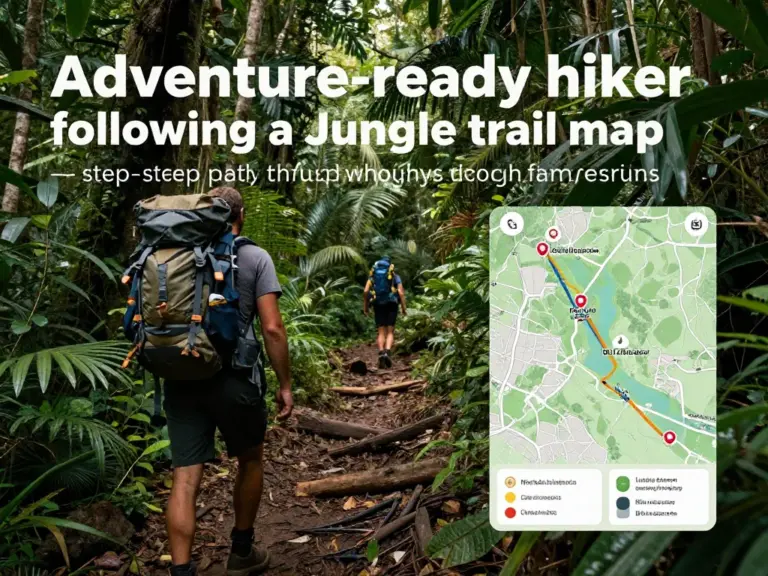
Navigating a tropical jungle is vastly different from hiking in temperate pine forests. The canopy often obscures the sun, making traditional orientation difficult. Follow these steps to stay on course:
- Identify the Trailhead: Most treks start near local villages or National Park ranger stations. Ensure you have registered your entry.
- Monitor Trail Markers: Look for colored ribbons or notches on trees. In Thailand, trails are often marked by the Department of National Parks (DNP).
- Use Digital and Physical Maps: Download offline maps via apps like AllTrails or Gaia GPS, but always carry a physical topographic map and a compass as backup.
- Track Your Elevation: Jungle trails often involve steep ascents and descents. Monitoring your altimeter helps confirm your position on a contour map.
Assessing Difficulty Levels
Understanding the difficulty of your chosen route is paramount. Jungle treks are generally categorized into three levels:
| Level | Terrain Description | Fitness Required |
|---|---|---|
| Easy | Well-maintained flat paths, short distances. | Low – Suitable for families. |
| Moderate | Uneven ground, some steep inclines, 4-6 hours. | Medium – Regular hikers. |
| Challenging | Dense overgrowth, river crossings, 8+ hours. | High – Experienced trekkers. |
Essential Safety Tips for the Tropics
Safety in the jungle is about preparation and awareness. The heat and humidity are your primary adversaries.
- Hydration: Carry at least 3 liters of water. Use electrolyte powders to replace salts lost through sweat.
- Leech Protection: In damp conditions, leeches are common. Wear long socks and apply leech repellent or tobacco water.
- Wildlife Protocol: Never approach wild animals. If you encounter a snake, remain still and let it pass; most bites occur when people try to move or kill the snake.
- Emergency Contact: Share your itinerary with a third party and know the local emergency number (Tourist Police: 1155).
Local Flora & Fauna to Watch For
Thailand’s jungles are biodiversity hotspots. Keep your eyes peeled for these incredible species:
Flora
- Rafflesia: Known as the world’s largest flower, found in southern Thailand.
- Strangler Figs: Massive trees that grow around host trees, creating intricate lattice structures.
- Wild Orchids: Vibrant blooms that often hang from the canopy.
Fauna
- Gibbons: Listen for their melodic morning calls echoing through the trees.
- Hornbills: Large, majestic birds with distinct casques on their beaks.
- Clouded Leopards: Extremely rare and elusive, but their tracks may be spotted in deep forest.
คำถามที่พบบ่อย (FAQ)
Q: What is the best time of year for jungle trekking in Thailand?
A: The cool, dry season from November to February is ideal, as trails are less slippery and the temperature is manageable.
Q: Do I need a guide for jungle trek directions?
A: For deep jungle routes or National Parks like Khao Yai, a local guide is highly recommended and often mandatory for safety and navigation.
Q: What should I wear for a jungle trek?
A: Lightweight, moisture-wicking clothing, long pants to protect against scratches and insects, and sturdy hiking boots with good grip.
References
Tourism Authority of Thailand (TAT)
Department of National Parks, Wildlife and Plant Conservation
- Jungle trek to Khlong Chao Waterfall and Safe Jump Pools on Ko Kut: Complete Guide for Adventure Seekers and Families
- Preparing for the Trek: How to Get to Ko Kut, Best Trails to Khlong Chao, Permits, What to Pack and When to Go
- Khlong Chao Waterfall Experience: Best Viewing Points, Swimming Areas, Safe Jump Pools, Age and Skill Recommendations