Day 4–6: Northern Adventure in Chiang Mai — How to Travel There, Must-See Temples, Night Markets, Hill Tribe Tours, and Ethical Elephant Experiences
- Day 4–6: Northern Adventure in Chiang Mai — How to Travel There, Must-See Temples, Night Markets, Hill Tribe Tours, and Ethical Elephant Experiences
- Embarking on Your Northern Adventure in Chiang Mai
- Day 4: Cultural Immersion and Ancient Wonders
- Day 5: Ethical Encounters and Natural Beauty
- Day 6: Hill Tribe Heritage and Scenic Views
- Practical Tips for Your Chiang Mai Adventure
- Conclusion: A Memorable Northern Thai Journey
- คำถามที่พบบ่อย (FAQ)
- What is the best time of year to visit Chiang Mai?
- How can I ensure my elephant experience is truly ethical?
- Are hill tribe tours ethical, and what should I look for?
- What are the must-try foods in Chiang Mai?
Welcome to the enchanting heart of Northern Thailand, where ancient traditions blend seamlessly with modern charm. Chiang Mai, often referred to as the ‘Rose of the North,’ offers an unparalleled experience for travelers seeking culture, adventure, and ethical encounters. This guide focuses on an immersive 3-day itinerary (Days 4-6 of a hypothetical longer trip), ensuring your Northern Adventure in Chiang Mai is rich with discovery, from serene temples to bustling markets and heartwarming interactions with elephants. Prepare to be captivated by the city’s unique allure and the warmth of its people.
Embarking on Your Northern Adventure in Chiang Mai
Getting to Chiang Mai is part of the adventure itself, with several convenient options available depending on your starting point in Thailand or beyond. Each mode of transport offers a unique perspective of the country’s diverse landscapes.
How to Travel to Chiang Mai
- By Air: The quickest and most popular way to reach Chiang Mai (CNX) is by flying. Numerous domestic flights connect Chiang Mai with Bangkok (Suvarnabhumi BKK and Don Mueang DMK), as well as direct international flights from various Asian cities. Airlines like Thai Airways, Bangkok Airways, AirAsia, and Nok Air offer frequent services. The flight duration from Bangkok is approximately 1 hour and 15 minutes.
- By Train: For a more scenic and leisurely journey, consider the overnight train from Bangkok’s Krung Thep Aphiwat Central Terminal. The journey takes 11-15 hours, offering sleeper berths for a comfortable rest. It’s an excellent way to see the Thai countryside and immerse yourself in local travel culture.
- By Bus: Budget-conscious travelers can opt for long-distance buses from Bangkok’s Mo Chit Terminal. The journey can take 10-12 hours, with various classes of buses available, from standard to VIP, offering different levels of comfort.
Day 4: Cultural Immersion and Ancient Wonders
Begin your Chiang Mai exploration by delving into its rich spiritual heritage and vibrant evening markets. The city is home to over 300 temples, each with its unique history and architectural style. After a day of cultural discovery, the night markets offer a sensory feast.
Must-See Temples in Chiang Mai
When visiting temples, remember to dress respectfully, covering your shoulders and knees. Remove your shoes before entering temple buildings.
- Wat Phra That Doi Suthep: Perched high on a mountain overlooking the city, this is perhaps Chiang Mai’s most iconic temple. The journey up offers stunning panoramic views, and the temple itself, with its gleaming golden chedi, is a sight to behold. Arrive early to avoid crowds and witness the monks’ morning chants.
- Wat Chedi Luang: Located in the heart of the Old City, this ancient temple complex once housed the Emerald Buddha. Its towering, partially ruined chedi (pagoda) is an impressive testament to Lanna architecture and history.
- Wat Phra Singh: Also within the Old City walls, Wat Phra Singh is revered for its classic Lanna style and houses the Phra Buddha Sihing statue. The ornate viharn (assembly hall) and beautiful murals make it a must-visit.
Chiang Mai’s Vibrant Night Markets
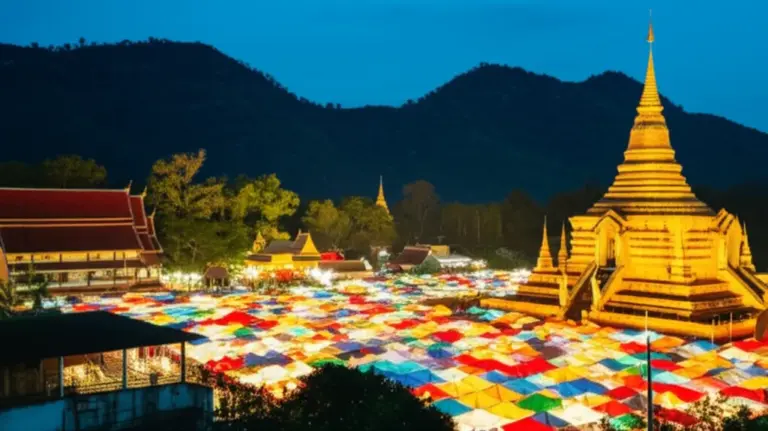
As dusk settles, Chiang Mai transforms into a bustling hub of night markets, offering everything from street food delicacies to handicrafts and souvenirs. It’s a fantastic way to experience local life and enjoy delicious Northern Thai cuisine.
- Chiang Mai Night Bazaar: A classic and popular choice, the Night Bazaar on Chang Klan Road operates nightly. Here you’ll find endless stalls selling clothing, accessories, art, and local crafts. Don’t miss the diverse food courts offering a wide array of Thai and international dishes.
- Sunday Walking Street (Tha Pae Walking Street): If your visit falls on a Sunday, this market is an absolute must-experience. Ratchadamnoen Road, from Tha Pae Gate to Wat Phra Singh, closes to traffic and becomes a pedestrian paradise. It’s larger and often features more unique, handmade goods, live music, and an incredible selection of street food.
Day 5: Ethical Encounters and Natural Beauty
A visit to Chiang Mai is incomplete without an ethical elephant experience. This day is dedicated to understanding and appreciating these magnificent creatures in a responsible environment.
Ethical Elephant Experiences
Chiang Mai is at the forefront of ethical elephant tourism, moving away from riding camps to sanctuaries focused on rescue, rehabilitation, and conservation. It’s crucial to choose a reputable sanctuary that prioritizes the elephants’ welfare above all else.
One highly recommended and widely recognized ethical sanctuary is the Elephant Nature Park (ENP). They offer various programs, from full-day visits to longer volunteer opportunities, allowing visitors to observe elephants in a natural setting without riding or forced interactions.
During your visit, you’ll learn about the elephants’ individual stories, participate in preparing their food, and observe them as they roam, play, and bathe. It’s a truly humbling and educational experience that fosters a deeper connection with these gentle giants.
Day 6: Hill Tribe Heritage and Scenic Views
On your final full day, venture into the lush mountains surrounding Chiang Mai to discover the rich cultural tapestry of the region’s hill tribes and breathtaking natural landscapes.
Exploring Hill Tribe Villages
Chiang Mai is home to several distinct hill tribes, including the Karen, Hmong, Lisu, Akha, and Lahu. Visiting their villages offers insight into their unique customs, languages, and traditional crafts. When selecting a tour, prioritize those that promote sustainable and respectful tourism, ensuring that your visit benefits the community directly and preserves their cultural integrity.
Some tours combine a visit to a hill tribe village with a trek through the surrounding jungle, providing an active way to experience the natural beauty of Northern Thailand. Look for tours that focus on cultural exchange rather than exploitative practices.
Beyond the Villages: Doi Inthanon National Park
For a truly spectacular natural experience, consider a day trip to Doi Inthanon National Park, home to Thailand’s highest peak. The park offers diverse ecosystems, stunning waterfalls like Wachirathan and Sirithan, and beautiful cloud forests. At the summit, you’ll find the majestic Twin Royal Pagodas (Phra Mahathat Naphamethanidon and Phra Mahathat Naphaphonphumisiri), built for the King and Queen, surrounded by exquisite gardens and offering incredible views.
Many tours combine a visit to a Hmong or Karen village within the park with stops at the waterfalls and the summit. This provides a comprehensive experience of both natural wonders and local culture.
Practical Tips for Your Chiang Mai Adventure
To make your Chiang Mai trip as smooth and enjoyable as possible, keep these tips in mind:
- Getting Around Chiang Mai: The Old City is walkable, but for longer distances, red songthaews (shared taxis), tuk-tuks, and ride-hailing apps like Grab are readily available. Renting a scooter is popular but requires caution and an international driving permit.
- Accommodation: Chiang Mai offers a wide range of accommodation, from budget-friendly guesthouses to luxury resorts. Consider staying within the Old City for easy access to temples and markets, or in the Nimmanhaemin area for a more modern, trendy vibe.
- Food and Drink: Don’t leave Chiang Mai without trying Khao Soi, a delicious Northern Thai curry noodle soup. Explore local street food stalls for authentic and affordable meals. Always drink bottled water.
Conclusion: A Memorable Northern Thai Journey
A Northern Adventure in Chiang Mai is an enriching experience that combines cultural immersion with natural beauty and ethical wildlife encounters. From the spiritual tranquility of its ancient temples to the vibrant energy of its night markets and the humbling moments spent with rescued elephants, Chiang Mai offers a diverse itinerary that appeals to every traveler. These three days will undoubtedly leave you with lasting memories and a deep appreciation for the unique charm of Northern Thailand.
คำถามที่พบบ่อย (FAQ)
References
- The Perfect 10-Day Thailand Itinerary: From Bangkok to Chiang Mai and the Islands — Ultimate Route, Timing, and Insider Tips for First-Time Travelers
- Day 1–3: Bangkok Essentials — Top Temples, Markets, Day Trips to Ayutthaya, Best Areas to Stay, and How to Maximize 48–72 Hours
- Day 7–8: Island Hopping Basics — Choosing Between Phuket, Krabi, Koh Samui, Koh Tao, and Travel Logistics, Best Beaches, and Snorkeling Spots