Island-Hopping in Thailand: The Ultimate Phuket Guide for Planning, Getting Around, and Finding Hidden Beaches
- Island-Hopping in Thailand: The Ultimate Phuket Guide for Planning, Getting Around, and Finding Hidden Beaches
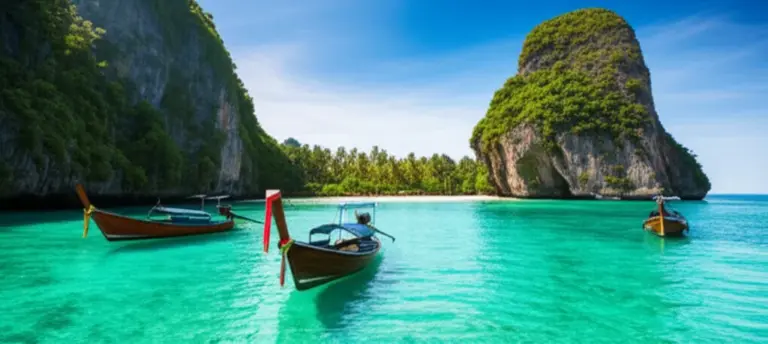
Imagine crystal-clear turquoise waters lapping against powdery white sands, dramatic limestone karsts rising majestically from the sea, and vibrant marine life teeming beneath the surface. This isn’t a dream; it’s the reality of island-hopping in Thailand, with Phuket serving as your ideal starting point. As the largest island in Thailand, Phuket is not just a stunning destination in itself, but also the perfect gateway to a myriad of breathtaking islands scattered across the Andaman Sea. This ultimate Phuket Island Hopping Guide will equip you with all the knowledge you need for planning, getting around, and discovering those hidden paradises.
Why Phuket is Your Perfect Island-Hopping Hub
Phuket’s strategic location along Thailand’s Andaman coast makes it an unparalleled base for exploring the region’s diverse island ecosystem. With an international airport (HKT) offering direct flights from around the globe, it’s easily accessible for travelers worldwide. Beyond its accessibility, Phuket boasts a well-developed tourism infrastructure, including a wide range of accommodations, dining options, and tour operators ready to facilitate your island adventures. From the bustling shores of Patong to the serene coves of the south, Phuket itself offers a taste of tropical splendor, setting the stage for even more spectacular discoveries just a boat ride away. Its proximity to world-renowned destinations like the Phi Phi Islands, James Bond Island, and the Similan Islands solidifies its reputation as the ultimate island-hopping launchpad. [4]
Planning Your Phuket Island Hopping Adventure
Best Time to Visit
The ideal time for island hopping in Phuket is during the dry season, which typically runs from November to April. During these months, you can expect clear skies, calm seas, and comfortable temperatures, perfect for boat trips, swimming, and sunbathing. The peak season, from December to February, offers the best weather but also the largest crowds. The monsoon season, from May to October, brings higher chances of rain and rougher seas, though you can often find lower prices and fewer tourists. [16]
Choosing Your Islands: A Phuket Island Hopping Guide
The Andaman Sea is dotted with countless islands, each offering a unique charm. Here’s a selection to consider for your Phuket Island Hopping Guide:
- Popular Choices:
- Phi Phi Islands: Home to the iconic Maya Bay (made famous by ‘The Beach’ movie), stunning lagoons, and vibrant nightlife. [6, 11]
- James Bond Island (Koh Tapu): Part of Phang Nga Bay, known for its dramatic limestone karsts, including the famous ‘nail island’. Often combined with a visit to the floating village of Koh Panyee. [5, 6]
- Similan Islands: A national park renowned worldwide for its pristine clear waters and exceptional diving and snorkeling opportunities, open seasonally from November to May. [6]
- Less Crowded & Hidden Gems:
- Racha Islands (Raya Yai & Raya Noi): Offering serene beaches, excellent snorkeling, and a more laid-back atmosphere than the Phi Phi Islands. [15]
- Coral Island (Koh Hey): A fantastic day trip for water sports like parasailing, sea walking, and snorkeling, with beautiful beaches. [18]
- Koh Yao Yai & Koh Yao Noi: Twin islands offering a glimpse into traditional Thai life, lush landscapes, and tranquil beaches, ideal for a peaceful escape.
- Khai Islands: Close to Phuket, perfect for families and first-time snorkelers with shallow, calm waters. [13]
Accommodation in Phuket
Phuket offers accommodation for every budget and style. Popular areas include:
- Patong: For vibrant nightlife, bustling markets, and a wide array of dining options. [15]
- Karon & Kata: Family-friendly beaches with clear waters and a more relaxed vibe than Patong. [10, 15]
- Phuket Town: For cultural immersion, historical architecture, and local cuisine, away from the main tourist beaches. [4, 19]
- Rawai & Chalong: Excellent for those planning many boat trips, with easy access to piers. [18]
Essential Packing List
Don’t forget these crucial items for your island adventures:
- Reef-safe sunscreen and a wide-brimmed hat.
- Swimwear and quick-dry clothing.
- Waterproof bag for electronics and valuables.
- Water shoes or sandals.
- Underwater camera (GoPro, etc.).
- Snorkel and mask (though often provided on tours).
Getting to Phuket
Phuket International Airport (HKT) is well-served by domestic and international flights, making it easy to reach from Bangkok, other major Thai cities, and various global hubs. From the airport, taxis, Grab cars, and airport buses are readily available to take you to your accommodation. [19]
Getting Around Phuket
Once on the island, you have several options for getting around:
- Taxis & Grab: Convenient but can be pricey. Grab (ride-hailing app) offers transparent pricing.
- Tuk-tuks: Iconic, but negotiate the fare before getting in.
- Motorbike Rentals: Popular for adventurous travelers, but exercise extreme caution due to traffic conditions. [19]
- Car Rentals: Recommended for families or those who prefer independence, especially if exploring less-traveled areas.
Island Hopping Transport Options
The mode of transport for your island excursions depends on your budget, desired comfort, and destination:
- Speedboats: Fastest option, ideal for day trips to popular islands like Phi Phi and James Bond. Available as group tours or private charters.
- Longtail Boats: Traditional Thai boats, perfect for shorter, customizable trips to nearby islands or hidden coves. Offers a more authentic experience.
- Ferries: Budget-friendly option for larger islands like Phi Phi or Koh Lanta, operating on scheduled routes.
- Organized Tours: The most convenient option, often including transfers, meals, and snorkeling gear. Many tour operators in Phuket offer a variety of packages.
Discovering Phuket’s Hidden Beaches and Secluded Coves
While Phuket’s main beaches are stunning, venturing a little further can lead you to truly hidden gems. Here are a few to seek out:
- Freedom Beach: Tucked away south of Patong, this pristine beach is accessible by longtail boat or a challenging jungle trek. Its soft white sand and clear waters are worth the effort.
- Ao Sane Beach: A small, rocky beach near Rawai, known for its excellent snorkeling right off the shore. It’s a quiet escape with a laid-back vibe.
- Nui Beach: Offering breathtaking panoramic views and a secluded atmosphere, Nui Beach is a bit harder to reach, often requiring a 4×4 or a boat from Kata or Karon. [10]
- Banana Beach (Koh Hey/Coral Island): While Coral Island is popular, its ‘Banana Beach’ offers a quieter stretch with clear waters, perfect for swimming and relaxing away from the main crowds. [18]
Sample Itineraries for Your Phuket Island Hopping
To help you visualize your adventure, here are some sample itineraries:
- 3-Day Adventure: The Essentials
- Day 1: Phi Phi Islands. Take a speedboat tour to Maya Bay, Loh Samah Bay, Pileh Lagoon, and Monkey Beach. Enjoy snorkeling and swimming.
- Day 2: James Bond Island & Phang Nga Bay. Explore the iconic karsts, visit Koh Panyee, and enjoy sea canoeing through caves.
- Day 3: Relax & Explore Phuket. Enjoy a Phuket beach (e.g., Kata or Karon), visit Big Buddha, or explore Phuket Old Town.
- 5-Day Explorer: Adding Serenity
- Days 1-2: Follow the 3-day itinerary for Phi Phi and James Bond.
- Day 3: Racha Islands. A day trip to Raya Yai and Raya Noi for exceptional snorkeling, diving, and pristine beaches.
- Day 4: Coral Island (Koh Hey). Enjoy water sports, sunbathing, and a relaxing beach day.
- Day 5: Phuket Culture & Cuisine. Explore local markets, enjoy a cooking class, or indulge in a spa treatment.
- 7-Day Ultimate Escape: Deep Dive into Paradise
- Days 1-3: Follow the 5-day itinerary for Phi Phi, James Bond, and Racha Islands.
- Day 4: Similan Islands (Seasonal). Embark on an early morning speedboat trip to this diver’s paradise for world-class snorkeling and diving.
- Day 5: Koh Yao Noi/Yai. A peaceful overnight stay to experience local life, stunning views, and quiet beaches.
- Day 6: Hidden Beaches of Phuket. Rent a longtail boat to discover Freedom Beach, Ao Sane, or Nui Beach.
- Day 7: Departure or Leisure. Enjoy a final Thai breakfast, last-minute souvenir shopping, or simply relax before departure.
Embarking on an island-hopping adventure from Phuket is an experience that promises unforgettable memories, from the iconic limestone formations of Phang Nga Bay to the vibrant underwater worlds of the Similan Islands. With this comprehensive Phuket Island Hopping Guide, you’re now equipped to plan your perfect tropical escape, discover secluded beaches, and navigate the stunning Andaman Sea with confidence. So pack your bags, don your swimwear, and prepare to be enchanted by the unparalleled beauty of Thailand’s islands!
คำถามที่พบบ่อย (FAQ)
References
- Tourism Authority of Thailand – Phuket
- Wikipedia – Phuket Province
- Visiting THE BEST ISLANDS in Phuket, Thailand (James Bond Island & Koh Panyee) – YouTube
- Top 5 Best Phuket Island Hopping Tours – YouTube
- 5 Best Island Tours in Phuket – YouTube
- Perfect Guide to 6 Days in Phuket, Phi Phi & Krabi Thailand Travel Guide – YouTube
- Phuket Boat Tour: Phi Phi, Maya Bay & James Bond Island! – YouTube
- The 4 Perfect Islands in Phuket NOBODY GOES TO (A BIG SURPRISE in Thailand) – YouTube
- PHUKET, THAILAND | 10 BEST Things To Do In & Around Phuket – YouTube
- Map of Phuket: Your Guide to Phuket Travel – Giant Stride