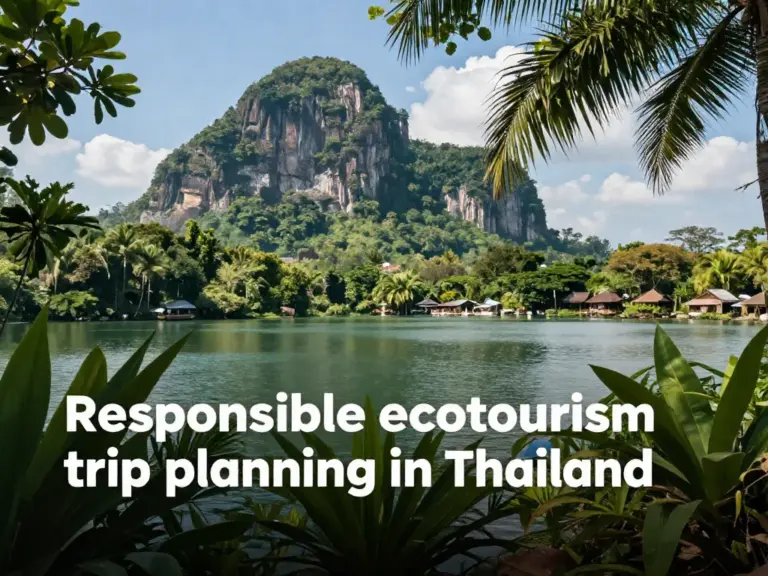
How to Plan a Responsible Ecotourism Trip in Thailand
Planning a journey to the Land of Smiles requires more than just booking flights and hotels. If you are wondering How to Plan a Responsible Ecotourism Trip in Thailand, you are taking the first step toward preserving the country’s breathtaking natural beauty and vibrant cultural heritage. Sustainable travel is not just a trend; it is a necessity to ensure that future generations can enjoy the same wonders we experience today.
Why Ecotourism Matters in Thailand
Thailand faces significant environmental challenges, from plastic pollution to habitat loss. By choosing to travel responsibly, you directly support conservation efforts and community-based tourism projects that prioritize the planet over profit. Whether you are trekking in the north or island hopping in the south, your choices leave a lasting impact on local ecosystems.
Steps to Plan Your Sustainable Journey
To create a meaningful itinerary, focus on these core pillars of responsible travel:
- Support Local: Stay in locally-owned guesthouses and eat at family-run restaurants to ensure your money stays within the community.
- Choose Ethical Encounters: Avoid any wildlife tourism that involves riding animals or forced performances. Opt for reputable sanctuaries that prioritize animal welfare.
- Reduce Waste: Carry a reusable water bottle and shopping bag. Thailand has made great strides in reducing single-use plastics, so support businesses that follow suit.
- Respect Cultural Norms: Dress modestly when visiting temples and learn basic Thai phrases to show appreciation for the local culture.
Top Eco-Friendly Destinations
Consider visiting Khao Sok National Park for incredible biodiversity or the community-led initiatives in Chiang Mai. These locations offer immersive experiences that educate travelers on conservation while providing direct support to the local inhabitants.
คำถามที่พบบ่อย (FAQ)
Q: What is the best way to travel between provinces responsibly?
A: Trains are the most environmentally friendly way to travel long distances in Thailand. They produce significantly lower carbon emissions than domestic flights.
Q: How do I identify an ethical elephant sanctuary?
A: Look for sanctuaries that do not allow riding, bathing, or circus-style tricks. The elephants should be allowed to roam freely in large, natural habitats.
Q: Is it okay to buy souvenirs from street vendors?
A: Yes, supporting local artisans is encouraged, provided the items are not made from endangered species or protected natural materials.