Saving Strategies and Money-Smart Tips in Thailand: Transportation, Food, Accommodation, and Attractions
- Saving Strategies and Money-Smart Tips in Thailand: Transportation, Food, Accommodation, and Attractions
Thailand, the ‘Land of Smiles,’ is a dream destination for many, offering a rich tapestry of vibrant culture, stunning landscapes, and delectable cuisine. While it’s possible to splurge, it’s also incredibly feasible to explore this beautiful country on a budget. This comprehensive guide will equip you with essential Saving Strategies and Money-Smart Tips in Thailand, ensuring your trip is not only memorable but also remarkably affordable. From navigating local transport to savoring street food and finding economical stays, we’ll cover every aspect to help you stretch your travel budget further. Get ready to experience Thailand without breaking the bank!
Mastering Transportation Costs in Thailand
Transportation can be a significant expense for travelers, but Thailand offers numerous budget-friendly options if you know how to utilize them effectively. Avoiding tourist traps and embracing local methods can lead to substantial savings.
Public Transit: Your Best Friend
In bustling cities like Bangkok, the BTS Skytrain and MRT subway system are your most efficient and economical choices. They offer air-conditioned comfort and bypass notorious traffic jams. For shorter distances and a more authentic experience, local buses and ‘songthaews’ (shared pick-up trucks) are incredibly cheap, though they might require a bit more navigation. In smaller towns, walking or renting a bicycle can often be sufficient and free.
Ride-Sharing Apps vs. Taxis
While taxis are ubiquitous, especially in tourist areas, they don’t always use the meter, leading to inflated fares. Instead, download ride-sharing apps like Grab or Bolt. These apps provide upfront pricing, ensuring you know the cost before you commit, and often offer better rates than traditional taxis. For short distances, motorcycle taxis (moto-taxis) are a quick and very cheap option, though less suitable for luggage.
Long-Distance Travel: Buses, Trains, and Budget Airlines
For inter-city travel, overnight buses and trains are excellent for saving money, as they combine transportation with accommodation costs. They are comfortable enough for a night’s sleep and significantly cheaper than flying. If time is of the essence, budget airlines like AirAsia, Nok Air, and Thai Lion Air offer affordable domestic flights, especially when booked in advance. Compare prices across platforms to secure the best deals.
Savoring Thailand on a Food Budget
Thai cuisine is world-renowned, and fortunately, enjoying delicious local food doesn’t have to be expensive. In fact, some of the best culinary experiences come with the smallest price tags.
Embrace Street Food Culture
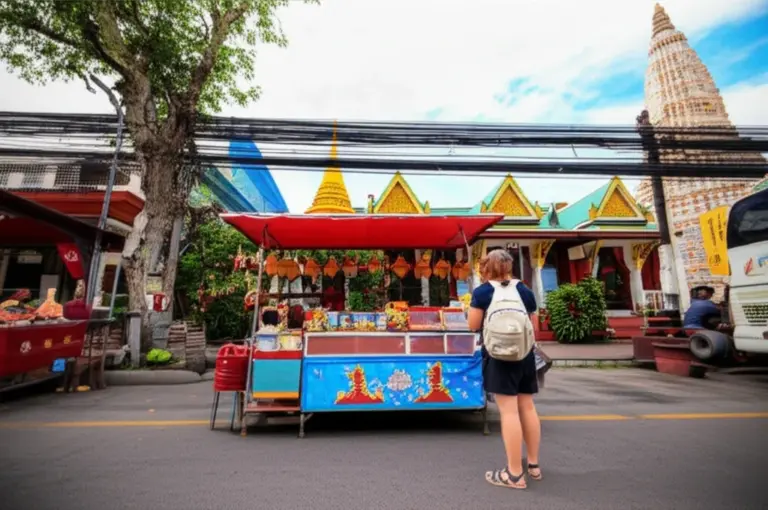
Street food is the cornerstone of budget eating in Thailand. From Pad Thai to green curry, you can find incredibly flavorful and filling meals for a few dollars. Look for stalls with long queues of locals – this is usually a sign of good, fresh, and affordable food. Always check for clearly marked prices to avoid any misunderstandings.
Local Markets and Supermarkets
Visiting local markets allows you to buy fresh fruits, snacks, and even ready-to-eat meals at very low prices. Supermarkets like Big C and Tesco Lotus are great for stocking up on bottled water (remember to use refill stations where available to save money and reduce plastic waste) and other essentials. Don’t underestimate the convenience stores like 7-Eleven; they offer surprisingly good and cheap ready meals, coffee, and snacks.
Avoiding Tourist Traps
Restaurants in heavily touristed areas often charge higher prices for comparable quality. Venture a few blocks away from the main tourist drag to find more authentic and affordable eateries where locals dine. If a menu doesn’t have prices, it’s wise to ask before ordering to prevent any surprises.
Smart Accommodation Choices for Every Budget
Thailand offers a vast range of accommodation, from luxurious resorts to humble guesthouses. Your choice here significantly impacts your budget, and there are many ways to find comfortable yet affordable places to stay.
Hostels and Guesthouses
For solo travelers and backpackers, hostels are the most budget-friendly option, offering dormitory beds at very low prices. Many also feature private rooms that can be cheaper than budget hotels. Guesthouses, often family-run, provide a more personal touch and great value, especially outside the main city centers. Websites like Agoda and Hostelworld are excellent for finding deals.
Budget Hotels and Homestays
Even if you prefer privacy, budget hotels are plentiful. Look for accommodations slightly away from major tourist attractions, as prices tend to drop significantly. Homestays in rural areas offer a unique cultural experience and are often very economical, sometimes including meals.
Booking Smart: Off-Season and Advance Planning
The cheapest time to visit Thailand is during the rainy season (May to October), when accommodation and flight prices drop significantly due to fewer tourists. While it rains, showers are often short, leaving plenty of time for exploration. Booking your flights and accommodation well in advance, regardless of the season, can also secure better rates.
Exploring Attractions Without Breaking the Bank
Thailand boasts countless attractions, from ancient temples to pristine beaches. Many offer free or low-cost entry, allowing you to immerse yourself in the culture and beauty without overspending.
Free and Low-Cost Attractions
Many temples are free to enter, though some major ones like Wat Arun or Wat Pho have a small entrance fee (usually a few dollars). Exploring local markets, relaxing on public beaches, hiking in national parks (some may have small entry fees), and simply wandering through local neighborhoods offer rich cultural experiences at no cost. Keep an eye out for free events or festivals happening during your visit.
Package Deals and Passes
While package tours can seem convenient, they often come with a higher price tag. Consider arranging your own activities and transportation. For example, instead of an organized island-hopping tour, you might find it cheaper to hire a longtail boat directly from a local fisherman. Always compare prices and read reviews before committing to any tour.
Cultural Etiquette and Haggling
Haggling is common in markets, especially for souvenirs and clothing. Always do so respectfully and with a smile; aim for a price that feels fair to both you and the vendor. Remember that a few baht saved might mean little to you but a lot to the seller.
Additional Money-Saving Hacks
Beyond the main categories, a few other smart choices can significantly reduce your overall travel costs in Thailand.
Currency Exchange and ATMs
Always exchange money at reputable exchange booths like SuperRich for the best rates, avoiding airports and hotels where rates are often poor. When using ATMs, be aware of the typical 220-250 THB fee per transaction. To minimize these fees, withdraw larger amounts less frequently (most ATMs allow up to 20,000-30,000 THB per transaction). Crucially, always decline the ‘Dynamic Currency Conversion’ (DCC) option if offered; choose to be charged in Thai Baht (THB) to ensure your bank provides the exchange rate, which is usually more favorable.
Travel Insurance
While not a direct saving, comprehensive travel insurance is a non-negotiable expense. It protects you from unforeseen medical emergencies, trip cancellations, or lost luggage, potentially saving you thousands in the long run.
SIM Cards and Connectivity
Upon arrival, purchase a local SIM card (from providers like AIS, Dtac, or TrueMove H) at the airport or any convenience store. Data packages are incredibly affordable and far cheaper than international roaming charges, allowing you to stay connected for navigation, ride-hailing, and communication.
Watch and Learn: Budget Travel in Thailand!
For more visual tips and insights on how to make your trip to Thailand incredibly affordable, check out this helpful video:
This video provides practical advice to complement your Saving Strategies and Money-Smart Tips in Thailand.
By implementing these Saving Strategies and Money-Smart Tips in Thailand, you can enjoy an enriching travel experience without the financial strain. Thailand is an incredibly rewarding destination, and with smart planning, it’s accessible to every budget. Embrace the local way of life, make informed choices, and get ready for an unforgettable adventure that proves affordability doesn’t mean compromising on experience. Happy travels!
คำถามที่พบบ่อย (FAQ)
Thailand can be as expensive or as cheap as you make it. It is widely considered one of the most budget-friendly destinations in Southeast Asia. With smart choices in accommodation, food, and transportation, you can easily travel on a modest budget, often around $30-50 USD per day for backpackers, while still enjoying the full Thai experience.
Within cities, public transport like the BTS Skytrain and MRT subway in Bangkok, or local buses and songthaews, are the cheapest options. For longer distances, overnight buses and trains save on accommodation costs, while budget airlines offer affordable flights if booked in advance. Using ride-sharing apps like Grab or Bolt is also generally cheaper than traditional taxis.
The best way to save on food is to embrace street food and eat where locals do. Meals at street stalls and local markets are incredibly delicious and inexpensive. Avoid tourist-heavy restaurants, and consider purchasing snacks and drinks from convenience stores like 7-Eleven or local supermarkets.
The low season, also known as the rainy or green season (typically May to October), offers the best prices for flights and accommodation. While there might be occasional heavy showers, they often don’t last all day, and you’ll benefit from fewer crowds and significant discounts. The shoulder seasons (April-June and October) can also offer a good balance of weather and prices.
ATMs are widely available throughout Thailand, even in smaller towns and islands. However, most Thai banks charge a flat fee of 220-250 THB per transaction for foreign cards. To minimize fees, make fewer, larger withdrawals. Always decline the ‘Dynamic Currency Conversion’ (DCC) option and choose to be charged in THB for a better exchange rate from your home bank.
References
This article synthesizes general travel advice and commonly available information regarding budget travel in Thailand. Specific tips on transportation, food, accommodation, attractions, currency exchange, and best times to visit are based on widely accepted practices for saving money while traveling in the region. The embedded video provides further visual guidance on budget travel strategies. For more detailed information, consult reputable travel guides and financial advice resources for international travel.