What to do during your stay: slow-living activities, guided village tours, coffee farm visits, cooking classes, and responsible tourism experiences
- What to do during your stay: slow-living activities, guided village tours, coffee farm visits, cooking classes, and responsible tourism experiences
- Embracing Slow Living: A New Way to Experience Thailand
- Journey Through Culture: Guided Village Tours
- Aromatic Adventures: Coffee Farm Visits
- Culinary Delights: Hands-On Cooking Classes
- The Heart of Travel: Responsible Tourism Experiences in Thailand
- Planning Your Mindful Thai Getaway
- คำถามที่พบบ่อย (FAQ)
Thailand, renowned for its vibrant culture, stunning landscapes, and warm hospitality, offers more than just bustling cities and pristine beaches. For the discerning traveler seeking depth and authenticity, embracing slow-living activities and responsible tourism experiences in Thailand unlocks a truly transformative journey. This guide delves into unique ways to immerse yourself in the Kingdom’s heart, from tranquil village life to aromatic coffee farms and hands-on culinary adventures, all while contributing positively to local communities and preserving the environment.
Embrace a Deeper Connection
Slow travel in Thailand is about savoring each moment, connecting with local traditions, and creating meaningful memories that extend far beyond a typical vacation. It’s about finding the rhythm of the land and its people.
Embracing Slow Living: A New Way to Experience Thailand
In a world that constantly rushes, slow living offers a refreshing antidote. It’s an intentional approach to life and travel, encouraging you to step back, observe, and truly absorb your surroundings. In Thailand, this translates into lingering in serene rice paddies, enjoying leisurely conversations with locals, and appreciating the intricate details of daily life.
Unplug and Reconnect: The Essence of Slow Travel
Imagine waking up to the sounds of nature rather than city traffic, spending an afternoon learning a traditional craft, or simply enjoying a sunset from a quiet, uncrowded spot. Slow-living activities in Thailand encourage mindfulness and a deeper connection with both yourself and the destination. This can involve anything from practicing meditation at a remote temple to spending a day volunteering at a local conservation project.
Where to Find Your Serenity
Northern Thailand, particularly regions like Chiang Mai, Chiang Rai, and Pai, are prime locations for slow travel. Here, you can find boutique guesthouses nestled amidst mountains, participate in yoga retreats, or simply wander through charming towns at your own pace. The slower pace of life in these areas naturally lends itself to a more reflective and enriching travel experience.
Journey Through Culture: Guided Village Tours
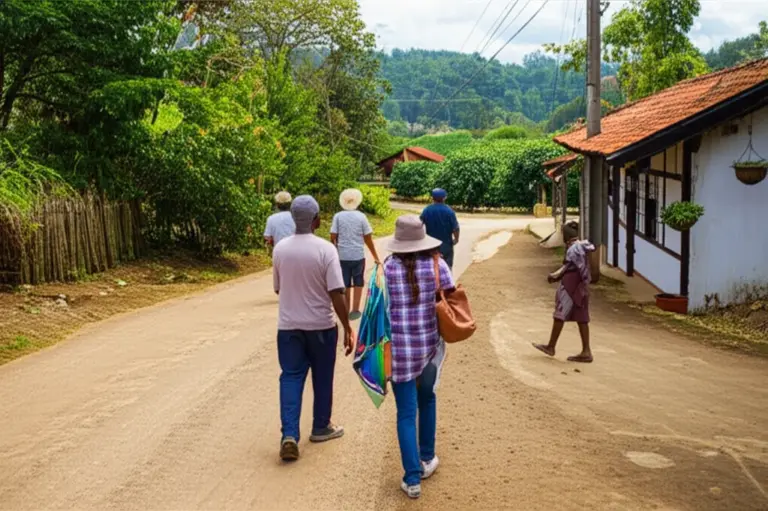
One of the most impactful responsible tourism experiences in Thailand is participating in guided village tours. These aren’t just sightseeing trips; they are immersive cultural exchanges designed to provide authentic insights into local life while directly benefiting the communities you visit.
Beyond the Tourist Trail: Authentic Encounters
Many villages across Thailand, especially in the northern highlands and central plains, welcome visitors to experience their traditions firsthand. This could involve learning about traditional farming techniques, witnessing ancient weaving practices, or participating in a local ceremony. These tours are often led by community members, offering a genuine perspective that larger tourist groups rarely experience.
Supporting Local Communities
Choosing a reputable village tour operator ensures that your money directly supports the local economy, helping to preserve cultural heritage and provide sustainable livelihoods. This form of community-based tourism is a cornerstone of responsible travel, empowering residents and fostering mutual respect between visitors and hosts.
Aromatic Adventures: Coffee Farm Visits
While often associated with tea, Thailand has a burgeoning coffee industry, particularly in its northern highlands. A visit to a coffee farm offers a delightful blend of agricultural insight, scenic beauty, and, of course, delicious brews.
From Bean to Cup: The Thai Coffee Story
Many coffee farms offer guided tours where you can learn about the entire process, from cultivation and harvesting to roasting and brewing. You’ll walk through lush plantations, understand the different coffee varieties, and even try your hand at picking beans. This experience not only satisfies your caffeine cravings but also deepens your appreciation for the effort involved in producing a single cup.
Sustainable Practices and Unique Flavors
Thai coffee farmers are increasingly adopting sustainable and organic practices, focusing on quality over quantity. Many farms are family-owned, passed down through generations, and offer unique blends and single-origin beans that reflect the distinct terroir of the region. Supporting these farms is another excellent example of engaging in responsible tourism experiences in Thailand.
Culinary Delights: Hands-On Cooking Classes
Thai cuisine is world-renowned, and what better way to truly understand its magic than by learning to cook it yourself? Cooking classes are a fun, interactive, and delicious way to engage with Thai culture.
Mastering Thai Flavors: A Taste of Authenticity
From the bustling markets of Bangkok to the tranquil settings of Chiang Mai, cooking schools abound. Most classes begin with a market tour, where you learn about local ingredients and spices. Then, under the guidance of experienced chefs, you’ll prepare classic dishes like Pad Thai, Green Curry, Tom Yum Goong, and Mango Sticky Rice. It’s a skill you can take home and share, keeping the Thai experience alive.
Farm-to-Table Experiences
Some cooking schools offer farm-to-table experiences, where you harvest your own ingredients from organic gardens before heading to the kitchen. This adds another layer of appreciation for the fresh, vibrant produce that forms the backbone of Thai cooking and aligns perfectly with the principles of slow living and responsible tourism.
The Heart of Travel: Responsible Tourism Experiences in Thailand
Responsible tourism is not just a trend; it’s a philosophy that ensures your travels benefit the destination and its people, minimizing negative impacts. Thailand offers numerous opportunities to be a responsible traveler.
Making a Positive Impact
Beyond village tours and supporting local businesses, responsible tourism includes choosing eco-friendly accommodations, respecting cultural norms, minimizing waste, and engaging with wildlife ethically. For instance, opting for ethical elephant sanctuaries where interactions are observational rather than exploitative is a crucial choice.
Choosing Ethical Adventures
Look for tour operators and accommodations that explicitly state their commitment to sustainability and community development. Organizations like the Tourism Authority of Thailand often promote initiatives that support responsible travel. Your choices as a traveler have a significant impact, making every decision count towards a better future for the destinations you love.
Planning Your Mindful Thai Getaway
Embarking on a journey filled with slow-living activities, guided village tours, coffee farm visits, cooking classes, and responsible tourism experiences in Thailand promises a trip unlike any other. It’s an opportunity to connect, learn, and contribute positively.
Tips for Sustainable Travel
- Pack light and minimize plastic use.
- Use public transportation or walk whenever possible.
- Learn basic Thai phrases to show respect.
- Buy local handicrafts and produce directly from artisans.
- Support ethical animal welfare initiatives.
Recommended Regions
| Region | Key Slow-Living/Responsible Activities |
|---|---|
| Northern Thailand (Chiang Mai, Chiang Rai, Mae Hong Son) | Village homestays, coffee farm visits, ethical elephant sanctuaries, trekking, cultural workshops. |
| Central Thailand (Ayutthaya, Kanchanaburi) | Historical site exploration at a leisurely pace, river cruises, community-based tourism near national parks. |
| Northeastern Thailand (Isaan) | Silk weaving villages, ancient temple ruins, traditional music and dance, authentic local cuisine. |
| Southern Thailand (Koh Lanta, Koh Yao Noi) | Eco-friendly resorts, sustainable island hopping, local fishing village experiences, mangrove conservation. |
By consciously choosing these types of activities, you not only enrich your own travel experience but also contribute to the sustainable development and cultural preservation of Thailand. Your stay can be more than just a vacation; it can be a meaningful exchange that leaves a positive footprint.
คำถามที่พบบ่อย (FAQ)
Here are some frequently asked questions about slow living and responsible tourism in Thailand:
Q: What is the main difference between slow travel and conventional tourism in Thailand?
A: Slow travel emphasizes deeper immersion, local interaction, and a leisurely pace, focusing on quality experiences over quantity of sights. Conventional tourism often prioritizes seeing many attractions quickly, sometimes with less direct engagement with local life.
Q: How can I ensure my village tour genuinely benefits the local community?
A: Look for tours operated directly by the community or by organizations with clear ethical policies that state how profits are distributed. Read reviews and seek recommendations from trusted responsible travel platforms. Avoid tours that seem exploitative or overly commercialized.
Q: Are Thai cooking classes suitable for beginners?
A: Absolutely! Most Thai cooking classes are designed for all skill levels, from complete novices to experienced cooks. Instructors guide you through each step, and you’ll often receive a recipe booklet to recreate the dishes at home.
Q: What is an ethical way to interact with elephants in Thailand?
A: Choose sanctuaries that prioritize elephant welfare, where elephants roam freely, and interactions are limited to observation. Avoid places that offer riding, bathing with elephants, or performances, as these activities often involve cruel training methods.
References
- Tourism Authority of Thailand Official Website
- Responsible Travel Organization
- Understanding Slow Travel
- Community stay in Ban Mae Kampong: Authentic homestay experiences and slow-living retreats in northern Thailand
- Why choose Ban Mae Kampong for a homestay? Local culture, accessibility, best seasons, and what to expect from a community stay
- Where to stay and how to book: top homestays, community-run lodging options, price ranges, and reservation tips for Ban Mae Kampong