Overview of Thailand’s Climate Patterns by Month and What to Expect
Understanding Thailand’s Climate Patterns is the cornerstone of planning a successful journey to the Land of Smiles. Thailand is a tropical paradise, but its weather is far from uniform. Depending on the month you choose to visit, your experience can range from blissful sunshine on white sandy beaches to dramatic monsoonal downpours in lush jungles. This guide provides a comprehensive monthly breakdown to help you navigate the nuances of the Thai seasons.
The Three Main Seasons in Thailand
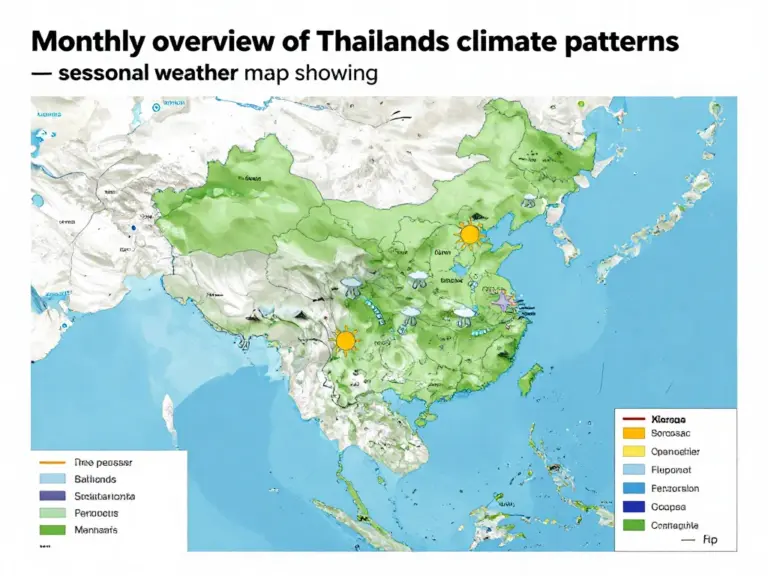
Before diving into the monthly details, it is essential to understand the overarching Thailand’s Climate Patterns. The country is influenced by the southwest monsoon and the northeast monsoon. The southwest monsoon brings warm, moist air from the Indian Ocean, resulting in the rainy season, while the northeast monsoon brings cooler, drier air from China, ushering in the pleasant winter months.
| Season | Months | Characteristics |
|---|---|---|
| Cool Season | Nov – Feb | Dry, comfortable temperatures, peak tourism. |
| Hot Season | Mar – May | High humidity, intense heat, Songkran festival. |
| Rainy Season | Jun – Oct | Frequent showers, lush greenery, lower prices. |
Monthly Breakdown of Thailand’s Climate Patterns
January: The Peak of Perfection
January is arguably the best month for Thailand’s Climate Patterns. The entire country enjoys mild temperatures and very little rain. In Northern Thailand, especially Chiang Mai, mornings can be quite chilly, making it perfect for mountain trekking. The islands in the Andaman Sea (Phuket, Krabi) are stunningly clear.
February: Sunny and Dry
The dry weather continues into February. It is the last month of the ‘cool’ season before the heat begins to rise. This is an ideal time for diving and snorkeling in the Gulf of Thailand (Koh Samui, Koh Phangan) as the sea is calm and visibility is high.
March & April: The Heat Intensifies
In March, temperatures start to climb above 30°C. April is the hottest month in Thailand. While the heat can be intense, it is also the time for Songkran, the Thai New Year water festival, which is a highlight for many tourists. If you visit now, stay hydrated and seek out air-conditioned spaces during midday.
May: The Transition Month
May marks the transition into the rainy season. You will notice increased humidity and the occasional afternoon thunderstorm. Prices for accommodation begin to drop, offering great value for budget-conscious travelers.
June, July & August: The Green Season
During these months, Thailand’s Climate Patterns are characterized by short, heavy bursts of rain followed by sunshine. The landscapes become incredibly lush and green. This is the ‘Green Season,’ where waterfalls are at their most powerful and crowds are significantly thinner.
September & October: The Height of the Monsoon
September and October are typically the wettest months across most of Thailand. Flooding can occur in some low-lying areas, and sea conditions on the west coast can be rough. However, the Gulf coast islands often remain relatively dry during this specific window compared to the rest of the country.
November & December: The Return of the Cool
By November, the rains subside, and the northeast monsoon brings back the cool, dry air. December is a festive time with perfect weather for outdoor activities, though it is also the busiest time for tourism.
Regional Variations to Consider
It is important to note that Thailand’s Climate Patterns vary by region. While the West Coast (Andaman Sea) is wettest from May to October, the East Coast (Gulf of Thailand) sees its heaviest rainfall between October and December. Always check the specific regional forecast before booking your island getaway.
คำถามที่พบบ่อย (FAQ)
What is the best month to visit Thailand for beach weather?
The best months for beach weather are generally January and February, when skies are clear and the sea is calm across both coasts.
Is the rainy season a bad time to visit?
Not necessarily. While it rains frequently, it usually happens in short bursts. Traveling during the rainy season offers lower prices, fewer tourists, and beautiful green scenery.
When is the hottest time of year in Thailand?
April is traditionally the hottest month in Thailand, with temperatures often exceeding 35°C (95°F) in many parts of the country.
Does it ever get cold in Thailand?
In Northern Thailand (Chiang Mai, Chiang Rai) and the high mountains, temperatures can drop to 10-15°C at night during December and January.
What should I pack for the rainy season?
Pack a lightweight, breathable raincoat, waterproof bags for electronics, and shoes that dry quickly or are suitable for wet pavement.
References
- Thailand Weather by Month: Best Regions to Visit and Festivals Calendar for Every Season
- Best Regions to Visit Each Month: Northern Highlands, Central Plains, Northeastern Isan, and Southern Beaches
- Monthly Festivals and Events Guide: When and Where to Experience Songkran, Loy Krathong, and Regional Celebrations