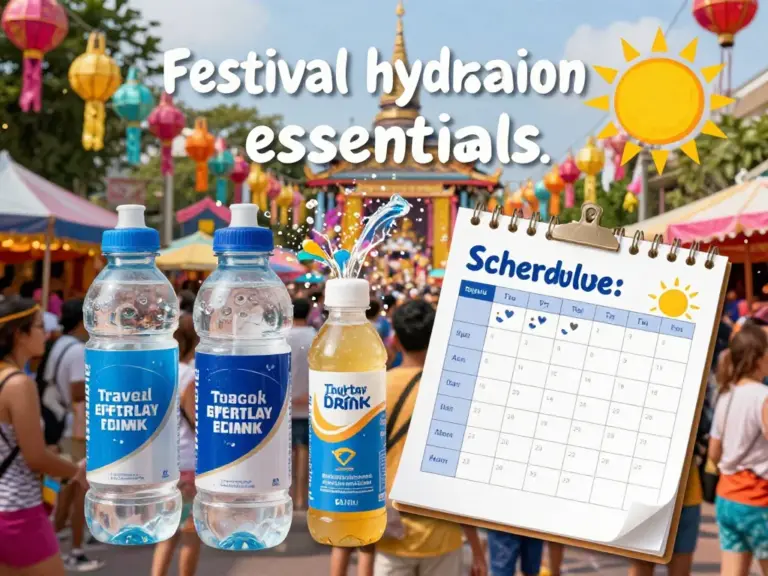
Why hydration matters at Thai festivals and how to plan your fluid intake (electrolytes, water schedule, travel bottles)
- Why hydration matters at Thai festivals and how to plan your fluid intake (electrolytes, water schedule, travel bottles)
Thailand is world-renowned for its vibrant, high-energy festivals. From the water-soaked streets of Songkran to the mesmerizing lights of Loy Krathong, these events are a highlight for any traveler. However, participating in these celebrations often involves long hours outdoors in tropical heat and high humidity. This is why hydration matters at Thai festivals more than almost anywhere else. Proper fluid management isn’t just about comfort; it’s a critical safety measure to ensure your Thai adventure doesn’t end in heat exhaustion.
The Science of Heat and Hydration in the Tropics
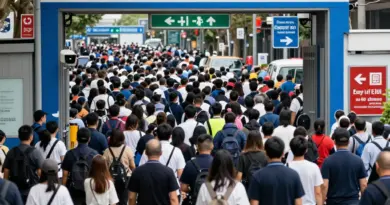
When you are dancing at a music festival in Bangkok or walking through a crowded temple fair in Chiang Mai, your body loses fluids at an accelerated rate. In Thailand’s climate, you can lose over a liter of water per hour through perspiration. If these fluids aren’t replaced, your blood volume drops, forcing your heart to work harder. This is why understanding why hydration matters at Thai festivals is the first step toward a successful trip. Symptoms of dehydration like dizziness, headaches, and fatigue can set in quickly, often before you even feel thirsty.
Mastering Your Water Schedule
Don’t wait until you are parched to drink. A proactive water schedule is essential for maintaining energy levels. Follow this simple rhythm to stay ahead of dehydration:
- Pre-Hydrate: Drink 500ml of water 2 hours before heading out to the festival grounds.
- The 20-Minute Rule: Aim to sip at least 200ml of water every 20 minutes during active participation.
- Recovery: Drink a large glass of water before bed to help your body recover from the day’s heat.
The Power of Electrolytes
While water is vital, drinking only plain water during heavy sweating can lead to hyponatremia (low sodium levels). This is where electrolytes come in. In Thailand, you can easily find ‘ORS’ (Oral Rehydration Salts) at any 7-Eleven or local pharmacy. These packets contain the perfect balance of sodium, potassium, and glucose to help your cells absorb water more efficiently. Mixing one packet into your travel bottle once a day can make a massive difference in how you feel by the evening.
Choosing the Right Travel Bottles
Carrying your own bottle is eco-friendly and ensures you always have a supply. For Thai festivals, consider these options:
| Type | Benefit | Best For |
|---|---|---|
| Insulated Stainless Steel | Keeps water ice-cold for 24 hours. | Long day trips in the sun. |
| Collapsible Silicone | Saves space when empty. | Crowded night markets and concerts. |
| Filtered Bottles | Ensures tap water is safe to drink. | Remote rural festivals. |
Practical Tips for Festival Goers
Beyond just drinking water, consider your overall intake. Many Thai fruits like watermelon and pineapple have high water content and serve as excellent hydrating snacks. Avoid excessive caffeine and alcohol, as both act as diuretics, causing you to lose more fluid. If you are at Songkran, remember that while you are getting wet on the outside, your body still needs water on the inside!
คำถามที่พ่อยบ่อย (FAQ)
Is it safe to drink tap water in Thailand?
No, it is generally not recommended to drink tap water directly in Thailand. Always use bottled water, filtered water, or boiled water for drinking and brushing teeth.
How do I know if I am dehydrated?
Common signs include dark-colored urine, dry mouth, extreme thirst, dizziness, and feeling unusually tired or confused during the festivities.
Where can I buy electrolytes in Thailand?
You can find electrolyte powders (often labeled as ORS) in any convenience store like 7-Eleven, Lotus’s Go Fresh, or local pharmacies for just a few baht.
Can I bring my own water bottle into Thai music festivals?
Most large-scale music festivals have security checks and may prohibit outside liquids. However, they usually provide water stations inside where you can refill an empty reusable bottle.
References
Tourism Authority of Thailand
World Health Organization: Hydration Standards