On-site Experience: Safety, Etiquette, Guided Tours, Photography Rules, and Interpreting What You See
- On-site Experience: Safety, Etiquette, Guided Tours, Photography Rules, and Interpreting What You See
Embarking on a journey to Thailand promises an unforgettable adventure, but to truly enrich your Thailand tourism on-site experience, understanding the nuances of local culture, safety protocols, and respectful interactions is paramount. This comprehensive guide will equip you with the knowledge to navigate the Land of Smiles with confidence and appreciation, transforming your trip from a mere visit into a deeply immersive cultural exchange. From the bustling streets of Bangkok to the serene temples of Chiang Mai, preparing yourself for the local environment ensures not only your safety but also fosters genuine connections and unforgettable memories.
Prioritizing Safety in the Land of Smiles
While Thailand is generally considered a safe destination for tourists, exercising caution and awareness is always advisable. Personal safety begins with common sense practices that apply universally, yet some specifics are particularly relevant to the Thai context. Being informed about potential risks and how to mitigate them will significantly enhance your Thailand tourism on-site experience.
General Safety Tips
- Be Mindful of Your Surroundings: Especially in crowded areas like markets or public transport, be aware of your belongings to prevent petty theft. Keep valuables secure and out of sight.
- Traffic Awareness: Thai traffic can be chaotic. When walking, always look both ways, even on one-way streets, as rules are sometimes flexible. Be cautious when crossing roads and use pedestrian crossings where available. [14]
- Scam Prevention: Be wary of overly friendly strangers offering unsolicited help or too-good-to-be-true deals, especially around major tourist attractions. Common scams include inflated taxi fares, gem scams, and erroneous claims that attractions are closed. Always verify information from official sources. [13], [14]
- Motorbike Safety: If you choose to rent a motorbike, ensure you have appropriate insurance and always wear a helmet. Roads can be challenging, and accidents are unfortunately common. [13]
Health and Medical Considerations
- Travel Insurance: Comprehensive travel insurance is highly recommended. It can cover medical emergencies, trip cancellations, and lost luggage. [14], [16]
- Water Safety: Do not drink tap water. Stick to bottled water, and be cautious with ice in drinks, especially from street vendors, unless you’re sure it’s made from filtered water. [13]
- Mosquito Protection: Dengue fever is more prevalent than malaria in most tourist areas. Use insect repellent, especially during dawn and dusk. [13]
- Food Safety: While street food is a highlight, choose vendors with high turnover and visible cooking processes to minimize risks of food poisoning. [14]
Watch this Expert Guide for Thailand Do’s and Don’ts!
For more in-depth advice on navigating Thailand safely and respectfully, check out this informative video:
Embracing Thai Etiquette: Respectful Interactions
Thai culture is deeply rooted in respect, humility, and a sense of collective harmony. Understanding and practicing basic Thai etiquette will significantly enrich your interactions with locals and demonstrate your appreciation for their traditions. These practices are crucial for a positive Thailand tourism on-site experience. [3]
Temple Conduct (Wat Etiquette)
- Remove Your Shoes: Always remove your shoes before entering a temple, a Thai home, and sometimes even shops or restaurants. [4], [5], [6]
- Dress Modestly: When visiting temples or royal palaces, ensure your shoulders and knees are covered. Avoid tank tops, short shorts, and revealing clothing. Many temples may provide sarongs for rent if you are not appropriately dressed. [3], [5], [6], [10], [11]
- Respect Buddha Images: Never turn your back on a Buddha statue for a photo, climb on them, or point your feet at them. The head is considered sacred, and feet are considered the lowest part of the body. [3], [4], [7], [9], [10], [16]
- Maintain Silence: Temples are places of worship and meditation. Keep your voice down and avoid disruptive behavior. [9], [11]
- Step Over the Threshold: The raised threshold at the entrance of temples and homes is believed to house guardian spirits. Always step over it, not on it. [3], [5], [7]
Social Customs and Greetings
- The Wai: The traditional Thai greeting, the ‘Wai,’ involves placing your palms together in a prayer-like gesture. While not always expected from tourists, returning a Wai when offered is a sign of respect. [4], [6]
- Head and Feet: Never touch someone’s head, as it’s considered the most sacred part of the body. Conversely, avoid pointing your feet at people or sacred objects. [3], [4], [6], [8]
- Public Displays of Affection: Keep public displays of affection to a minimum, as they are generally frowned upon in Thai culture. [5], [8]
- Respect the Monarchy: The Thai Royal Family is highly revered. Any disrespect towards the monarchy is a serious offense. Stand respectfully during the national and royal anthems. [3], [5]
Enhancing Your Journey with Guided Tours
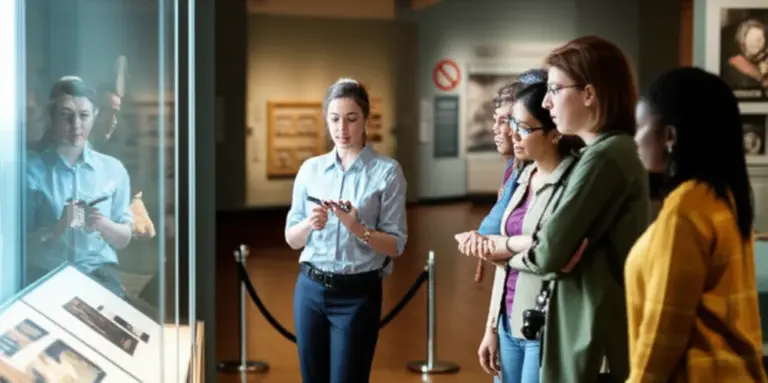
While independent exploration is rewarding, guided tours can significantly deepen your Thailand tourism on-site experience, offering insights and access that might otherwise be missed. This is particularly true for historical sites, cultural experiences, and remote natural wonders.
Benefits of Local Guides
- Cultural Interpretation: Local guides provide invaluable context, explaining the history, significance, and cultural nuances of the sites you visit, helping you to ‘interpret what you see’.
- Navigation and Logistics: They handle transportation, entrance fees, and timings, allowing you to relax and fully immerse yourself in the experience.
- Authentic Experiences: Guides can lead you to hidden gems, local eateries, and authentic interactions that might be difficult to find on your own.
- Language Bridge: They can facilitate communication with locals, enhancing your understanding and engagement.
Choosing the Right Tour
Look for reputable tour operators with good reviews. Consider small group tours for a more personalized experience, or private tours if you prefer flexibility. Ensure the tour aligns with your interests, whether it’s a culinary journey, historical exploration, or an adventure trek.
Capturing Memories: Photography Rules and Respect
Photography is a wonderful way to preserve your memories, but it’s essential to do so respectfully, especially in a culturally rich country like Thailand. Being mindful of local customs will ensure your photos are cherished, not offensive. [2]
Sacred Sites and People
- Temples and Buddha Images: Most temples allow photography, but avoid flash in sensitive areas or during ceremonies. Never take a selfie with your back to a Buddha statue, as it’s considered highly disrespectful. [7], [9], [10]
- Photographing Locals: Always ask for permission before taking photos of people, especially monks or children. A simple ‘Sawadee krap/ka’ (hello) and a gesture towards your camera can go a long way. [11]
- Respect Worshipers: Do not photograph people who are actively praying or meditating. Avoid disrupting their spiritual practice for a photo opportunity. [7], [9], [10]
Drones and Specific Locations
Drone usage is becoming increasingly regulated. Always check local laws and specific site rules before flying a drone, especially near temples, royal palaces, or national parks. Unauthorized drone flights can lead to significant fines or legal issues. [16]
Interpreting What You See: Beyond the Surface
Thailand is a country rich in symbolism and tradition. Moving beyond superficial observation to genuinely interpret what you see will profoundly deepen your Thailand tourism on-site experience and foster a greater appreciation for its unique heritage.
Understanding Symbolism
- Mythical Creatures: Notice the intricate carvings and statues of mythical creatures like Nagas (serpents) and Kinnaree (half-human, half-bird beings) at temples. These often represent guardians, purity, or spiritual journeys.
- The Lotus Flower: A ubiquitous symbol, the lotus represents purity, spiritual awakening, and enlightenment in Buddhism, often seen in offerings and temple decor.
- Temple Bells: Ringing temple bells is often a way to make merit or announce one’s presence. Observe local practices before participating.
Engaging with Local Culture
Don’t be afraid to ask polite questions (through a guide if necessary) about local customs or beliefs. Engage with vendors at markets, observe daily life, and try local cuisine. These interactions are key to understanding the heart of Thailand.
Sustainable and Responsible Tourism
As a visitor, you have a role in preserving Thailand’s natural beauty and cultural integrity. Support local businesses, minimize your environmental footprint, and respect wildlife. Avoid activities that exploit animals, such as unethical elephant riding or interaction with captive wildlife. Choose tour operators committed to ethical and sustainable practices. Your choices contribute directly to the well-being of the local communities and the environment, ensuring that the beauty of Thailand can be enjoyed by future generations.
By embracing these guidelines on safety, etiquette, guided tours, photography, and cultural interpretation, you’re not just visiting Thailand; you’re becoming an informed and respectful participant in its vibrant tapestry. This mindful approach will undoubtedly lead to a richer, more meaningful, and truly unforgettable Thailand tourism on-site experience.
คำถามที่พบบ่อย (FAQ)
References
- Etiquette advice for visiting Thai temples – Fan Club Thailand
- Thailand travel etiquette: Essential do’s and don’ts – Responsible Thailand
- Thailand’s cultural customs – Responsible Travel
- Thai Etiquette: Dos and Don’ts Every Traveler Should Know – Asia King Travel
- National Courtesy Month: Thai Cultural Do’s and Don’ts – Thailand Insider
- Dos and Don’ts When Visiting a Buddhist Temple in Thailand – Exotic Voyages
- Etiquette in Thailand – Reach to Teach Recruiting
- Thailand Temple Etiquette: Everything You Need to Know – Chai Lai Orchid
- Thailand Temple Etiquette: Dos and Don’ts – TripSavvy
- An Ultimate Traveler’s Guide for Thailand Temple Dress Code – Traveloka
- Expert Guide to Thailand Do’s and Don’ts for Tourists – YouTube
- Thailand Know Before You Go: Expert Tips & Common Mistakes (2025) – YouTube
- Safety, Scams and Tips for Travelers in Thailand – YouTube
- 25 Thailand Travel Mistakes (Don’t Be This Person!) – YouTube