Seagrass and Dugong Conservation Kayak Tour in Trang with Local Rangers: What to Expect, How to Prepare, and How You Help Protect Marine Life
- Seagrass and Dugong Conservation Kayak Tour in Trang with Local Rangers: What to Expect, How to Prepare, and How You Help Protect Marine Life
Thailand’s Andaman coast is celebrated for its stunning limestone karsts and pristine waters, but beneath the surface lies an ecosystem crucial for marine health: seagrass meadows. These underwater gardens are the primary feeding grounds for the gentle giants of the sea, the Dugongs. For the discerning traveler seeking meaningful experiences, the Seagrass and Dugong Conservation Kayak Tour in Trang with Local Rangers offers an unparalleled opportunity to witness this natural wonder while directly contributing to its preservation. This guide details exactly what you need to know to prepare for this ethical and unforgettable eco-adventure.
The search intent for this unique experience is highly informational and experience-driven. Tourists are not just looking for a standard boat trip; they seek responsible engagement, education, and the chance to see vulnerable species like the Dugong in their natural habitat. We will cover everything from the best time to visit to the crucial role local rangers play in safeguarding these marine mammals.
The Significance of Trang’s Seagrass Ecosystem
Trang Province, particularly the areas around Koh Libong, is recognized as one of Thailand’s most vital Dugong habitats. Dugongs, often affectionately called ‘sea cows,’ graze almost exclusively on seagrass. These meadows are the foundation of the local marine food web, providing shelter for juvenile fish and invertebrates, and stabilizing the seabed.
Why Conservation is Key
The primary threats to Dugongs globally include habitat degradation from coastal development, pollution, and accidental entanglement in fishing gear. The conservation tour directly addresses these threats by:
- **Raising Awareness:** Educating visitors about the fragility of seagrass.
- **Funding Local Efforts:** A portion of the tour fee supports the dedicated local rangers.
- **Minimizing Disturbance:** Kayaking is a non-motorized, low-impact activity ideal for wildlife observation.
What to Expect on the Kayak Tour with Local Rangers
This is not a high-speed sightseeing trip; it is an intimate, slow-paced exploration guided by experts. The presence of local rangers elevates the experience from a simple nature walk to a genuine conservation effort.
The Role of Local Rangers
The rangers are the backbone of this initiative. They possess intimate knowledge of the Dugongs’ feeding patterns, migration routes, and the health of the seagrass beds. Expect them to:
- Lead the tour to designated, low-impact viewing areas.
- Provide real-time interpretation on Dugong behavior and seagrass ecology.
- Enforce strict guidelines to ensure minimal disturbance to the animals.
The Kayaking Experience
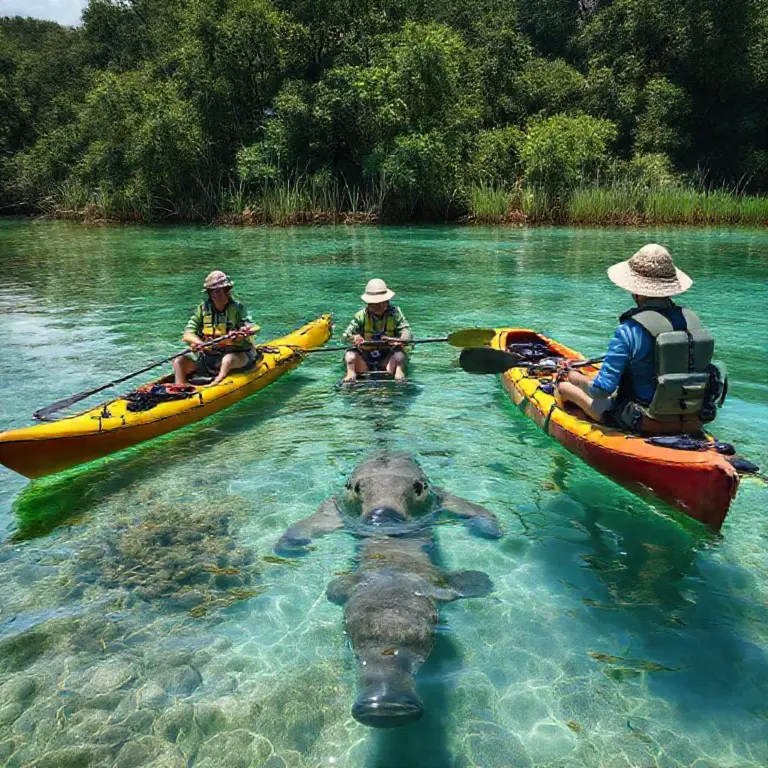
Tours typically launch from designated points near Koh Libong or nearby mainland access. Kayaking allows you to glide silently across the water, increasing your chances of a sighting without startling the wildlife. The pace is gentle, suitable for most fitness levels. You will paddle over clear waters, often spotting the tell-tale signs of Dugong feeding—ripples or trails on the seabed.
Educational Highlights
Beyond the wildlife, you will learn about sustainable fishing practices used by the local community and the challenges facing seagrass conservation in the face of climate change. This immersive learning fosters a deeper connection to Trang’s coastal environment.
(Video above illustrates the beauty of the Andaman marine environment and the importance of conservation efforts in Southern Thailand.)
How to Prepare for Your Conservation Kayak Tour
Proper preparation ensures your comfort and respects the conservation guidelines. Here is what every visitor should bring and know before paddling out.
Essential Gear Checklist
| Item | Purpose |
|---|---|
| Reef-Safe Sunscreen | Crucial for protecting both your skin and the marine ecosystem. |
| Lightweight, Quick-Dry Clothing | Long sleeves offer better sun protection than short sleeves. |
| Hat with a Brim or Cap | Essential for prolonged sun exposure on the water. |
| Waterproof Bag/Dry Bag | To protect cameras, phones, and personal items. |
| Binoculars | Highly recommended for spotting distant Dugongs or birds. |
| Water Bottle | Stay hydrated; reusable bottles are encouraged. |
Behavioral Guidelines for Wildlife Respect
The success of this conservation effort relies on visitor adherence to strict protocols. Always follow the instructions given by the local rangers precisely.
- **Maintain Distance:** Never attempt to approach, touch, or feed the Dugongs. Rangers will guide you to a respectful viewing distance.
- **Minimize Noise:** Speak softly and avoid sudden movements or loud noises that could stress the animals.
- **No Flash Photography:** Bright flashes can disturb marine wildlife.
- **Leave No Trace:** Absolutely nothing should be left behind in the water or on the shore.
Logistics: Timing, Booking, and Location
Understanding the logistics helps secure your spot on this specialized tour.
Best Time to Visit Trang for Dugongs
The best time to visit Trang, and the Andaman coast generally, is during the dry season, typically from **November to April**. During these months, the sea is calmer, offering better visibility and more comfortable kayaking conditions. Water temperatures are also ideal.
Booking Your Ethical Tour
Because these tours are managed in partnership with local conservation groups and rangers, they often require advance booking. Look for operators that explicitly state their partnership with the Trang Marine Conservation Group or local community enterprises. This ensures your fee directly benefits the conservation mandate.
Tour Location Context
The primary focus area for these tours is often near Koh Libong, Trang Province.
How Your Tour Directly Aids Marine Protection
Choosing this specific activity over mass tourism options provides tangible support. Your participation helps fund the daily patrols conducted by the local rangers who monitor the seagrass beds and protect the Dugongs from illegal fishing activities. This sustainable tourism model proves that responsible travel can be a powerful tool for environmental defense.
คำถามที่พบบ่อย (FAQ)
Here are answers to common questions regarding the Seagrass and Dugong Conservation Kayak Tour in Trang.
1. Is kayaking physically demanding?
Generally, no. The tours are designed for slow, leisurely paddling over calm waters. While some paddling effort is required, the focus is on observation, and guides ensure the pace is manageable for most adults with average fitness levels.
2. Can I guarantee seeing a Dugong?
No wildlife encounter can ever be guaranteed. The local rangers utilize their deep knowledge of local conditions and animal movements to maximize the chances, but the welfare of the Dugongs remains the priority. You are participating to support conservation, with the sighting being a wonderful bonus.
3. Are children allowed on the kayak tour?
This depends on the specific tour operator and prevailing sea conditions. Due to safety protocols and the nature of wildlife observation, many conservation tours have minimum age requirements. It is essential to check the age restrictions when booking.
4. What is the difference between a Dugong and a Manatee?
While both are Sirenians, Dugongs are found in the Indo-Pacific (like Trang) and have a distinctive, notched, downturned snout for grazing seagrass. Manatees are found in the Atlantic and Caribbean and have a more squared-off snout.
5. How does the tour fee support the rangers?
The fees contribute directly to operational costs for the local conservation patrols, equipment maintenance for monitoring, and community-based educational programs, empowering local people to become stewards of the marine environment.
References
For further reading on Dugong conservation in Thailand, please refer to resources from local marine biology institutes and recognized environmental NGOs working in the region.
- Why Trang’s Seagrass Meadows and Dugongs Matter: Ecology, Threats, and Conservation Goals of the Kayak Tour
- What the Kayak Tour Includes: Route, Activities, Ranger-Led Education, Safety, and Best Times to Go
- How to Prepare for the Tour: Packing List, Physical Requirements, Responsible Wildlife Viewing, and Ethical Photography Tips