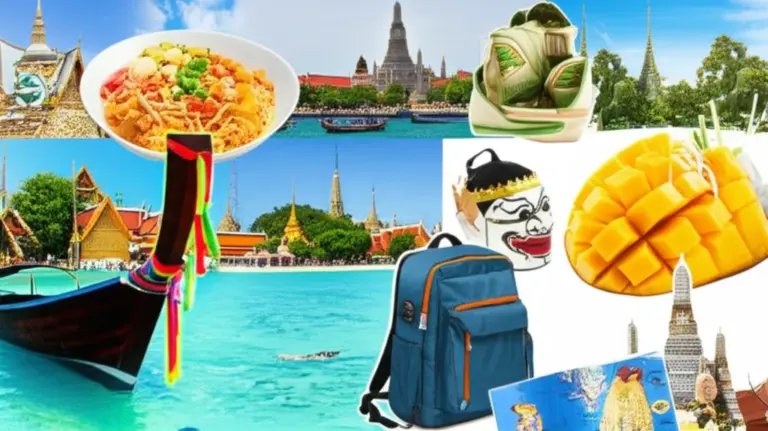
Ultimate Thailand Travel Guide: Everything You Need to Know for Your First Trip
- Ultimate Thailand Travel Guide: Everything You Need to Know for Your First Trip
- Understanding Thailand’s Diverse Regions
- Essential Pre-Trip Planning for Thailand Tourism
- Money Matters and Getting Around
- Cultural Etiquette and Local Customs
- Food and Drink: A Culinary Adventure
- Top Tips for First-Time Travelers to Thailand
- Conclusion: Your Adventure Awaits
- คำถามที่พบบ่อย (FAQ)
- Is Thailand safe for solo female travelers?
- What is the best way to get around Bangkok?
- Can I drink tap water in Thailand?
- What should I wear when visiting temples?
Welcome to the Land of Smiles! Thailand, a jewel of Southeast Asia, beckons with its vibrant culture, stunning landscapes, and mouth-watering cuisine. For anyone embarking on their first journey, this ultimate Thailand travel guide is designed to equip you with all the essential knowledge to navigate this incredible country with confidence and ease. Whether you’re drawn to the bustling street markets of Bangkok, the ancient temples of Chiang Mai, or the idyllic beaches of the southern islands, preparing adequately is key to an unforgettable experience. This guide will cover everything from practical tips to cultural etiquette, ensuring your introduction to thailand tourism is as smooth and enriching as possible.
Understanding Thailand’s Diverse Regions
Thailand offers a remarkable diversity of experiences, each region boasting its unique charm and attractions. Understanding these differences will help you tailor your itinerary to your interests.
Central Thailand: The Heartbeat of the Nation
Bangkok, the dynamic capital, is often the first stop for most visitors. It’s a city of contrasts, where towering skyscrapers stand alongside ancient temples, and bustling markets give way to serene canals. Here, you can explore magnificent sites like the Grand Palace and Wat Arun, indulge in world-class street food, and experience the city’s electrifying nightlife. Beyond Bangkok, central Thailand is home to historical parks like Ayutthaya, a UNESCO World Heritage Site offering a glimpse into Thailand’s glorious past as a Siamese kingdom.
Bangkok Essentials:
When in Bangkok, be sure to visit: The Grand Palace, Wat Arun (Temple of Dawn), Wat Pho (Temple of the Reclining Buddha), Chatuchak Weekend Market, and explore the vibrant street food scene in Chinatown (Yaowarat). Don’t forget to take a longtail boat ride along the Chao Phraya River!
Consider using the BTS Skytrain or MRT subway for efficient travel around the city, especially during peak hours. Taxis and tuk-tuks are also readily available, but always confirm the price or insist on the meter for taxis.
Northern Thailand: Cultural Riches and Mountain Retreats
Chiang Mai, the ‘Rose of the North,’ is known for its serene temples, lush mountains, and vibrant night bazaars. It’s a hub for ethical elephant sanctuaries, cooking classes, and trekking adventures. Nearby Chiang Rai offers the iconic White Temple (Wat Rong Khun) and the unique Black House (Baan Dam Museum). This region provides a more relaxed pace compared to Bangkok, focusing on cultural immersion and natural beauty.
Southern Thailand: Islands, Beaches, and Azure Waters
The south of Thailand is world-renowned for its stunning islands and pristine beaches. From the bustling shores of Phuket and the limestone karsts of Krabi to the bohemian vibes of Koh Lanta and the full moon parties of Koh Phangan, there’s an island for every taste. Activities include snorkeling, diving, rock climbing, and simply relaxing on white sandy beaches. The crystal-clear waters and vibrant marine life make this region a paradise for water enthusiasts.
Essential Pre-Trip Planning for Thailand Tourism
A well-planned trip ensures a stress-free and enjoyable experience. Here are some crucial aspects to consider before you even pack your bags.
Visa and Entry Requirements
Most Western nationalities are granted a visa exemption for 30 or 45 days upon arrival when entering by air. However, requirements can change, so it’s vital to check the latest visa policies with the Royal Thai Embassy or Consulate in your country well before your departure. Ensure your passport is valid for at least six months beyond your intended stay and has a few blank pages.
Best Time to Visit
Thailand generally has three main seasons: hot (March to May), rainy (June to October), and cool (November to February). The cool season, from November to February, is considered the best time to visit as temperatures are more moderate, and rainfall is minimal, making it ideal for exploring. However, this is also peak tourist season, so expect larger crowds and higher prices. The rainy season can offer lush landscapes and fewer tourists, with rain typically coming in short, intense bursts rather than continuous downpours.
Health and Safety
Consult your doctor about recommended vaccinations (e.g., Hepatitis A, Typhoid) at least a month before your trip. Pack a basic first-aid kit, insect repellent, and any personal medications. While generally safe, be aware of common tourist scams, especially around popular attractions. Always keep an eye on your belongings, and be cautious when using ATMs. Travel insurance is highly recommended to cover unforeseen medical emergencies or travel disruptions.
Money Matters and Getting Around
Navigating finances and transportation in a foreign country can be daunting, but with a few tips, you’ll be moving like a local.
Currency and Budgeting
The local currency is the Thai Baht (THB). ATMs are widely available, especially in urban and tourist areas. It’s advisable to carry some cash for street food, small shops, and local transportation. While credit cards are accepted in larger establishments, many smaller vendors operate on a cash-only basis. Thailand can be very budget-friendly, especially if you embrace local food and guesthouses. Daily expenses can range from 1,000-2,500 THB (approximately $30-$75 USD) depending on your travel style.
Transportation within Thailand
Thailand has an extensive and affordable transportation network. Domestic flights connect major cities and islands quickly. Long-distance buses and trains are excellent budget options for inter-city travel, with overnight sleeper trains offering a unique experience. Within cities, you’ll find taxis, tuk-tuks, motorbike taxis, and ride-sharing apps like Grab. For island hopping, ferries and longtail boats are the primary modes of transport.
Cultural Etiquette and Local Customs
Respecting local customs is paramount to a fulfilling trip and will earn you goodwill from the Thai people.
The Wai and Greetings
The ‘Wai’ is the traditional Thai greeting, involving a slight bow with palms pressed together in a prayer-like fashion. While not expected from tourists, a simple ‘Sawasdee ka’ (for females) or ‘Sawasdee krab’ (for males) accompanied by a smile goes a long way.
Temple Etiquette and Dress Code
When visiting temples, dress modestly. This means covering your shoulders and knees. Remove your shoes before entering temple buildings or someone’s home. Avoid pointing your feet at people or religious images, as feet are considered the lowest part of the body.
Respect for the Monarchy
The Thai monarchy is highly revered. Always show respect for the King, the Queen, and the Royal Family. This includes being mindful of how you handle currency, which bears the King’s image.
Food and Drink: A Culinary Adventure
Thai cuisine is famous worldwide for its bold flavors and aromatic spices. Don’t be afraid to try street food – it’s often the most authentic and delicious.
Always drink bottled water, and be cautious with ice in drinks from less reputable vendors. While tap water is generally not safe for drinking, ice from established restaurants and hotels is usually made from filtered water.
Top Tips for First-Time Travelers to Thailand
To make your first trip truly exceptional, here are some invaluable tips gathered from experienced travelers.
Learn Basic Thai Phrases: A simple ‘Sawasdee krab/ka’ (hello), ‘Khop khun krab/ka’ (thank you), and numbers can greatly enhance your interactions with locals. They appreciate the effort!
Stay Connected: Purchase a local SIM card upon arrival or use an eSIM. Data plans are cheap and reliable, making navigation and communication much easier.
Bargain Respectfully: At markets, bargaining is common, but do so with a smile and good humor. Don’t go overboard, as a few baht often means more to the vendor than it does to you.
Embrace the Street Food: Don’t be afraid to try street food! Look for stalls with high turnover and where locals eat. It’s an integral part of the Thai experience.
Pack Light and Smart: Lightweight, breathable clothing is best for Thailand’s tropical climate. Include modest attire for temple visits and comfortable walking shoes.
This video, titled “14 Essential Tips for Traveling to Thailand,” offers a fantastic visual overview and practical advice for first-timers, reinforcing many of the points covered in this guide. It’s a great resource to watch before your departure to get a feel for what to expect.
Conclusion: Your Adventure Awaits
Thailand is a country that captivates the senses and leaves a lasting impression on all who visit. With its rich history, vibrant culture, stunning natural beauty, and warm hospitality, it’s an ideal destination for first-time international travelers and seasoned adventurers alike. By following the advice in this ultimate Thailand travel guide, you’ll be well-prepared to embark on an incredible journey filled with discovery, delicious food, and unforgettable memories. Embrace the adventure, immerse yourself in the local way of life, and prepare to be enchanted by the Land of Smiles. Sawasdee!
คำถามที่พบบ่อย (FAQ)
Thailand is generally considered safe for solo female travelers. However, like any destination, it’s important to exercise caution, be aware of your surroundings, and avoid walking alone in poorly lit areas at night. Using reputable transportation and being mindful of your belongings are also key. Many solo female travelers have wonderful and safe experiences in Thailand.
For getting around Bangkok, the BTS Skytrain and MRT subway are highly efficient and recommended to avoid traffic. Taxis (insist on the meter) and ride-sharing apps like Grab are also readily available. For short distances and a unique experience, tuk-tuks can be fun but negotiate the price beforehand. Longtail boats on the Chao Phraya River are great for reaching riverside attractions.
It is generally not recommended to drink tap water in Thailand. Stick to bottled water, which is widely available and inexpensive. Most hotels and reputable restaurants use filtered water for ice, but if you are unsure, it’s best to avoid ice in drinks from street vendors.
When visiting temples in Thailand, it is essential to dress modestly out of respect. This means covering your shoulders and knees. Avoid sleeveless tops, short shorts, or skirts. Loose-fitting long pants or a long skirt and a t-shirt or shirt that covers your shoulders are appropriate. Some temples may offer sarongs for rent if you are not dressed appropriately.
References
- 14 Essential Tips for Traveling to Thailand – YouTube
- Tourism Authority of Thailand (Official Website)
- Lonely Planet – Thailand Travel Guide
- Best time to visit Thailand and how to plan your itinerary for 7–14 days (weather, festivals, region-by-region highlights)
- Thailand entry requirements, visas, vaccinations, money, and travel insurance for first-time travelers
- Getting around Thailand: flights, trains, buses, ferries, and tips for domestic travel and safety