Getting around Thailand: flights, trains, buses, ferries, and tips for domestic travel and safety
- Getting around Thailand: flights, trains, buses, ferries, and tips for domestic travel and safety
Welcome to the Land of Smiles! Thailand, with its vibrant cities, ancient temples, lush jungles, and pristine islands, offers an unparalleled travel experience. But to truly unlock its wonders, understanding the diverse transportation network is key. This guide will provide you with all the essential information for Getting around Thailand, covering everything from speedy domestic flights to scenic train rides, budget-friendly buses, and island-hopping ferries, along with crucial safety tips for a smooth and memorable journey.
For travelers short on time or looking to cover long distances quickly, domestic flights are an excellent option. Thailand has a well-developed network of airports, making air travel a convenient way to hop between major tourist destinations. Flights are often surprisingly affordable, especially if booked in advance. [4]
Major Airports and Routes
Bangkok serves as the primary hub for domestic flights, with two major airports: Suvarnabhumi Airport (BKK) and Don Mueang International Airport (DMK). While BKK handles many international and some domestic flights, DMK is the main base for budget airlines serving domestic routes. [7] Key routes include Bangkok to:
- Chiang Mai (North)
- Phuket (South)
- Koh Samui (South – often more expensive due to private airport)
- Krabi (South)
- Hat Yai (South)
Other popular airports include Chiang Rai, Udon Thani, and Surat Thani, which is a common gateway to islands like Koh Samui, Koh Phangan, and Koh Tao.
Budget Airlines vs. Full-Service
Thailand boasts several budget airlines, including Nok Air, AirAsia, Thai Lion Air, and VietJet Air, which offer highly competitive fares. Full-service carriers like Thai Airways and Bangkok Airways (which operates its own airport on Koh Samui) generally provide more amenities and flexibility but at a higher price point. For budget airlines, remember that checked luggage, seat selection, and in-flight meals usually incur extra charges.
Booking Tips
It’s advisable to book domestic flights in advance, especially during peak season (November to February) and around major Thai holidays. Websites like Skyscanner, Google Flights, or directly on the airline’s website are good places to start. Always double-check which airport your flight departs from in Bangkok to avoid any last-minute rush. [7]
The Charm of Rail Travel: Trains in Thailand
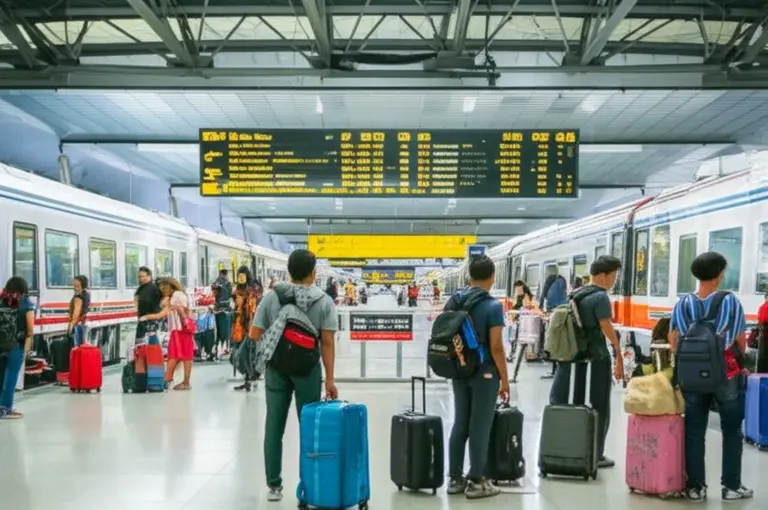
Train travel in Thailand offers a unique way to experience the country’s diverse landscapes, from sprawling rice paddies to dense forests. It’s generally slower than flying but provides a more authentic and comfortable journey, particularly for overnight trips. The State Railway of Thailand (SRT) operates the national rail network.
Types of Trains and Classes
Trains come in various classes, each offering different levels of comfort and price:
- First Class: Private, air-conditioned cabins with two berths, ideal for couples or those seeking privacy.
- Second Class (Sleeper): The most popular option for overnight travel. Berths are converted from seats, offering a comfortable sleep. Both air-conditioned and fan options are available. [5]
- Second Class (Seating): Comfortable reclining seats, often air-conditioned. Good for daytime journeys.
- Third Class: Basic, non-air-conditioned fan seats. Very cheap and offers a glimpse into local life, but can be crowded and hot for long distances. [5]
Popular Routes
The most iconic train journey is the overnight sleeper from Bangkok to Chiang Mai, offering stunning views and a comfortable ride. Other significant routes include:
- Bangkok to Surat Thani (for southern islands)
- Bangkok to Nong Khai (for Laos border)
- Bangkok to Ayutthaya (popular day trip)
Budget-Friendly Journeys: Buses Across Thailand
Buses are the most extensive and often the most economical way of Getting around Thailand, connecting virtually every town and city. They range from basic local services to luxurious VIP coaches. [5]
Bus Stations and Services
In Bangkok, there are three main bus terminals: Mo Chit (Northern Bus Terminal), Ekkamai (Eastern Bus Terminal), and Sai Tai Mai (Southern Bus Terminal). Each serves different regions of the country. Tickets can be bought directly at the station, from travel agents, or online via platforms like 12Go.asia.
VIP Buses vs. Local Buses
- VIP/First Class Buses: These offer air conditioning, reclining seats, sometimes even blankets, snacks, and a toilet on board. They are more expensive but provide a much more comfortable journey, especially for long distances.
- Second Class/Local Buses: These are cheaper, often without air conditioning (fan-only), and make more stops. They are suitable for shorter trips or if you’re on a very tight budget.
Night Buses and Long-Distance Travel
Night buses are common for routes like Bangkok to Chiang Mai or to the southern provinces. They save on accommodation costs and allow you to arrive at your destination refreshed. However, be mindful of your belongings on overnight journeys, keeping valuables close.
Island Hopping and Coastal Connections: Ferries in Thailand
Thailand’s stunning islands are a major draw, and ferries are the lifeblood connecting them to the mainland and to each other. Whether you’re headed to the Andaman Sea (Phuket, Krabi, Koh Phi Phi, Koh Lanta) or the Gulf of Thailand (Koh Samui, Koh Phangan, Koh Tao), you’ll rely on ferry services. [4]
Popular Ferry Routes
- Andaman Coast: Phuket to Koh Phi Phi, Krabi to Koh Lanta, Koh Lipe connections.
- Gulf Coast: Surat Thani/Chumphon to Koh Samui, Koh Phangan, Koh Tao.
Many companies offer combined bus+ferry tickets from major cities directly to the islands, simplifying the journey.
Speedboats vs. Slow Ferries
- Speedboats: Faster, more expensive, and can be bumpy in rough seas. Good for shorter distances or if time is critical.
- Slow Ferries: More affordable, stable, and offer better views. Ideal for longer crossings or if you prefer a calmer ride.
Booking and Safety Tips
Book ferry tickets in advance, especially during high season or around Full Moon Party dates on Koh Phangan. Always choose reputable operators. During monsoon season (roughly May to October), seas can be rough, and services may be delayed or cancelled. Always check weather forecasts.
Essential Tips for Domestic Travel in Thailand
Beyond the main modes of transport, there are several practical tips to enhance your travel experience while Getting around Thailand.
Booking in Advance
For popular routes, especially during peak season, booking flights, train sleepers, and popular ferry routes a few days or weeks in advance is highly recommended to secure your preferred times and avoid sold-out situations. Websites like 12Go.asia are popular for booking various transport types.
Local Transport (Tuk-tuks, Songthaews, Grab)
- Taxis: Widely available in major cities. Always insist on the meter (taxi meter) in Bangkok. Outside Bangkok, you might need to negotiate a fare. [4]
- Motorbike Taxis: Quick for short distances in traffic, but less safe. Always wear a helmet.
- Tuk-tuks: An iconic Thai experience, but fares must be negotiated beforehand and are often higher than taxis. Agree on the price before starting the ride. [3]
- Songthaews: Red pickup trucks with two benches in the back. Common in places like Chiang Mai and Phuket. They operate like shared taxis or buses on fixed routes, or can be hired privately. [4]
- Ride-hailing Apps: Grab (similar to Uber) is very popular and reliable in major cities like Bangkok, Chiang Mai, and Phuket. It offers fixed prices and various vehicle types, including cars and motorbikes. [4]
Cultural Considerations
Dress modestly when visiting temples and sacred sites. Always remove your shoes before entering temples or someone’s home. Politeness and a smile (the ‘wai’ gesture) go a long way in interactions with locals. [6]
Safety First: Ensuring a Secure Journey
While Thailand is generally a safe country for tourists, being aware of common issues and taking precautions can prevent problems.
Scams to Watch Out For
- Gem Scams: Avoid anyone offering unsolicited advice about ‘special’ gem sales or closed temples.
- Tuk-tuk Scams: Some drivers might try to take you to tailor shops or gem stores instead of your requested destination. Be firm.
- Jet Ski/Motorbike Rental Scams: Inspect vehicles thoroughly before renting and take photos. Some operators accuse tourists of damage upon return. Consider using a reputable rental agency or sticking to Grab/taxis.
Personal Safety and Valuables
- Keep valuables secure and out of sight, especially in crowded areas.
- Use hotel safes for passports and excess cash.
- Be wary of pickpockets, particularly in crowded markets or on public transport.
- Avoid walking alone in poorly lit areas at night.
- Drink responsibly and avoid accepting drinks from strangers.
Travel Insurance
Comprehensive travel insurance is highly recommended. It can cover medical emergencies, trip cancellations, lost luggage, and other unforeseen circumstances. [6]
By familiarizing yourself with these transportation options and safety guidelines, you’re well-equipped for Getting around Thailand with confidence and ease. Enjoy your journey through this enchanting country!
คำถามที่พบบ่อย (FAQ)
Q: What is the fastest way to travel long distances in Thailand?
A: Domestic flights are generally the fastest way to cover long distances in Thailand, connecting major cities and tourist hubs like Bangkok, Chiang Mai, and Phuket in a few hours. [4]
Q: Is it safe to use Grab or taxis in Thailand?
A: Yes, Grab and taxis are generally safe in Thailand, especially in major cities. Grab offers fixed prices and tracking, while for taxis, it’s crucial to insist on the meter (taxi meter) to avoid overcharging. [4]
Q: How do I get to the Thai islands?
A: To reach Thailand’s islands, you typically take a combination of domestic flight, train, or bus to a mainland port (e.g., Surat Thani, Krabi, Phuket), followed by a ferry or speedboat to your chosen island. Combined tickets are widely available. [4]
Q: What are the best ways to avoid scams when traveling in Thailand?
A: To avoid scams, always be wary of unsolicited offers or overly friendly strangers, especially around tourist attractions. Insist on metered taxis, inspect rental vehicles carefully, and book tours/excursions through reputable agencies. Trust your instincts. [4]
References
- THAILAND travel guide | EVERYTHING TO KNOW before you go – YouTube
- Thailand Know Before You Go: Expert Tips & Common Mistakes (2025) – YouTube
- ULTIMATE THAILAND TRAVEL GUIDE (Watch before coming here) – YouTube
- 14 Essential Tips for Traveling to Thailand – YouTube
- How to travel Thailand | The PERFECT 2 week Itinerary – YouTube
- Ultimate Thailand Travel Guide: Everything You Need to Know for Your First Trip
- Best time to visit Thailand and how to plan your itinerary for 7–14 days (weather, festivals, region-by-region highlights)
- Thailand entry requirements, visas, vaccinations, money, and travel insurance for first-time travelers