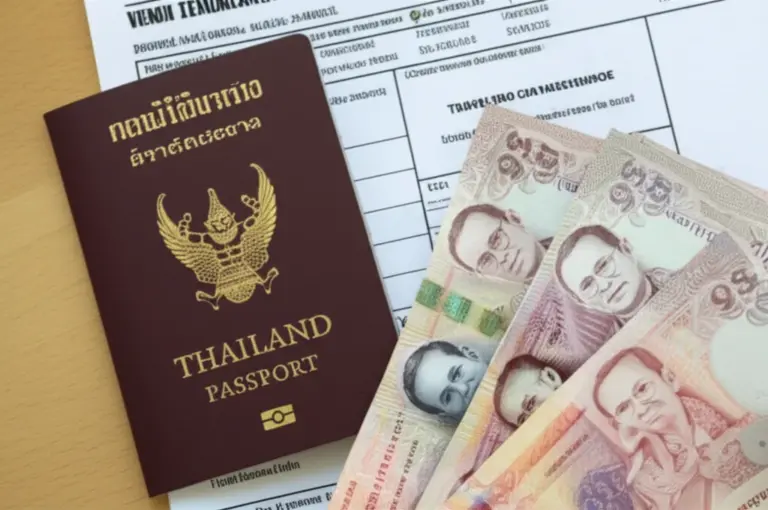
Thailand entry requirements, visas, vaccinations, money, and travel insurance for first-time travelers
Embarking on your first journey to the captivating ‘Land of Smiles’ is an exciting prospect, promising vibrant culture, stunning landscapes, and unforgettable experiences. To ensure your trip is as smooth and stress-free as possible, it’s crucial to understand the practicalities. This comprehensive guide is tailored for first-time visitors, covering everything from essential Thailand entry requirements and visa procedures to vital vaccinations, managing your money, and securing the right travel insurance. Get ready to dive into the heart of thailand Tourism with confidence and preparedness!
Before you even pack your bags, understanding the foundational entry requirements is paramount. Thailand has specific rules regarding passport validity, visa types, and a new digital arrival card system that all travelers must adhere to.
Passport Validity
Your passport must be valid for at least six months beyond your intended date of departure from Thailand. It should also have at least two blank pages for immigration stamps. Always double-check this well in advance of your travel dates to avoid any last-minute complications.
Visa Essentials for Thailand Tourism
For many nationalities, visiting Thailand is remarkably straightforward, often not requiring a pre-arranged visa for short stays. However, rules can change, and it’s essential to confirm your specific country’s requirements.
For longer stays, or if your nationality is not eligible for the visa exemption, you will need to apply for a Tourist Visa (TRV) from a Royal Thai Embassy or Consulate in your home country before departure. These typically allow stays of 60 days, which can often be extended for an additional 30 days at an immigration office in Thailand. Required documents usually include your passport, passport-sized photos, flight itinerary, accommodation details, and proof of financial means.
Health and Vaccination Guidelines
While no specific vaccinations are legally required for entry into Thailand from most Western countries (unless you are arriving from a yellow fever-risk area), it is highly recommended to consult your doctor or a travel clinic at least 4-6 weeks before your trip. They can advise on routine vaccinations and those recommended for travelers.
Always practice good hygiene, drink bottled water, and be mindful of street food hygiene, especially when exploring the vibrant culinary scene that defines thailand Tourism.
Managing Your Money in Thailand
Understanding the local currency and payment methods will significantly enhance your travel experience and help you budget effectively.
Currency and Exchange Rates
The official currency of Thailand is the Thai Baht (THB). It comes in denominations of coins (1, 2, 5, 10 Baht) and banknotes (20, 50, 100, 500, 1000 Baht). While you can exchange money at airports, you’ll generally find better rates at exchange booths in tourist areas or at banks. It’s advisable to carry some local currency for small purchases, street food, and local transportation.
Payment Methods
Cash is king in Thailand, especially for street vendors, local markets, and smaller establishments. ATMs are widely available, but be aware of foreign transaction fees charged by both your bank and the Thai ATM (typically 220 THB per transaction). Credit and debit cards are accepted in major hotels, upscale restaurants, and large department stores, but always have cash as a backup.
Budgeting for Your Trip
Thailand can cater to all budgets. A comfortable mid-range budget might be around 1,500-3,000 THB per day (approx. $40-$80 USD), covering decent accommodation, delicious food, and local transport. You can certainly travel on less if you stick to hostels, street food, and public transport, or spend much more for luxury experiences.
Essential Travel Insurance for a Worry-Free Trip
Travel insurance is not just an option; it’s a necessity for any international trip, especially to a country like Thailand. While generally safe, unforeseen circumstances can arise.
Why Travel Insurance is Non-Negotiable
From medical emergencies and trip cancellations to lost luggage and personal liability, a good travel insurance policy provides a crucial safety net. Healthcare in Thailand can be expensive for foreigners, and having coverage for medical treatment or emergency evacuation can save you from significant financial burden. Don’t let an unexpected incident derail your incredible thailand Tourism adventure.
What to Look For in a Policy
Ensure your policy covers:
- Medical Expenses: Including hospital stays, doctor visits, and prescription medications.
- Emergency Evacuation/Repatriation: Crucial for serious medical issues requiring transport to a higher-level facility or back home.
- Trip Cancellation/Interruption: Reimburses non-refundable expenses if your trip is cut short or cancelled due to covered reasons.
- Baggage Loss/Delay: Covers costs if your luggage is lost, stolen, or delayed.
- Personal Liability: Protects you if you accidentally cause injury or damage to property.
Practical Tips for First-Time Travelers
Beyond the official requirements, a few practical tips can make your first visit to Thailand even more enjoyable.
Local Customs and Etiquette
Thais are renowned for their hospitality. Show respect by dressing modestly, especially when visiting temples (cover shoulders and knees). The head is considered sacred, and the feet are the lowest; avoid touching someone’s head or pointing your feet at people or religious images. A ‘Wai’ (pressing palms together) is a common greeting. Always remove your shoes before entering temples or someone’s home.
Transportation
Getting around Thailand is easy and affordable. In cities like Bangkok, utilize the BTS Skytrain and MRT subway to avoid traffic. Taxis (insist on the meter), tuk-tuks, and ride-sharing apps (Grab) are readily available. For inter-city travel, domestic flights, comfortable buses, and trains are popular options.
Staying Safe
Thailand is generally safe for tourists. Be aware of common scams, especially around major tourist attractions. Always negotiate prices for tuk-tuks if a meter isn’t used. Keep valuables secure and be mindful of your surroundings, particularly at night. Trust your instincts.
Communication
English is widely spoken in tourist areas, but learning a few basic Thai phrases like ‘Sawasdee ka/krap’ (hello) and ‘Khop khun ka/krap’ (thank you) will be appreciated. Local SIM cards are affordable and provide excellent data coverage, making navigation and communication much easier.
Planning your route within Thailand? Here’s a general idea of the country’s layout:
With these preparations in hand, your first adventure into thailand Tourism will undoubtedly be a memorable one. From the bustling markets of Bangkok to the serene beaches of Phuket and the cultural richness of Chiang Mai, Thailand offers an unparalleled travel experience. Embrace the culture, savor the food, and enjoy every moment of your journey!
คำถามที่พบบ่อย (FAQ)
Q: Do I need a visa to enter Thailand as a first-time traveler?
A: It depends on your nationality. Many countries are granted a visa exemption for stays of 30 or 45 days. However, if you plan to stay longer or are from a country not on the exemption list, you will need to apply for a Tourist Visa (TRV) in advance. Always check the latest requirements from the Royal Thai Embassy or Consulate in your country. [6]
Q: What vaccinations are recommended for Thailand?
A: While no specific vaccinations are legally required for entry from most Western countries, it’s highly recommended to be up-to-date on routine vaccinations (MMR, DTaP, Polio). Additionally, Hepatitis A and B, Typhoid, and potentially Japanese Encephalitis or Rabies are often recommended, depending on your travel plans. Consult your doctor or a travel clinic. [2]
Q: What is the best way to manage money in Thailand?
A: The local currency is the Thai Baht (THB). While credit cards are accepted in larger establishments, cash is widely used, especially for street food and local markets. You can exchange currency at banks or exchange booths, or withdraw from ATMs (be mindful of fees). It’s always good to have a mix of cash and cards. [6]
Q: Is travel insurance really necessary for Thailand?
A: Yes, absolutely. Travel insurance is highly recommended. It provides crucial coverage for unforeseen circumstances such as medical emergencies, trip cancellations, lost luggage, and personal liability. Healthcare costs for foreigners in Thailand can be substantial, making insurance an essential safety net. [7]
References
The ULTIMATE Guide to Thailand Travel in 2025! [6]
Thailand Know Before You Go: Expert Tips & Common Mistakes (2025) [2]
20 Things To Know Before You Come To Thailand (Q&A) [7]
- Ultimate Thailand Travel Guide: Everything You Need to Know for Your First Trip
- Best time to visit Thailand and how to plan your itinerary for 7–14 days (weather, festivals, region-by-region highlights)
- Getting around Thailand: flights, trains, buses, ferries, and tips for domestic travel and safety