Bangkok’s Grand Palace & Wat Pho: The Ultimate Visitor’s Guide to Temples, History, and Practical Tips
Welcome to Bangkok, a city where ancient traditions beautifully intertwine with modern vibrancy. Among its myriad treasures, Bangkok’s Grand Palace and Wat Pho stand as monumental testaments to Thailand’s rich history, profound spirituality, and exquisite artistry. These two iconic sites are not merely tourist attractions; they are living museums, sacred spaces, and cultural keystones that offer an unparalleled glimpse into the heart of the Thai kingdom. This ultimate visitor’s guide is designed to equip you with all the essential information and practical tips needed to make your exploration of these magnificent temples an unforgettable experience.
A Glimpse into Royal History: The Grand Palace
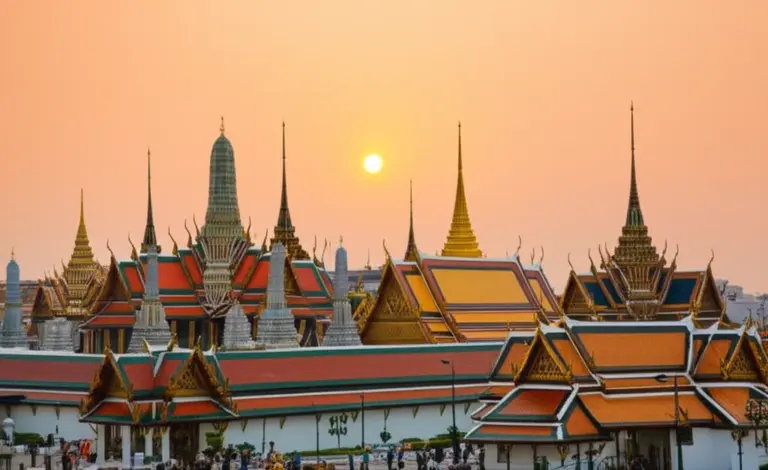
The Grand Palace, a sprawling complex of buildings, has been the official residence of the Kings of Siam (and later Thailand) since 1782. [8, 11] Built by King Rama I, the founder of the Chakri Dynasty, it served as the seat of government and the royal court for over 150 years. [9, 10] While the current monarch resides elsewhere, the Grand Palace remains a vital center for royal ceremonies and state functions, exuding an aura of majesty and historical significance. [9] Its intricate architecture, dazzling gold leaf, and vibrant murals tell tales of kings, battles, and a nation’s enduring spirit.
The Emerald Buddha Temple (Wat Phra Kaew)
Nestled within the Grand Palace grounds is Wat Phra Kaew, also known as the Temple of the Emerald Buddha. [3] This is arguably the most sacred Buddhist temple in Thailand, housing the revered Emerald Buddha image, meticulously carved from a single block of jade. [3] The statue itself is relatively small, but its spiritual significance is immense. Visitors are not permitted to photograph the Emerald Buddha directly, and a strict dress code is enforced out of respect for this holy site. The surrounding cloisters are adorned with detailed murals depicting the entire Ramakien, the Thai national epic, offering a visual feast of ancient mythology.
Architectural Marvels and Royal Residences
Beyond Wat Phra Kaew, the Grand Palace complex showcases a variety of architectural styles, reflecting its organic development over centuries. [9] Highlights include the Phra Thinang Chakri Maha Prasat, a striking blend of Thai and European architectural elements, and the Phra Thinang Dusit Maha Prasat, a traditional Thai-style building. [3, 8] While not all areas are open to the public, visitors can admire the exteriors of many throne halls and royal residences, marveling at the intricate details, vibrant colors, and golden spires that define Thai royal architecture.
Grand Palace Dress Code and Etiquette
A strict dress code is enforced at the Grand Palace. Shoulders and knees must be covered for both men and women. For men, long pants are required, and shirts must have sleeves. For women, long skirts or pants and shirts with sleeves are necessary. [14] Sandals and flip-flops are generally acceptable, but shoes must be removed before entering any temple buildings. It’s advisable to wear lightweight, breathable clothing due to Bangkok’s tropical climate. Respectful behavior is also paramount; avoid loud conversations and keep your voice down, especially inside the temples.
The Serenity of Wat Pho: Home of the Reclining Buddha
Just a short walk south of the Grand Palace lies Wat Pho, officially known as Wat Phra Chetuphon Wimon Mangkhalaram Rajwaramahawihan. [2, 6] This is one of Bangkok’s oldest and largest temple complexes, renowned for its colossal Reclining Buddha statue and its historical role as a center for traditional Thai medicine and massage. [4, 5] The peaceful ambiance and the sheer scale of its attractions make Wat Pho a truly captivating destination.
The Awe-Inspiring Reclining Buddha
The highlight of Wat Pho is undoubtedly the magnificent Reclining Buddha, a massive gold-plated statue measuring 46 meters long and 15 meters high. [4, 15] This impressive figure depicts the Buddha entering nirvana, with his feet intricately inlaid with mother-of-pearl, illustrating 108 auspicious characteristics of the Buddha. As you walk around the statue, you’ll find 108 bronze bowls where visitors can drop coins for good luck and to contribute to the temple’s upkeep. The sheer size and serene expression of the statue are truly breathtaking.
Traditional Thai Massage School
Wat Pho is widely regarded as the birthplace of traditional Thai massage. [2] Within the temple grounds, you’ll find a renowned massage school that continues to teach and practice this ancient healing art. Visitors have the unique opportunity to experience an authentic Thai massage from trained practitioners. This offers a relaxing break from sightseeing and a direct connection to a significant part of Thai cultural heritage. Prices typically range from 250 to 500 baht depending on the duration. [5]
Exploring Wat Pho’s Grounds
The Wat Pho complex is vast, with numerous stupas, chapels, and pavilions to explore. It houses over a thousand Buddha images, many of which were brought from ancient capitals like Sukhothai and Ayutthaya. [6, 7] The intricate details of the architecture, the vibrant ceramic work, and the tranquil courtyards make for a fascinating wander. Allow ample time to discover its many hidden corners and soak in the spiritual atmosphere.
Practical Tips for Your Visit
To ensure a smooth and enjoyable visit to Bangkok’s Grand Palace and Wat Pho, consider the following practical advice:
Getting There: Transportation Options
Both the Grand Palace and Wat Pho are located in the historic Rattanakosin Island area, close to the Chao Phraya River. [2, 8] The most scenic and often quickest way to reach them is by taking the Chao Phraya Express Boat to Tha Chang Pier (for the Grand Palace) or Tha Tien Pier (for Wat Pho). [2, 5] From these piers, both sites are just a short walk away. Alternatively, you can use ride-hailing apps, taxis, or tuk-tuks. If using the MRT, Sanam Chai station is about a 10-minute walk to Wat Pho. [5]
Best Time to Visit and Avoiding Crowds
To avoid the largest crowds and the midday heat, it’s best to visit early in the morning, right when they open. The Grand Palace opens daily from 8:30 AM to 3:30 PM, and Wat Pho from 8:00 AM to 6:30 PM. [3, 4] Weekdays are generally less crowded than weekends. Allocate at least 2-3 hours for the Grand Palace and 1.5-2 hours for Wat Pho to fully appreciate their grandeur.
Entrance Fees and Opening Hours
| Attraction | Opening Hours | Entrance Fee (Foreigners) |
|---|---|---|
| The Grand Palace | Daily, 8:30 AM – 3:30 PM | 500 THB [11] |
| Wat Pho | Daily, 8:00 AM – 6:30 PM | 200 THB [7] |
What to Bring and What to Avoid
Bring plenty of water, as it can get very hot and humid. A hat and sunglasses are also recommended. While photography is generally allowed, be mindful of signs prohibiting it in certain areas, especially inside sacred buildings. For the Grand Palace, avoid bringing large bags if possible, as there might be security checks. Most importantly, bring an open mind and a respectful attitude to truly appreciate these cultural and spiritual landmarks.
Combining Your Visit with Nearby Attractions
Given their proximity, it’s highly recommended to visit the Grand Palace and Wat Pho on the same day. You can easily walk between them. [4] Afterwards, consider taking a short ferry ride across the Chao Phraya River to Wat Arun (Temple of Dawn), another iconic Bangkok landmark known for its stunning riverside spires. [5] The lively Amulet Market and the bustling Khao San Road are also within walking distance or a short tuk-tuk ride, offering further cultural immersion.
Here’s a map to help you navigate to the Grand Palace and Wat Pho:
Visiting Bangkok’s Grand Palace & Wat Pho is an immersive journey into Thailand’s royal and spiritual heritage. These sites, with their breathtaking beauty and profound history, offer more than just sightseeing; they provide an opportunity to connect with the soul of a nation. By following this guide, you’re well-equipped to experience the majesty and serenity of these unparalleled treasures, making your trip to Bangkok truly unforgettable.
คำถามที่พบบ่อย (FAQ)
References
- Tourism Authority of Thailand: The Grand Palace
- The Grand Palace Official Website
- Thailand Magazine: Wat Pho & the Reclining Buddha
- Hotels.com: Wat Pho in Bangkok
- Hotels.com: The Grand Palace in Bangkok
- Exploring Bangkok’s Grand Palace & Temples | Thailand (YouTube)
- Overview of the Grand Palace and Wat Pho: History, Significance, and Must-See Highlights for First-Time Visitors
- Planning Your Visit: Best Times, Ticketing, Dress Code, Guided Tours, and How to Avoid Crowds at Bangkok’s Top Temples
- Exploring Key Attractions in Detail: The Emerald Buddha, Royal Halls, Reclining Buddha, Chapel Architecture, and Cultural Etiquette