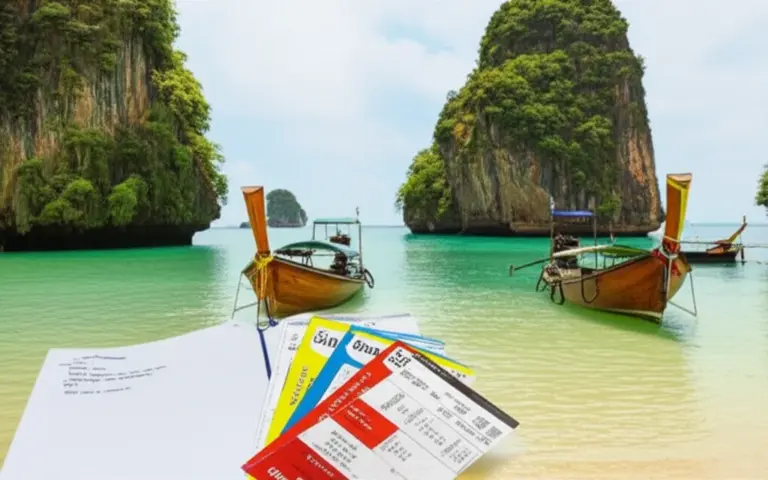
How to Plan Your Trip to Railay and Krabi — Getting There, Where to Stay, Permits, and Budgeting for Climbers
- How to Plan Your Trip to Railay and Krabi — Getting There, Where to Stay, Permits, and Budgeting for Climbers
- Getting There: Your Gateway to Paradise
- Where to Stay: Your Base Camp for Adventure
- Permits and Regulations for Climbers
- Budgeting for Climbers: Making Your Baht Go Further
- Beyond the Climbs: Exploring Railay and Krabi
- Railay and Krabi on the Map
- Conclusion
- คำถามที่พบบ่อย (FAQ)
- Do I need a special permit to rock climb in Railay?
- What’s the best way to get to Railay Beach from Krabi Airport?
- Is Railay suitable for beginner climbers?
- What’s the difference between Railay West and Railay East accommodation?
Embarking on a journey to Railay and Krabi in Southern Thailand offers an unparalleled blend of stunning natural beauty, adventurous activities, and serene relaxation. For those passionate about rock climbing, this region, a jewel in the crown of Thailand Tourism, presents world-class limestone cliffs that draw enthusiasts from across the globe. This comprehensive guide will walk you through every essential step, from navigating your way there and finding the perfect place to stay, to understanding permits and managing your budget, ensuring your climbing expedition and overall travel experience are seamless and unforgettable.
Getting There: Your Gateway to Paradise
Accessing Railay and Krabi involves a combination of air and sea travel, as Railay Beach is famously inaccessible by road due to its towering limestone karsts. Your primary entry point will likely be Krabi International Airport (KBV). From there, you have several options to reach your final destination.
Flights to Krabi
Numerous airlines offer direct flights to Krabi from Bangkok (Don Mueang or Suvarnabhumi), as well as from other major Thai cities like Chiang Mai and international hubs like Kuala Lumpur and Singapore. Booking in advance, especially during peak season (November to April), is highly recommended to secure better fares. Upon arrival at KBV, you’ll need to transfer to a pier.
From Krabi Airport to Railay/Ao Nang
The most common way to get from Krabi Airport to the boat piers is by shared minivan or private taxi. Minivans typically cost around 150-200 THB per person and will take you directly to Ao Nang Beach or Ao Nammao Pier, which are the main departure points for longtail boats to Railay. Taxis offer more flexibility but are pricier. The journey from the airport to the pier takes approximately 30-45 minutes.
Longtail Boats to Railay
Once at Ao Nang or Ao Nammao, you’ll board a traditional longtail boat. Tickets are purchased at designated booths and cost around 100-150 THB per person. Boats typically depart when they have enough passengers (usually 8-10 people). The scenic ride to Railay West or Railay East takes about 10-15 minutes, offering your first glimpse of the dramatic limestone cliffs. Be prepared to wade through shallow water to get on and off the boat, especially during low tide, so wear appropriate footwear. For those interested in an immersive visual guide on how to navigate this beautiful region, consider watching this video:
Where to Stay: Your Base Camp for Adventure
Railay and Krabi offer a diverse range of accommodation options to suit every budget and preference, from luxurious resorts to budget-friendly bungalows.
Railay Beach: West, East, and Tonsai
-
Railay West: Known for its stunning sunsets and a livelier atmosphere, Railay West hosts a mix of mid-range to upscale resorts. It’s the main entry point for longtail boats from Ao Nang and offers direct access to the beach.
-
Railay East: This side is characterized by mangroves and is less suitable for swimming, but it’s where you’ll find a greater concentration of budget guesthouses, restaurants, and bars. Many climbing schools are also located here. It’s a short walk (5-10 minutes) to Railay West and Phra Nang Beach.
-
Tonsai Beach: Just north of Railay West, Tonsai is the quintessential climber’s haven. Accessible by a short hike over a jungle path from Railay West (or by longtail boat), it offers rustic, affordable bungalows and a vibrant, laid-back climbing community vibe. It’s perfect if you prioritize climbing and a relaxed atmosphere over luxury.
Ao Nang and Krabi Town
If you prefer a wider selection of shops, restaurants, and nightlife, consider staying in Ao Nang. It’s a bustling beach town with frequent longtail boat connections to Railay (about 10-15 minutes). Krabi Town, while further inland, offers a more authentic Thai experience with local markets and temples, but requires more travel time to the beaches and climbing spots.
Permits and Regulations for Climbers
Good news for climbers: there are generally no specific permits required to simply climb on the limestone cliffs in Railay and Tonsai. The climbing areas are largely open access. However, it’s crucial to be aware of and respect local regulations and environmental considerations.
Important Considerations:
- National Park Fees: Some popular climbing areas, particularly those on islands or within designated national park zones (e.g., Phra Nang Beach, which is part of Hat Noppharat Thara–Mu Ko Phi Phi National Park), may require an entrance fee. This fee is usually collected upon entry to the beach or when visiting by boat. Keep your ticket as it may be valid for multiple entries on the same day.
- Guided Tours: If you’re new to climbing or unfamiliar with the routes, hiring a local guide or joining a climbing school is highly recommended. These schools are well-versed in safe practices, local ethics, and often have access to well-maintained equipment. They will handle any necessary fees or permissions for specific routes.
- Environmental Respect: Always practice Leave No Trace principles. Do not litter, damage rock formations, or disturb local wildlife. Stick to established paths and climbing routes.
- Safety: While not a permit, ensuring your own safety is paramount. Use proper, well-maintained gear, climb with experienced partners, and be aware of weather conditions. Consider travel insurance that covers adventurous activities.
Budgeting for Climbers: Making Your Baht Go Further
A climbing trip to Railay and Krabi can be surprisingly affordable, especially if you plan well. Here’s a breakdown of typical costs:
| Category | Budget (THB/day) | Mid-Range (THB/day) | High-End (THB/day) |
|---|---|---|---|
| Accommodation | 300-700 (Tonsai bungalow/guesthouse) | 800-2,000 (Railay East/West resort) | 2,500+ (Luxury resort) |
| Food & Drinks | 200-400 (Local eateries, street food) | 500-1,000 (Restaurant meals, some drinks) | 1,000+ (Fine dining, cocktails) |
| Climbing (Courses/Gear Rental) | 500-1,000 (Half-day rental/basic intro) | 1,200-2,500 (Full-day course/guided tour) | 2,500+ (Multi-day course, private guide) |
| Transportation (Local) | 50-200 (Longtail boats, walking) | 100-300 (Longtail boats, occasional taxi) | 200-500 (Private transfers) |
| Miscellaneous (Activities, Fees) | 100-300 (National park fees, small expenses) | 300-800 (Island tours, massages) | 800+ (Spa treatments, private excursions) |
| Estimated Total | 1,150 – 2,600 THB | 2,900 – 6,600 THB | 7,000+ THB |
Tips for Saving Money:
- Eat at local Thai restaurants and street food stalls.
- Stay in Tonsai or budget guesthouses in Railay East.
- If you have your own climbing gear, bring it to save on rental costs.
- Consider multi-day climbing packages, which can be more cost-effective.
- Drink tap water (if filtered/boiled) or refillable water bottles to reduce plastic waste and cost.
Beyond the Climbs: Exploring Railay and Krabi
While climbing might be your main draw, Railay and Krabi offer a wealth of other activities. Don’t miss exploring Phra Nang Cave Beach, often hailed as one of the most beautiful beaches in the world, with its unique Princess Cave. Take an island-hopping tour to nearby islands like Poda, Chicken, and Tup Island for snorkeling and pristine beaches. Hike to the Railay Viewpoint for panoramic vistas or venture to the hidden Princess Lagoon. Kayaking, stand-up paddleboarding, and Thai cooking classes are also popular choices. For a broader perspective of the region, this forms an essential part of the larger Thailand Tourism experience.
Railay and Krabi on the Map
To help you visualize your adventure, here’s the location of Railay Beach within Krabi Province:
Conclusion
Planning a trip to Railay and Krabi as a climber is an exciting endeavor that promises breathtaking scenery, challenging climbs, and a vibrant travel experience. By understanding the transportation logistics, selecting the right accommodation, being mindful of local guidelines, and budgeting wisely, you can ensure a smooth and incredibly rewarding adventure. Whether you’re a seasoned pro or a beginner eager to try your hand at rock climbing, this corner of Thailand is ready to welcome you to its magnificent limestone playground.
คำถามที่พบบ่อย (FAQ)
References
- The Ultimate Guide to Railay Beach: What to Do & Where to Go – YouTube
- Railay Beach, Krabi Thailand Dynamic Google Maps
- Railay Beach (Krabi): How to Visit + What to Expect – AwayGoWe
- Railay and Krabi Rock Climbing: An Adventurer’s Guide to Routes, Tips, and Local Logistics
- Why Railay and Krabi Are World-Class Rock Climbing Destinations — Best Seasons, Climbing Styles, and What Makes the Limestone Unique
- Top Routes and Areas in Railay and Tonsai — Grades, Route Types, and Recommended Multi-pitch and Sport Climbs for All Levels