Zero waste fruit farm tour in Khlung: experiential guide to composting, refill stations, and sustainable practices
- Zero waste fruit farm tour in Khlung: experiential guide to composting, refill stations, and sustainable practices
- The Philosophy of Zero Waste in Khlung’s Orchards
- Mastering Composting: From Fruit Peels to Black Gold
- Refill Stations: Redefining the Farm-to-Table Experience
- Sustainable Practices and Water Management
- What to Expect on Your Visit
- คำถามที่พบบ่อย (FAQ)
- What is the best time to visit Khlung for a fruit farm tour?
- Should I bring my own containers for the refill stations?
- Are these tours suitable for children?
- How can I book a Zero waste fruit farm tour in Khlung?
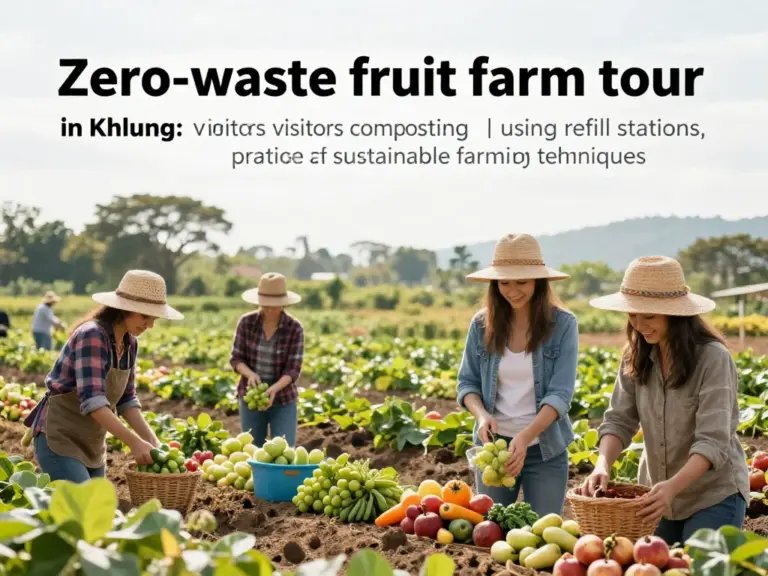
Embarking on a Zero waste fruit farm tour in Khlung is more than just a sightseeing trip; it is an immersion into the future of regenerative agriculture. Located in the heart of Chanthaburi province, Khlung has emerged as a pioneer in sustainable tourism, blending the region’s rich fruit-growing heritage with modern circular economy principles. This guide explores how local farmers are transforming their orchards into zero-waste ecosystems through innovative composting, the introduction of refill stations, and a deep commitment to environmental stewardship.
The Philosophy of Zero Waste in Khlung’s Orchards
At the core of the Zero waste fruit farm tour in Khlung is the concept of ‘closing the loop.’ Traditionally, fruit farming can generate significant organic waste from fallen fruit, husks, and pruning. However, the farms in Khlung have adopted a philosophy where every byproduct is viewed as a resource. This shift not only reduces the carbon footprint of the farm but also enhances the biodiversity of the soil, leading to healthier, more flavorful fruit that represents the true essence of Chanthaburi’s terroir.
Mastering Composting: From Fruit Peels to Black Gold
One of the most educational aspects of the tour is the deep dive into advanced composting techniques. Visitors can witness firsthand how durian husks—which are notoriously difficult to decompose due to their tough, fibrous nature—are shredded and mixed with microorganisms to create nutrient-rich organic fertilizer.
Types of Composting You Will Encounter:
- Aerobic Composting: Large-scale piles that are regularly turned to introduce oxygen, speeding up the breakdown of organic matter.
- Vermicomposting: Utilizing earthworms to process softer fruit waste into high-quality castings.
- Liquid Bio-Fertilizers: Fermenting overripe fruits to create natural growth stimulants for the trees.
Refill Stations: Redefining the Farm-to-Table Experience
A unique feature of the Zero waste fruit farm tour in Khlung is the integration of refill stations. These stations allow visitors to purchase farm-made products such as virgin coconut oil, fruit vinegars, and organic soaps without the need for single-use plastic packaging. Visitors are encouraged to bring their own containers or use sterilized glass bottles provided by the farm. This initiative significantly reduces the plastic waste typically associated with tourism and supports the local community’s goal of becoming a plastic-free zone.
| Product Type | Sustainable Packaging | Eco-Benefit |
|---|---|---|
| Fruit Vinegars | Glass Refills | Zero Plastic Waste |
| Dried Mangosteen | Biodegradable Paper | Compostable |
| Organic Honey | Reusable Jars | Local Pollinator Support |
Sustainable Practices and Water Management
Sustainability in Khlung extends beyond waste management to include sophisticated water conservation. Many farms utilize solar-powered irrigation systems and rainwater harvesting to ensure that their water usage remains within the limits of the local ecosystem. During your Zero waste fruit farm tour in Khlung, guides will explain how mulching—using composted materials to cover the soil—helps retain moisture and prevents erosion, further showcasing the interconnectedness of these green practices.
What to Expect on Your Visit
When you book a Zero waste fruit farm tour in Khlung, expect an active, hands-on day. You might find yourself helping to sort organic waste, tasting seasonal fruits directly from the tree, or participating in a workshop on how to make your own bio-extracts. The air is fresh, the landscape is vibrant, and the knowledge shared by the local farmers is invaluable for anyone interested in sustainable living.
คำถามที่พบบ่อย (FAQ)
References
- Tourism Authority of Thailand (TAT)
- Official Chanthaburi Provincial Website
- Global Standards for Sustainable Agriculture
- Why visit a zero waste fruit farm in Khlung? Benefits, what to expect, and how to prepare
- How the farm’s composting system works: step-by-step process, visitor participation, and environmental impact
- Refill station guide: what products are available, packaging-free shopping tips, and how to support local circular economy