Planning Your Trip: Best Times to Visit, How to Get There, Transportation Between Ayutthaya and Sukhothai, and Suggested Itineraries
- Planning Your Trip: Best Times to Visit, How to Get There, Transportation Between Ayutthaya and Sukhothai, and Suggested Itineraries
- The Ultimate Guide to Ayutthaya and Sukhothai Travel
- Timing Your Trip: The Best Seasons to Explore Thailand’s History
- Getting Started: How to Reach Ayutthaya and Sukhothai
- Transportation Between Ayutthaya and Sukhothai: Logistics Made Easy
- Suggested Itineraries for History Buffs
- Exploring the Historical Parks (Local Transport)
- คำถามที่พบบ่อย (FAQ)
The Ultimate Guide to Ayutthaya and Sukhothai Travel
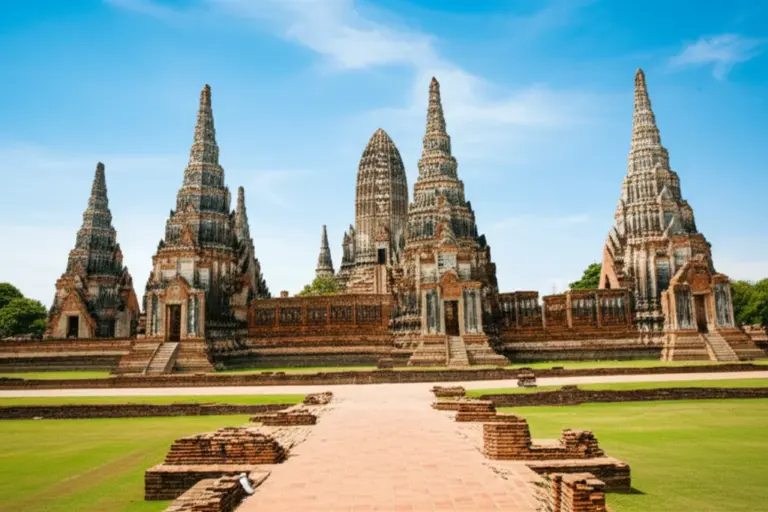
For tourists visiting Thailand, a journey through the former capitals offers a profound understanding of the nation’s cultural genesis. Ayutthaya, the capital from 1350 to 1767, boasts massive brick ruins showcasing its imperial power, while Sukhothai, the first capital of Siam (1238–1438), features serene, elegant Buddha statues and sprawling historical parks. Successfully navigating the distance and logistics between these two UNESCO World Heritage Sites is key to seamless Ayutthaya and Sukhothai travel.
Why Visit Ayutthaya and Sukhothai?
Both cities represent pivotal eras in Thai history. Ayutthaya’s ruins are characterized by large prangs (towers) and massive temple complexes built during its period of wealth and dominance. Sukhothai, conversely, is known for its distinctive architectural style—often called the “Sukhothai style”—which emphasizes grace, harmony, and the iconic walking Buddha image. Visiting both provides a complete chronological picture of the ancient kingdoms.
Timing Your Trip: The Best Seasons to Explore Thailand’s History
The timing of your visit significantly impacts your experience, especially when exploring sprawling outdoor parks. Thailand generally experiences three distinct seasons: cool, hot, and rainy.
The Cool Season (November to February)
This is universally considered the best time to visit. Temperatures are pleasant (20°C to 30°C), humidity is low, and the skies are clear. While this is peak tourist season, the comfortable weather makes cycling or walking around the historical parks much more enjoyable.
The Hot Season (March to May)
Temperatures can soar above 40°C. Touring the ruins during the day can be exhausting and potentially dangerous if not managed properly. If traveling now, plan visits for early mornings and late afternoons, and reserve midday for shaded activities or travel.
The Rainy Season (June to October)
Expect heavy, but usually short, afternoon downpours. The benefit is lush green landscapes and fewer crowds. The rain often cools the air, offering a welcome break from the heat. Waterproof gear is essential, but the historical sites remain fully accessible.
Getting Started: How to Reach Ayutthaya and Sukhothai
Reaching Ayutthaya (From Bangkok)
Ayutthaya is easily accessible from Bangkok, making it a popular day trip or the first stop on a historical tour. The most scenic and traditional way is by train from Hua Lamphong Station (Bangkok), taking about 1.5 to 2 hours. Alternatively, minivans depart frequently from Mo Chit Bus Terminal, offering a slightly faster, though less comfortable, option.
Reaching Sukhothai (From Bangkok)
Sukhothai is located significantly further north. While direct buses run from Bangkok’s Mo Chit terminal (approximately 7-9 hours), the fastest method is often flying. Bangkok Airways operates direct flights from Bangkok (Suvarnabhumi, BKK) to Sukhothai Airport (THS). From the airport, a shuttle or taxi is needed to reach Sukhothai city or the Old City (Historical Park area), which are about 30 km apart.
Transportation Between Ayutthaya and Sukhothai: Logistics Made Easy
The distance between Ayutthaya and Sukhothai is considerable—approximately 380 to 420 kilometers, depending on the route. There is no single, direct high-speed link, so travelers must choose between comfort, speed, and cost.
Option 1: The Train Journey (Ayutthaya to Phitsanulok)
While there is no train station in Sukhothai itself, the northern railway line passes through Phitsanulok, which is about 60 km away. You can take a train directly from Ayutthaya to Phitsanulok (4-6 hours). From Phitsanulok, frequent local buses or minivans make the final leg of the journey to Sukhothai (about 1 hour). This is often the most atmospheric and budget-friendly option for intercity travel.
Option 2: Direct Bus Services
Several bus companies offer direct connections between Ayutthaya and Sukhothai (or the nearby Phitsanulok terminal). The bus journey takes approximately 6-7 hours. This is the most straightforward option, avoiding transfers. Buses are generally air-conditioned and relatively inexpensive. Check schedules at Ayutthaya’s main bus station.
Option 3: Domestic Flights (via Bangkok)
If time is of the essence, flying is the fastest, though most expensive, choice. This usually involves backtracking: Ayutthaya to Bangkok (2 hours by train/van), followed by a flight from Bangkok to Sukhothai (1 hour). This is only recommended if you have a significant gap in your schedule or need to travel immediately.
Suggested Itineraries for History Buffs
To fully appreciate both historical parks without rushing, dedicated time is necessary.
The 5-Day Historical Loop
| Day | Activity | Focus |
|---|---|---|
| Day 1 | Arrive in Ayutthaya, explore the central island temples (Wat Mahathat, Wat Ratchaburana). | Ayutthaya UNESCO Core |
| Day 2 | Ayutthaya outer temples (Wat Chaiwatthanaram), travel to Phitsanulok/Sukhothai in the afternoon. | Transition Day |
| Day 3 | Explore Sukhothai Historical Park (Central Zone) by bicycle. | Sukhothai Main Site |
| Day 4 | Explore Sukhothai North and West Zones (less crowded, more scenic). | Remote Ruins |
| Day 5 | Morning market visit, departure from Sukhothai. | Departure |
The 7-Day Relaxed Explorer
Add an extra night in each city and utilize the additional time for exploring local museums, night markets, or visiting the nearby Si Satchanalai Historical Park (from Sukhothai), which offers equally stunning but quieter ruins.
Exploring the Historical Parks (Local Transport)
Once you arrive in Ayutthaya or Sukhothai, getting around the historical parks is straightforward.
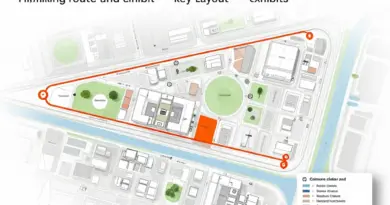
In Ayutthaya, the ruins are relatively concentrated. Renting a bicycle is highly popular (50 THB/day), or you can hire a tuk-tuk driver for a half-day tour. In Sukhothai, the Historical Park is much larger. Cycling is the definitive way to explore the Central, North, and West zones. The historical park entrance is located here:
Watch a Visual Guide to Thailand’s Ancient Capitals
คำถามที่พบบ่อย (FAQ)
References
For current train schedules and ticket prices, please consult the State Railway of Thailand website.
- Ayutthaya & Sukhothai: A Complete Guide to Exploring Thailand’s Ancient Capitals and Their Historical Parks
- Why Ayutthaya and Sukhothai Matter: History, UNESCO Status, and What to Expect When Visiting Ancient Capitals
- Top Sites and Hidden Gems: Must-See Temples, Historical Park Highlights, Local Museums, and Photogenic Ruins in Ayutthaya and Sukhothai