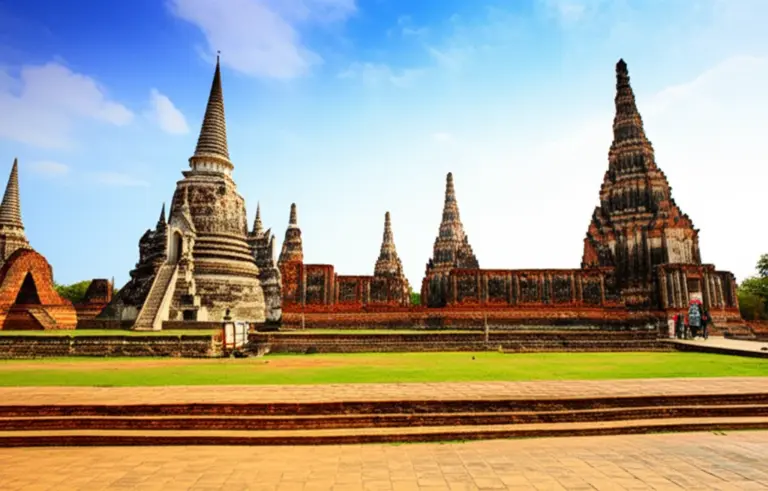
Why Ayutthaya and Sukhothai Matter: History, UNESCO Status, and What to Expect When Visiting Ancient Capitals
- Why Ayutthaya and Sukhothai Matter: History, UNESCO Status, and What to Expect When Visiting Ancient Capitals
- The Enduring Legacy of Thailand’s Ancient Capitals
- Sukhothai: The Dawn of Happiness (1238–1438)
- Ayutthaya: The Golden Age of Siam (1351–1767)
- UNESCO World Heritage Status: Preservation and Importance
- Planning Your Visit: What to Expect
- A Tale of Two Capitals: Key Differences for Tourists
- Conclusion: More Than Just Ruins
- คำถามที่พบบ่อย (FAQ)
The Enduring Legacy of Thailand’s Ancient Capitals
Visiting the historical parks of Ayutthaya and Sukhothai is essential for any serious exploration of Thailand’s past. These two kingdoms represent distinct phases of Siamese civilization, each leaving an indelible mark on art, architecture, and governance. While both are recognized as UNESCO World Heritage Sites, their histories, styles, and the visitor experiences they offer contrast sharply, making a comparison invaluable for travelers.
Sukhothai: The Dawn of Happiness (1238–1438)
Sukhothai, meaning ‘Dawn of Happiness,’ is often considered the first true independent Thai kingdom. Established in the mid-13th century, it laid the foundation for Thai language, script, and Theravada Buddhism as the state religion. The historical park, located in Northern Thailand, is characterized by a unique sense of tranquility and open space.
Historical Significance and Key Sites
The Sukhothai style of art is renowned for its elegance and grace, particularly the iconic ‘walking Buddha’ image, which symbolizes movement and compassion. The kingdom flourished under King Ramkhamhaeng the Great, who is credited with creating the Thai alphabet. Key sites within the expansive Sukhothai Historical Park include Wat Mahathat, the spiritual center of the kingdom, and Wat Si Chum, famous for its massive seated Buddha image (Phra Ajana).
Ayutthaya: The Golden Age of Siam (1351–1767)
Succeeding Sukhothai, the Kingdom of Ayutthaya became one of the most powerful and wealthy empires in Southeast Asia. For over 400 years, Ayutthaya served as the capital, strategically located on an island surrounded by rivers, facilitating massive international trade with nations ranging from China and Japan to Portugal and France. The city’s grandeur was legendary, boasting hundreds of temples and palaces.
Power, Trade, and Destruction
Ayutthaya architecture reflects its cosmopolitan nature, blending Khmer influences (seen in its towering prangs) with local styles, resulting in monumental structures. The city’s history tragically culminated in 1767 when it was completely sacked and destroyed by the Burmese army, leading to the collapse of the kingdom. Today, the dramatic, headless Buddha statues and crumbling brick temples serve as poignant reminders of this magnificent empire’s demise. Must-see sites include Wat Chaiwatthanaram, Wat Phra Si Sanphet, and the famous Buddha head entwined in the roots of a banyan tree at Wat Mahathat (a different Wat Mahathat than the one in Sukhothai).
UNESCO World Heritage Status: Preservation and Importance
Both the Sukhothai Historical Park and the Ayutthaya Historical Park have been recognized by UNESCO for their outstanding universal value. This status underscores their importance not just to Thai history, but to global cultural heritage. The recognition provides crucial resources for conservation, ensuring these ancient centers of culture remain accessible for future generations of travelers and historians.
- Sukhothai: Recognized for its distinct artistic and architectural style, which marks the beginning of Thai national identity and culture.
- Ayutthaya: Recognized for its scale, the evidence of its role as an international trading capital, and the grandeur of its remaining ruins.
Planning Your Visit: What to Expect
Ayutthaya: Close to Bangkok and Easily Explored
Ayutthaya’s proximity to Bangkok (about 1.5 to 2 hours by train or minibus) makes it an extremely popular day trip destination. The ruins are integrated into the modern town, meaning you often travel between sites on busy roads. Tourists typically explore by hiring a tuk-tuk for a fixed route, renting a bicycle, or joining an organized tour.
Sukhothai: Tranquility and Grand Scale
Sukhothai offers a more immersive and less crowded experience. Located roughly 430 km north of Bangkok, it requires dedicated travel time, usually involving a flight to Sukhothai Airport or an overnight bus/train to Phitsanulok followed by a transfer. The historical park is separate from the modern town, providing a stunning, park-like environment where the ruins stand in pristine isolation, surrounded by moats and lakes.
A Tale of Two Capitals: Key Differences for Tourists
While both sites showcase the majesty of ancient Siam, the experience of visiting Ayutthaya and Sukhothai is quite different, influencing travel itineraries. Ayutthaya provides high-impact, easily accessible ruins reflecting a powerful trading empire, while Sukhothai offers a peaceful, meticulously planned historical park representing the spiritual and artistic genesis of the Thai kingdom.
| Feature | Ayutthaya Historical Park | Sukhothai Historical Park |
|---|---|---|
| Primary Style | Monumental, heavily influenced by Khmer architecture (Prangs). | Graceful, unique ‘Sukhothai style’ (Lotus-bud chedis, Walking Buddhas). |
| Accessibility from Bangkok | Excellent (Day trip possible, 1.5–2 hours). | Requires dedicated travel (Flight or overnight journey). |
| Layout & Atmosphere | Ruins spread throughout a busy, modern city. More dramatic and fragmented. | Contained, pristine park setting. Peaceful and highly photogenic. |
| Exploration Method | Tuk-tuk or cycling (requires navigating traffic). | Cycling (dedicated cycling paths). |
Conclusion: More Than Just Ruins
For those interested in Thailand Tourism, visiting both Ayutthaya and Sukhothai provides a complete historical narrative. Ayutthaya shows the might and eventual downfall of a global power, while Sukhothai reveals the spiritual and artistic origins of the Thai people. Together, they offer a powerful, comprehensive journey through the heart of Siamese history, ensuring that their legacy continues to inspire travelers worldwide.
คำถามที่พบบ่อย (FAQ)
References
- UNESCO World Heritage Centre: Historic City of Ayutthaya
- UNESCO World Heritage Centre: Historic Town of Sukhothai and Associated Historic Towns
- Tourism Authority of Thailand (TAT)
- Ayutthaya & Sukhothai: A Complete Guide to Exploring Thailand’s Ancient Capitals and Their Historical Parks
- Planning Your Trip: Best Times to Visit, How to Get There, Transportation Between Ayutthaya and Sukhothai, and Suggested Itineraries
- Top Sites and Hidden Gems: Must-See Temples, Historical Park Highlights, Local Museums, and Photogenic Ruins in Ayutthaya and Sukhothai