Mapping the Museum Walk: Key Stops, Exhibits, and Recommended Route for Visitors
- Mapping the Museum Walk: Key Stops, Exhibits, and Recommended Route for Visitors
Exploring the heart of Bangkok through a curated museum walk offers a profound journey into the soul of Thailand. From the grandeur of royal history to the intricate details of traditional craftsmanship, Mapping the Museum Walk allows visitors to connect with the nation’s identity in a structured, immersive way. This guide provides a strategic route to ensure you don’t miss the most significant cultural landmarks.
The Significance of Mapping the Museum Walk
When we talk about Mapping the Museum Walk, we aren’t just discussing a physical path, but a chronological narrative of Southeast Asian evolution. Bangkok’s historic Phra Nakhon district serves as the primary canvas for this walk, housing some of the most prestigious institutions in the country. By following a recommended route, travelers can maximize their time and energy, transitioning smoothly from one historical era to the next.
Key Stop 1: The National Museum Bangkok
No journey regarding Mapping the Museum Walk is complete without a visit to the National Museum Bangkok. Located in the former palace of the Vice King, this is the largest museum in Southeast Asia. It houses an extensive collection of Thai art and artifacts, ranging from the Neolithic era to the modern Bangkok period.
Must-See Exhibits
- The King Ram Khamhaeng Inscription: Often cited as the first example of Thai writing.
- The Phra Phuttha Sihing: A highly revered Buddha image housed in the beautiful Buddhaisawan Chapel.
- Royal Funeral Chariots: Massive, ornate gold structures used for royal ceremonies.
Key Stop 2: Museum Siam (The Discovery Museum)
A short distance from the Grand Palace lies Museum Siam. Unlike traditional museums, this institution focuses on the concept of ‘Thainess’ through interactive and digital storytelling. It is an essential stop for visitors who want to understand the social and cultural evolution of the Thai people in a modern context.
The Recommended Route for Visitors
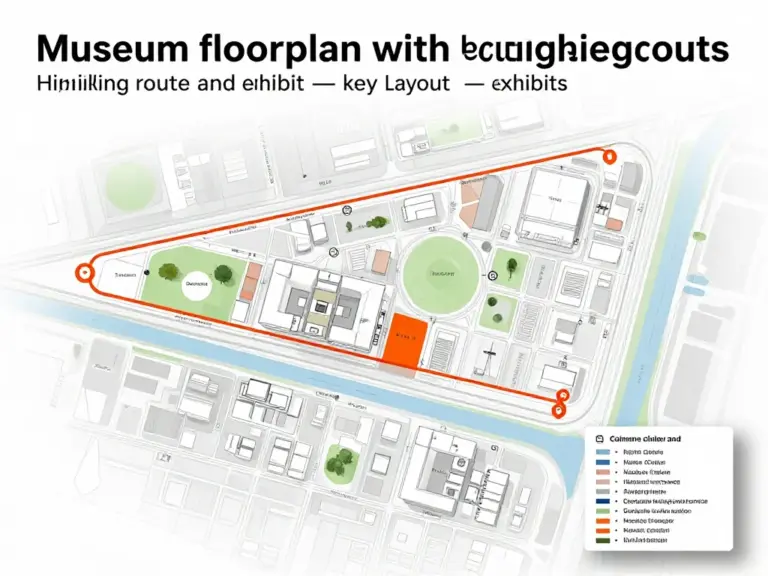
To make the most of your day, follow this optimized sequence. This route minimizes backtracking and places you near excellent dining options for lunch.
| Time | Location | Activity |
|---|---|---|
| 09:00 – 11:30 | National Museum Bangkok | Explore ancient Thai history and royal artifacts. |
| 11:45 – 13:00 | Tha Phrachan Area | Enjoy a riverside lunch with local street food. |
| 13:15 – 15:00 | Museum Siam | Engage with interactive exhibits on Thai identity. |
| 15:15 – 16:30 | National Gallery | View traditional and contemporary Thai paintings. |
Key Stop 3: The National Gallery of Thailand
Housed in the former Royal Mint building, the National Gallery showcases works by Thai artists from the 17th century onwards. It includes permanent collections of works by King Rama VI and King Rama IX, offering a unique look at the artistic talents of the Thai monarchy.
คำถามที่พ่อยบ่อย (FAQ)
คำถามที่พ่อยบ่อย (FAQ)
Is there a dress code for the museums?
While not as strict as the Grand Palace, it is respectful to wear modest clothing. Avoid sleeveless shirts and very short shorts.
How much are the entrance fees?
Fees typically range from 100 to 200 THB for foreigners. Museum Siam often offers a ‘Muse Pass’ which provides discounted entry to multiple sites.
Are the museums open every day?
Most museums in Bangkok, including the National Museum, are closed on Mondays and Tuesdays. Always check the official website before visiting.
Is photography allowed?
Photography is generally allowed in outdoor areas, but many indoor galleries and specific sacred exhibits prohibit flash or all photography.