Top Sites and Hidden Gems: Must-See Temples, Historical Park Highlights, Local Museums, and Photogenic Ruins in Ayutthaya and Sukhothai
- Top Sites and Hidden Gems: Must-See Temples, Historical Park Highlights, Local Museums, and Photogenic Ruins in Ayutthaya and Sukhothai
For travelers seeking to immerse themselves in the deep history and spiritual heart of Thailand, no journey is complete without visiting the ancient capitals. The ruins of Ayutthaya and Sukhothai offer a profound glimpse into the kingdoms that defined the nation’s identity. These magnificent UNESCO World Heritage sites are crucial stops for anyone interested in Thailand Tourism. This guide focuses on maximizing your experience, detailing the must-see temples, historical park highlights, and uncovering the hidden gems among the photogenic ruins in the Ayutthaya and Sukhothai historical sites.
The Ancient Capitals: Why Ayutthaya and Sukhothai Matter
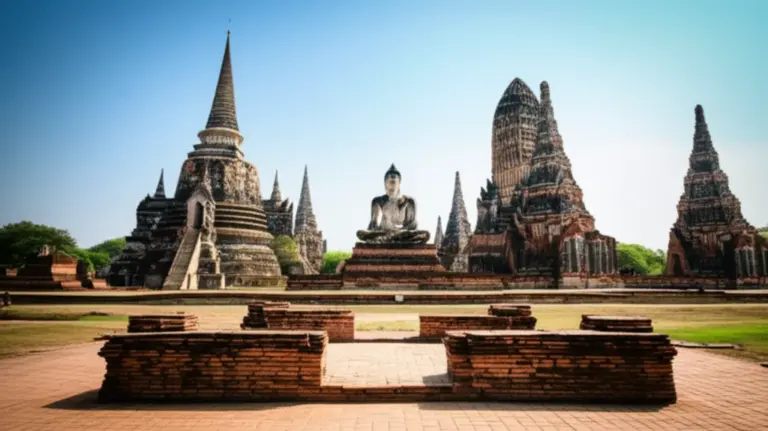
While both locations showcase spectacular ruins, they represent distinct eras of Thai history. Sukhothai (13th–15th century) is characterized by serene, delicate Buddha images and sprawling, park-like settings, symbolizing the beginning of the Siamese civilization. Ayutthaya, on the other hand, reflects a powerful, cosmopolitan trading hub, featuring massive prangs (towers) and imposing structures that convey grandeur and military might. Exploring the Ayutthaya and Sukhothai historical sites allows tourists to trace the evolution of Thai art, religion, and political power.
Ayutthaya: The Grandeur of the Second Siamese Kingdom
Ayutthaya, easily accessible from Bangkok, is known for its dramatic, brick-red ruins scattered across the modern city. The historical park is best explored by bicycle or tuk-tuk, as the key sites are spread out.
Essential Temples and Iconic Ruins
- **Wat Mahathat:** Home to the iconic Buddha head entwined within the roots of a Bodhi tree. This is arguably the most recognizable and photogenic ruin in all of Thailand. The central prang, though partially collapsed, hints at its former towering scale.
- **Wat Chaiwatthanaram:** A stunning riverside temple built in the Khmer style, reminiscent of Angkor Wat. Its perfectly preserved chedis and grand central prang make it a favorite spot for sunset photography.
- **Wat Phra Si Sanphet:** Once the royal temple and the largest in Ayutthaya, its three distinctive Ceylonese-style chedis (stupa) stand as a symbol of the former capital’s wealth and religious importance.
Hidden Gems and Local Museums
To truly appreciate the history of the Ayutthaya and Sukhothai historical sites, a visit to a local museum is essential. The **Chao Sam Phraya National Museum** houses priceless bronze Buddha statues and artifacts recovered from Wat Ratchaburana and Wat Mahathat, providing context to the magnificent ruins you see outside.
For a truly hidden gem, seek out **Wat Phutthai Sawan**, located outside the main island. This active monastery, founded by the first Uthong King, features a beautiful white prang and offers a quieter, more spiritual experience away from the main tourist crowds.
Practical Tips for Visiting Ayutthaya
| Mode of Transport | Best for | Tip |
|---|---|---|
| Bicycle | Freedom and budget travelers | Rentals are cheap (50 THB/day). Ideal for sites within the island. |
| Tuk-Tuk | Covering distant sites quickly | Negotiate a fixed price for a 3-4 hour tour covering 5-7 major temples. |
| Boat Tour | Sunset views of riverside temples | Excellent for viewing Wat Chaiwatthanaram from the river. |
Sukhothai: The Dawn of Happiness
Sukhothai, established earlier than Ayutthaya, is often considered the birthplace of the Thai nation. The central historical park is immaculately maintained, resembling a vast, green landscape dotted with graceful ruins and lotus ponds. The atmosphere here is one of peaceful reflection.
Sukhothai Historical Park Highlights
The main park area contains 21 historical sites, surrounded by four zones (North, South, East, West). Cycling is the ideal way to explore this massive area.
- **Wat Mahathat:** The spiritual heart of the kingdom, featuring a large main chedi surrounded by smaller chedis and iconic ‘walking Buddha’ statues.
- **Wat Si Chum:** Located in the northern zone, this site is famous for its massive, imposing seated Buddha image, Phra Ajana, which stands 15 meters tall within a ruined mandapa. This is one of the most powerful and photogenic ruins.
- **Wat Saphin Hin:** Situated on a hill in the western zone, this temple requires a short hike but rewards visitors with panoramic views of the park and features another majestic ‘walking Buddha.’
Photogenic Ruins and Cycling Routes
Sukhothai is perhaps more photogenic than Ayutthaya due to its open spaces and the quality of light. The best time for photography is sunrise or sunset, when the ruins are reflected perfectly in the surrounding water features. The cycling paths are well-paved and flat, making exploration easy and enjoyable. The focus keyphrase, *Ayutthaya and Sukhothai historical sites*, truly comes alive when you see these ancient structures framed by lush greenery.
Beyond the Park: Si Satchanalai and Kamphaeng Phet
For those with extra time, the associated historical parks of **Si Satchanalai** and **Kamphaeng Phet** (both part of the UNESCO designation) offer even deeper insights. Si Satchanalai, the second city of Sukhothai, is known for its distinct ceramic kilns and the beautiful riverside temple of Wat Phra Si Rattana Mahathat.
Ayutthaya vs. Sukhothai: A Quick Comparison
| Feature | Ayutthaya | Sukhothai |
|---|---|---|
| Accessibility from Bangkok | Very Easy (Day trip possible) | Requires a flight or overnight bus/train |
| Architecture Style | Khmer/U-Thong (Grander, more imposing prangs) | Early Thai (Graceful, ‘walking Buddha’ statues) |
| Best Way to Explore | Tuk-Tuk or Bicycle (Sites spread out) | Bicycle (Sites clustered in a park setting) |
| Atmosphere | Busy, integrated into modern city | Serene, park-like, reflective |
Planning Your Historical Journey in Thailand
To truly appreciate the scope of these ancient capitals, consider spending 1-2 full days in each location. Combine your historical exploration with local markets and regional cuisine to enrich your Thailand tourism experience. The best time to visit is during the cool season (November to February) to avoid the intense heat. Remember to dress respectfully when visiting active temples. The sheer scale and beauty of the Ayutthaya and Sukhothai historical sites guarantee an unforgettable trip.
คำถามที่พบบ่อย (FAQ)
**Q: How long should I spend exploring the Ayutthaya and Sukhothai historical sites?**
A: For a thorough visit, allocate a minimum of one full day (preferably two) for each location. Ayutthaya can be seen in a long day trip from Bangkok, but staying overnight allows you to catch the beautiful sunset views.
**Q: Is it better to visit Ayutthaya or Sukhothai first?**
A: Since Sukhothai is the older capital and represents the origins of Siamese art, visiting Sukhothai first provides a better chronological understanding of Thai history, followed by the grander, later architecture of Ayutthaya.
**Q: What is the best way to travel between Ayutthaya and Sukhothai?**
A: The most common route involves taking a train or bus from Ayutthaya back to Bangkok, and then taking an overnight bus or a domestic flight (to Sukhothai Airport or Phitsanulok) to reach Sukhothai. Direct travel between the two is lengthy and often requires multiple transfers.
References
- UNESCO World Heritage Centre: Historic City of Ayutthaya
- UNESCO World Heritage Centre: Historic Town of Sukhothai and Associated Historic Towns
- Tourism Authority of Thailand Official Website
- Ayutthaya & Sukhothai: A Complete Guide to Exploring Thailand’s Ancient Capitals and Their Historical Parks
- Why Ayutthaya and Sukhothai Matter: History, UNESCO Status, and What to Expect When Visiting Ancient Capitals
- Planning Your Trip: Best Times to Visit, How to Get There, Transportation Between Ayutthaya and Sukhothai, and Suggested Itineraries