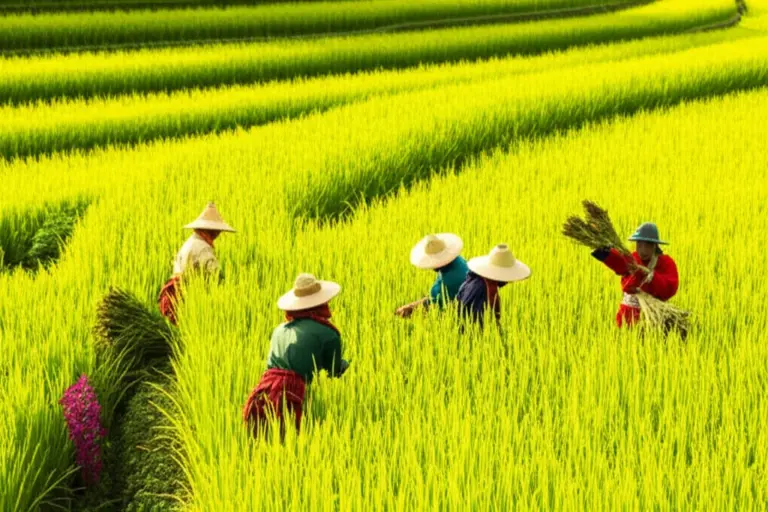
The Living Rice Terraces of Northern Thailand: Hands-On Farming and Cultural Experiences
- The Living Rice Terraces of Northern Thailand: Hands-On Farming and Cultural Experiences
The Allure of Northern Thailand’s Green Heart
The mountainous regions of Northern Thailand—particularly Chiang Mai, Chiang Rai, and Mae Hong Son—are home to landscapes that defy imagination. Here, centuries of meticulous engineering meet breathtaking natural beauty, resulting in the iconic rice terraces. Unlike the bustling cities, these high-altitude fields represent a preserved way of life, where farming is not just agriculture but a deeply spiritual and communal practice. These terraces are often cared for by indigenous hill tribes, including the Karen and Hmong people, who have honed sustainable farming techniques across generations. Visiting here is not merely sightseeing; it is stepping into a living, breathing agricultural museum.
Iconic Terraces: Where to Find the Best Views
While vast stretches of rice paddies can be found throughout the North, certain locations are globally renowned for their scale and beauty. Timing your visit is crucial: the vibrant green season (July to September) showcases the paddies at their most verdant, while the golden season (late October to early November) offers stunning views right before the harvest.
| Location | Province | Best Known For | Accessibility |
|---|---|---|---|
| Ban Pa Pong Piang | Mae Hong Son | The most famous, dramatic tiered landscapes. | Challenging (4×4 recommended) |
| Mae Cham | Chiang Mai | Expansive, rolling terraces accessible from Chiang Mai. | Moderate |
| Sapan Village | Nan | Lesser-known, tranquil beauty with river views. | Moderate to Challenging |
Ban Pa Pong Piang: The Crown Jewel
Often cited as the most spectacular rice terrace viewing spot in Thailand, Ban Pa Pong Piang is located deep within the mountains near Doi Inthanon National Park. This Karen village offers basic but authentic homestay experiences, allowing visitors to wake up to misty mornings overlooking endless layers of green. The remote nature of the village preserves its tranquility, making the difficult journey highly rewarding. Remember to book accommodations well in advance, especially during peak green season.
Hands-On Farming: Becoming a Rice Farmer for a Day
The true value of a **Northern Thailand Rice Terraces Experience** lies in moving beyond observation to participation. Several community-based tourism projects now offer tourists the chance to roll up their sleeves and engage in the traditional rice cycle. This hands-on involvement is fundamental to understanding the local culture and economy.
Learning the Ancient Techniques
Local farmers are experts in sustainable, organic methods that have been passed down for centuries. They often utilize complex irrigation systems that channel mountain runoff efficiently. Participating in tasks like ploughing with water buffalo, weeding the paddies, or processing the harvested rice not only creates memorable travel photos but also fosters genuine respect for the hard work involved in producing every grain. Homestays are the primary gateway to these authentic interactions, ensuring that your financial contribution directly supports the local community.
Deep Dive into Hill Tribe Culture
The terraces are intrinsically linked to the cultural identity of the hill tribes. A visit provides a window into their unique dialects, traditional clothing, and customs. Choosing a homestay offers unparalleled insight: you will share meals prepared with local ingredients, learn basic phrases, and observe the daily rhythms of village life, far removed from the tourist traps of the city centers.
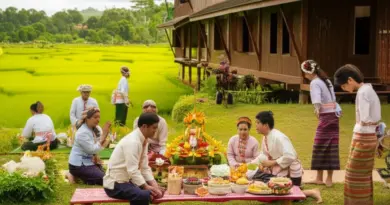
Key cultural exchanges often include participating in community rituals, learning traditional weaving or handicraft skills, and listening to stories about the village’s history and relationship with the land. This level of intimacy transforms a simple holiday into a meaningful cultural exchange.
Sustainable Tourism and Ethical Travel
When seeking a **Northern Thailand Rice Terraces Experience**, it is essential to prioritize ethical and sustainable practices. The fragility of these ecosystems and cultures requires responsible visitation. By choosing certified eco-tourism operators and village-run homestays, travelers ensure that their money benefits the local population directly, helping to fund infrastructure and education while preserving the natural environment.
- Respect local customs and dress modestly, especially in villages.
- Ask permission before taking photographs of people or private ceremonies.
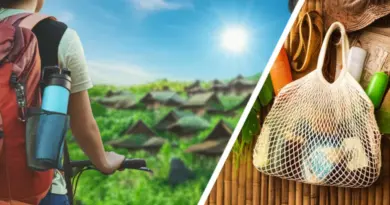
- Minimize waste and carry out all non-biodegradable rubbish.
- Support fair trade initiatives and purchase handicrafts directly from the makers.
The journey through the living rice terraces of Northern Thailand is a powerful reminder of the connection between humanity, culture, and the land. By engaging thoughtfully and participating actively, visitors contribute to the preservation of these magnificent landscapes and the vibrant traditions they support, making the experience rewarding for both the traveler and the host community. This dedication to authentic, hands-on cultural exchange is what makes this region a jewel of global tourism, offering lessons in resilience, sustainability, and communal harmony.
คำถามที่พบบ่อย (FAQ)
When is the best time to visit the rice terraces in Northern Thailand?
The best time depends on what you want to see. For lush green paddies, visit during the rainy season (July to September). For golden harvest views, late October to early November is ideal. The dry season (December to February) offers clear skies but often bare fields.
Which areas offer the best hands-on farming experiences?
Regions around Chiang Mai, particularly Mae Cham, and villages in Mae Hong Son like Ban Pa Pong Piang, often partner with homestays and community tourism groups to offer authentic, hands-on farming activities that change with the agricultural calendar.
Are these experiences ethical and sustainable?
When booked through reputable, community-based organizations or village homestays, these experiences are highly ethical. They focus on eco-tourism and providing direct, meaningful income to local Hmong and Karen hill tribes, ensuring the financial and cultural sustainability of their traditional way of life.
Do I need a guide to visit the remote terraces?
While some destinations are accessible independently, visiting remote areas like Ban Pa Pong Piang often requires a 4×4 vehicle due to challenging road conditions and a local guide or tour operator familiar with the terrain and local customs. Guides also facilitate cultural understanding and language barriers.
References
- Thailand Community Based Tourism Network
- Sustainable Travel International Guidelines for Hill Tribe Visits
- Why visit the living rice terraces? Understanding cultural significance, best seasons, and sustainable travel practices for immersive experiences in Northern Thailand
- How to join hands-on farming programs: types of volunteer stays, what to expect day-to-day, necessary skills, costs, and booking tips for rice terrace experiences
- Local customs, food, and community life you’ll encounter: etiquette, traditional ceremonies, homestay norms, and authentic Northern Thai dishes tied to rice culture