Planning your sustainable Thailand trip: best seasons, eco-friendly transport, low-impact accommodations, and packing tips for responsible travelers
- Planning your sustainable Thailand trip: best seasons, eco-friendly transport, low-impact accommodations, and packing tips for responsible travelers
- Choosing the Best Seasons for a Low-Impact Visit
- Eco-Friendly Transport Options in Thailand
- Low-Impact Accommodations: Where to Stay Responsibly
- Packing Tips for Responsible Travelers
- Engaging with Local Communities and Respecting Culture
- Embracing the Sustainable Spirit: A Call to Action
- คำถามที่พบบ่อย (FAQ)
- What is the most sustainable way to travel around Thailand?
- How can I find truly eco-friendly accommodations in Thailand?
- What are essential items for a responsible traveler to pack for Thailand?
- How can I support local communities during my sustainable Thailand trip?
Thailand, the ‘Land of Smiles,’ beckons with its stunning beaches, vibrant culture, and lush landscapes. As global awareness about climate change and ethical travel grows, more and more adventurers are seeking to embark on a sustainable Thailand trip. This isn’t just a trend; it’s a commitment to preserving the beauty and integrity of this incredible destination for future generations. Responsible tourism allows you to connect more deeply with local communities, minimize your environmental footprint, and ensure your adventure contributes positively to the places you visit. This comprehensive guide will walk you through everything you need to know, from choosing the best time to visit to packing smart and selecting accommodations that align with your values.
Choosing the Best Seasons for a Low-Impact Visit
Thailand experiences three main seasons: the cool and dry season, the hot season, and the rainy season. Each has its pros and cons for a sustainable Thailand trip:
-
Cool and Dry Season (November to February): This is peak tourist season due to pleasant temperatures and minimal rainfall. While weather is ideal, the high volume of tourists can strain local resources and infrastructure. If you must travel during this time, book eco-friendly accommodations well in advance and prioritize off-the-beaten-path destinations to disperse tourism impact. Consider visiting national parks or less famous islands.
-
Hot Season (March to May): Temperatures soar, especially in central and northern Thailand. This season sees fewer tourists, which can be beneficial for reducing environmental pressure. However, intense heat means higher energy consumption for air conditioning. Opt for accommodations with natural ventilation or those that use renewable energy. Stay hydrated and plan activities for cooler parts of the day.
-
Rainy Season (June to October): Characterized by tropical downpours, often in short, intense bursts. This ‘green season’ offers lush landscapes and fewer crowds, making it an excellent choice for a sustainable trip. Prices for flights and accommodation are often lower. Some islands and national parks might have limited access due to heavy rains or rough seas, so check ahead. Embrace the rain and enjoy the vibrant, refreshed nature.
Ultimately, the shoulder months (late October/early November and late February/early March) can offer a balance of good weather and fewer crowds, making them ideal for a more sustainable approach to your travel. By avoiding the absolute peak of tourism, you help alleviate pressure on popular sites and contribute to a more balanced distribution of visitors throughout the year.
Eco-Friendly Transport Options in Thailand
Minimizing your carbon footprint is crucial for any sustainable journey. Thailand offers a variety of transport options, some far more eco-friendly than others.
-
Trains: For long-distance travel, overnight trains are a fantastic eco-friendly choice. They are more energy-efficient than flying, offer a unique cultural experience, and often include sleeper berths, saving you a night’s accommodation. Thailand’s railway network connects major cities like Bangkok, Chiang Mai, and Surat Thani (for island access). การรถไฟแห่งประเทศไทย is a good resource for booking.
-
Buses: An extensive bus network covers almost every corner of Thailand. While not always the most comfortable, local buses are incredibly affordable and a great way to travel sustainably, especially for shorter distances. Opt for government-run buses where possible.
-
Public Transport in Cities: In Bangkok, utilize the BTS Skytrain and MRT subway system. These efficient networks significantly reduce traffic congestion and air pollution compared to taxis or tuk-tuks. For navigating canals, the Chao Phraya Express Boat is a scenic and low-impact option. In other cities, walking or cycling are ideal.
-
Bicycles: Many smaller towns and islands offer bicycle rentals, providing a fantastic way to explore locally without emissions. It’s also a great way to get some exercise and enjoy the scenery at a slower pace.
-
Walking: The most eco-friendly option of all! Explore local markets, temples, and neighborhoods on foot to truly immerse yourself in the culture and reduce your environmental impact to zero.
When planning your sustainable Thailand trip, try to minimize internal flights, as air travel has a significant carbon footprint. If flying is unavoidable for long distances, consider offsetting your emissions through reputable programs.
Low-Impact Accommodations: Where to Stay Responsibly
Choosing where you lay your head each night can have a profound impact on your trip’s sustainability. Look for accommodations that prioritize environmental protection and community benefits.
| Type of Accommodation | Sustainable Features to Look For |
|---|---|
| Eco-Lodges & Resorts | Built with local materials, use renewable energy (solar), rainwater harvesting, waste reduction/recycling programs, support local conservation efforts, employ local staff, offer educational programs on local ecology. |
| Homestays & Community-Based Tourism (CBT) | Stay with local families, providing direct income to the community. Experience authentic culture, participate in local activities (e.g., farming, cooking), and learn about traditional ways of life. This is a highly impactful way to travel responsibly. |
| Certified Green Hotels | Look for hotels with recognized certifications like Green Globe, EarthCheck, or national ‘Green Hotel’ awards from the Thai government. These certifications indicate adherence to strict environmental and social standards. |
| Small, Locally-Owned Guesthouses | Often have a smaller footprint and directly support local families. Inquire about their practices regarding water, energy, and waste. Choose those that prioritize local sourcing for food and supplies. |
Avoid large, international chain resorts that often contribute to over-tourism and have less connection to the local economy. Always research reviews and their stated sustainability initiatives. Websites like BookDifferent or specific eco-tourism directories can help you find suitable options for your sustainable Thailand trip.
Packing Tips for Responsible Travelers
What you pack (and don’t pack) can significantly impact your travel footprint. Light and smart packing is key for a sustainable adventure.
-
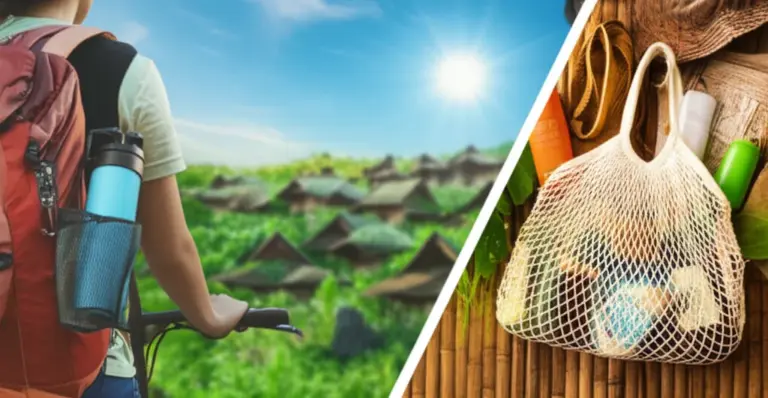
Reusable Water Bottle and Filter: Tap water in Thailand is generally not safe to drink. Instead of constantly buying plastic bottles, carry a reusable bottle and a portable water filter (like Lifestraw or SteriPEN) or fill up at water refill stations, common in many hotels and guesthouses. This drastically reduces plastic waste.
-
Reusable Shopping Bag: Avoid single-use plastic bags when shopping at markets or convenience stores.
-
Portable Cutlery Set and Reusable Straw: Enjoy street food without contributing to plastic waste.
-
Reef-Safe Sunscreen and Insect Repellent: Protect yourself without harming delicate marine ecosystems or your own health. Look for products free of oxybenzone and octinoxate.
-
Lightweight, Quick-Drying Clothing: Pack less to reduce luggage weight (and thus fuel consumption for transport). Choose versatile items that can be hand-washed and dry quickly. Modest clothing is also important for visiting temples.
-
Rechargeable Batteries: For your electronics, minimize disposable battery waste.
Remember, the less you carry, the lighter the load on transportation, and the easier it is to navigate public transport. A minimalist approach aligns perfectly with a sustainable Thailand trip.
Engaging with Local Communities and Respecting Culture
Sustainable travel extends beyond environmental considerations to encompass social and cultural responsibility. Engaging respectfully with local communities enriches your experience and ensures your visit benefits the people and culture of Thailand.
Tips for Cultural and Social Responsibility:
- Learn basic Thai phrases: A simple ‘Sawasdee ka/krap’ (hello) or ‘Kob khun ka/krap’ (thank you) goes a long way.
- Support local businesses: Eat at local restaurants, shop at small markets, and buy handicrafts directly from artisans.
- Bargain fairly: While bargaining is common, do so respectfully and don’t push for unreasonably low prices that might harm local vendors.
- Dress modestly: Especially when visiting temples or religious sites, ensure your shoulders and knees are covered. Remove shoes before entering temples or homes.
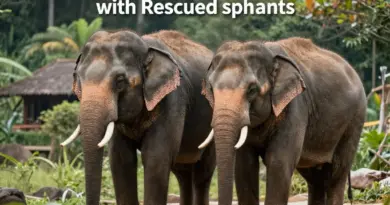
- Be mindful of animal tourism: Avoid elephant riding or shows. Instead, visit ethical elephant sanctuaries that focus on rescue and rehabilitation. Research thoroughly to ensure they are genuinely ethical.
- Ask before taking photos: Especially of people, always ask for permission.
Your actions as a traveler speak volumes. By being considerate and informed, you contribute to a positive exchange that benefits both you and your hosts, making your sustainable Thailand trip truly meaningful.
Embracing the Sustainable Spirit: A Call to Action
A sustainable Thailand trip is more than just a vacation; it’s an opportunity to be a part of a global movement towards more responsible and conscious travel. By making informed choices about when you travel, how you get around, where you stay, and what you pack, you directly contribute to the preservation of Thailand’s natural beauty and the well-being of its people. Embrace the spirit of ‘mindful travel’ – be curious, be respectful, and be responsible. Your journey can inspire others and leave a lasting positive impact, ensuring that the magic of Thailand continues for generations to come. Start planning your ethical adventure today!
For more insights on making your travels eco-friendly, watch this comprehensive guide:
คำถามที่พบบ่อย (FAQ)
References
- Ultimate Eco-friendly Travel Guide to Thailand – YouTube
- State Railway of Thailand
- BookDifferent.com
- A Guide to Ecotourism in Thailand: How to Travel Responsibly
- What is ecotourism and why Thailand is a top destination for responsible travel (benefits, principles, and how to choose authentic eco experiences)
- Top ecotourism destinations in Thailand and what to do: community-based tourism in Chiang Mai, marine conservation in Phuket/Koh Phi Phi, rainforest treks in Khao Sok, and wildlife sanctuaries in Khao Yai