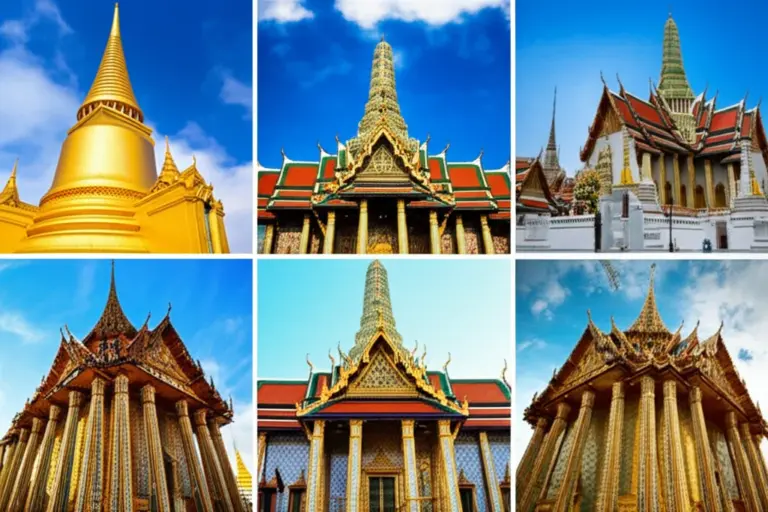
Top Temples to See in Bangkok and Chiang Mai: Detailed Highlights of Wat Phra Kaew, Wat Pho, Wat Arun, Wat Chedi Luang, and Doi Suthep
- Top Temples to See in Bangkok and Chiang Mai: Detailed Highlights of Wat Phra Kaew, Wat Pho, Wat Arun, Wat Chedi Luang, and Doi Suthep
Thailand, the ‘Land of Smiles,’ is a country steeped in profound spiritual history, where magnificent temples—known as Wats—form the cornerstone of cultural life. For any visitor planning a trip, experiencing the majesty of **Thailand’s Top Temples** is non-negotiable. This detailed guide takes you through the most significant and visually stunning sacred sites in both the bustling capital of Bangkok and the serene northern city of Chiang Mai. From the glittering spires of the Grand Palace complex to the ancient ruins of the Lanna Kingdom, prepare to be captivated by these architectural and spiritual masterpieces.
Before You Go: Essential Context
These five temples—Wat Phra Kaew, Wat Pho, Wat Arun, Wat Chedi Luang, and Doi Suthep—represent the pinnacle of Thai religious art across two distinct regions. Understanding their historical context enhances the experience, offering a window into Siam’s royal, cultural, and spiritual evolution.
Bangkok’s Sacred Trifecta: Royal History and Grandeur
Bangkok’s major temples are concentrated near the Chao Phraya River, forming a highly accessible circuit that showcases the wealth and power of the Chakri Dynasty. These sites are typically characterized by vibrant colors, intricate mosaics, and towering structures.
Wat Phra Kaew (The Temple of the Emerald Buddha)
Located within the grounds of the Grand Palace, Wat Phra Kaew is arguably the most important Buddhist temple in Thailand. Unlike other Wats, it contains no living quarters for monks, serving purely as a sacred chapel. The temple’s highlight is the Phra Kaew Morakot, the revered Emerald Buddha, a small, dark green statue carved from a single block of jade, dressed in seasonal robes changed by the King himself. The surrounding complex is a dazzling display of mirrored tiles, golden chedis, and mythological murals depicting the Ramakien (the Thai national epic).
Location Context
Wat Pho (The Temple of the Reclining Buddha)
Just a short walk from the Grand Palace, Wat Pho is famous for its colossal Reclining Buddha statue, measuring 46 meters long and 15 meters high. The statue, coated in gold leaf, beautifully depicts the Buddha entering Nirvana. Beyond the main viharn, Wat Pho is considered the birthplace of traditional Thai massage, still operating a highly respected massage school on its premises. The temple grounds are vast, filled with colorful chedis, intricate stone statues, and quiet courtyards, making it a perfect place for contemplative wandering.
Wat Arun (The Temple of Dawn)
Situated on the west bank of the Chao Phraya River, Wat Arun is recognizable by its magnificent, towering central prang (Khmer-style tower), which is encrusted with millions of pieces of colorful porcelain and seashells. While beautiful at any time, Wat Arun is particularly spectacular at sunrise or sunset, when the light catches the porcelain, making the entire structure shimmer. The steep ascent offers breathtaking views across the river to the Grand Palace and Wat Pho. A ferry crossing is required to reach this iconic landmark.
Northern Treasures: Chiang Mai’s Mountain and Ancient Wats
Chiang Mai, the heart of the ancient Lanna Kingdom, offers a more laid-back, yet equally profound, spiritual experience. The temples here reflect the distinct Lanna architectural style, often utilizing dark teak wood and ancient stone structures.
Wat Chedi Luang (The Temple of the Great Stupa)
Dominating the historic center of Chiang Mai’s Old City, Wat Chedi Luang once housed the Emerald Buddha before it was moved to Bangkok. Although partially ruined by an earthquake in the 16th century, the remaining massive brick stupa stands as a powerful testament to Lanna’s former glory. The base of the stupa is adorned with elephant carvings, and the sheer scale of the ruins evokes a sense of deep antiquity and historical significance. It is an essential stop when exploring **Thailand’s Top Temples** in the north.
Wat Phra That Doi Suthep (The Mountain Temple)
Perched high on the Doi Suthep mountain overlooking Chiang Mai, this temple is both a holy pilgrimage site and a spectacular viewpoint. Reaching the temple requires climbing a magnificent 306-step Naga (serpent) staircase, although a tram is also available. Legend states that the temple’s location was determined by a white elephant carrying a relic of the Buddha, which climbed the mountain and died at the spot where the temple now stands. The golden chedi within the complex is stunning, and the panoramic view of Chiang Mai city below is unparalleled.
Essential Visitor Tips and Temple Etiquette
Visiting these sacred sites requires respect for local customs. Adhering to proper temple etiquette ensures a pleasant experience for both visitors and the devoted community.
- Dress Code: Always cover your shoulders and knees. This applies to both men and women. Remove hats and sunglasses before entering the main prayer areas.
- Footwear: Shoes must be removed before entering any building housing a Buddha image. Socks are acceptable.
- Respect: Never point your feet at a Buddha image or a monk. When sitting, tuck your feet behind you. Monks should not be touched by women.
- Best Time to Visit: Arrive early (before 9 AM) to avoid the heat and the largest crowds, especially at Wat Phra Kaew and Wat Pho.
คำถามที่พบบ่อย (FAQ)
What is the proper dress code for visiting Thai temples?
The most crucial rule is modesty. Visitors must ensure that their shoulders, chest, and knees are completely covered. Tank tops, shorts, mini-skirts, and tight-fitting clothes are generally discouraged. At major sites like Wat Phra Kaew, strict checks are enforced, and sarongs are often available for rent near the entrance.
Which temple is considered the most sacred in Thailand?
Wat Phra Kaew (The Temple of the Emerald Buddha) is widely considered the most sacred temple in Thailand due to the presence of the revered Emerald Buddha image, which symbolizes the nation’s independence and spiritual strength. It is the focal point of state rituals and royal ceremonies.
Is there an entry fee for these major temples?
Yes, most major temples, especially those popular with tourists, charge an entrance fee for foreigners to help fund maintenance and preservation. For example, Wat Phra Kaew has a significant entry fee, while Wat Pho and Wat Arun also charge moderate amounts. Temples in Chiang Mai, such as Doi Suthep, may have smaller entry fees or tram fees.
What is the difference between a ‘Wat’ and a ‘Chedi’?
A ‘Wat’ is the entire temple complex, including all buildings, residences for monks, and shrines. A ‘Chedi’ (or Stupa/Prang) is a specific, often bell-shaped or tower-like structure within the Wat, typically built to enshrine relics of the Buddha or important monks. For example, Wat Chedi Luang is the temple complex built around the large central Chedi.
References
- Tourism Authority of Thailand Official Website
- The Grand Palace & Wat Phra Kaew Information
- Lonely Planet Thailand Travel Guide
- Wat Phra That Doi Suthep & Bangkok’s Iconic Temples: The Ultimate Visitor’s Guide to Thailand’s Spiritual Sites
- Why These Temples Matter: History, Cultural Significance, and What to Expect When You Visit Doi Suthep and Bangkok’s Famous Wats
- Planning Your Trip: Best Times to Visit, How to Get There (Chiang Mai to Doi Suthep, Getting Around Bangkok), Tickets, Dress Code, and Accessibility