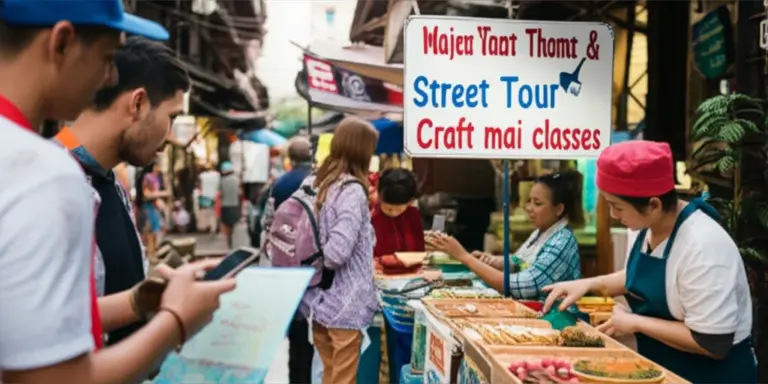
How to find and book the best Chiang Mai classes that start at the market — tips, trusted operators, and long-tail search terms
- How to find and book the best Chiang Mai classes that start at the market — tips, trusted operators, and long-tail search terms
The Unique Appeal of Market-to-Table Culinary Experiences
Chiang Mai, the cultural capital of Northern Thailand, offers an overwhelming array of cooking schools. However, the most enriching experiences are those that integrate the entire farm-to-table process, beginning with a guided tour of a local market. This initial phase is crucial, providing context for the ingredients that define Thai flavors—from the pungent freshness of galangal and kaffir lime to the specific varieties of chili and basil used in regional dishes.
Why Choose a Market-Start Class in Chiang Mai?
The decision to select one of the **Chiang Mai classes that start at the market** is often driven by a desire for authenticity and E-E-A-T (Experience, Expertise, Authoritativeness, Trustworthiness). These classes prioritize sourcing and understanding, rather than just recipe execution.
Beyond the Kitchen: Understanding Thai Ingredients
In a market-start class, your instructor acts as a culinary translator, explaining why specific types of palm sugar are used in desserts, or how the freshness of coconut milk impacts a curry. You learn the difference between various types of fish sauce and how to select ripe mangoes—knowledge you can take home. This hands-on experience elevates your expertise far beyond what a standard kitchen-only class can offer.
Authentic Interaction with Local Vendors
The market tour component facilitates genuine, though often brief, interactions with local vendors. It grounds the culinary experience in the local economy and daily life of Chiang Mai residents. Look for classes that visit smaller, less tourist-heavy markets like Warorot Market (Kad Luang) or certain sections of the central markets, as these often provide a richer, more authentic backdrop.
Finding the Best Operators: Trusted Names and Quality Indicators
Key Questions to Ask Before Booking
When searching for the best **Chiang Mai classes that start at the market**, direct communication with the school is highly recommended. Ask these specific questions to gauge their focus on the market experience:
- Which specific market do you visit, and how long is the tour component? (A quality tour should last at least 45–60 minutes.)
- Will the cooking instructor be the guide at the market, or is it a separate staff member? (The instructor should ideally lead both.)
- Do we purchase the ingredients we use, or are they already pre-purchased? (Purchasing together is a sign of a high-quality, authentic experience.)
Mastering the Search: Utilizing Long-Tail Keywords
To cut through the noise of generic ‘Chiang Mai cooking class’ results, you must employ targeted long-tail search terms. These phrases better match the specific intent of finding high-quality, market-focused experiences and can lead you directly to specialist operators.
High-Converting Search Terms to Use
- Chiang Mai organic cooking class market tour
- Market-to-table Thai cooking school Chiang Mai
- Local market start cooking class Chiang Mai reviews
- Thai farm cooking school Chiang Mai market
While platforms like Viator and Klook are convenient, always use the platform’s filtering options to search for terms like ‘market tour included’ or ‘farm visit.’ Once you identify a promising school through a booking site, it is often wise to cross-reference reviews on TripAdvisor or Google Maps and check the school’s official website. Booking directly with the school can sometimes secure a better price or more personalized communication regarding dietary needs.
Essential Booking Tips and Preparation Checklist
- **Book Early:** The best **Chiang Mai classes that start at the market** have limited capacity (due to small group sizes) and often fill up days or weeks in advance, especially during peak season (November to February).
- **Wear Appropriate Footwear:** Markets can be wet and crowded. Closed-toe shoes are highly recommended for comfort and safety.
- **Bring Small Cash:** While the class fee covers the cost, having small Thai baht notes (20, 50, 100) is useful for buying personal snacks or drinks at the market.
- **Check the Location:** Confirm the meeting point. Is it at the market itself, or are you picked up from your hotel?
By focusing your search on schools that prioritize the market experience, utilizing precise long-tail keywords, and verifying the class structure, you ensure a culinary adventure in Chiang Mai that is both educational and authentically memorable. The knowledge gained from walking the aisles of a bustling Thai market is the secret ingredient to mastering Thai cooking.
คำถามที่พบบ่อย (FAQ)
References
- Tourism Authority of Thailand Official Website
- Chiang Mai Tourism Resources
- Guide to Culinary Experiences in Chiang Mai
- Thai cooking class in Chiang Mai using local market ingredients: The ultimate guide to authentic hands-on experiences
- Why choose a local-market-based Thai cooking class in Chiang Mai — authenticity, sustainability, and cultural immersion
- What to expect at the market tour — ingredients, vendor interactions, seasonal produce, and allergy/vegetarian options