Preparing for the Trek: Trails, Permits, Guided Tours, Gear Checklist, and How to Minimize Environmental Impact
- Preparing for the Trek: Trails, Permits, Guided Tours, Gear Checklist, and How to Minimize Environmental Impact
Embarking on a trek through Thailand’s stunning landscapes promises an adventure like no other. From lush rainforests and cascading waterfalls to mist-shrouded mountains and remote hill tribe villages, the Kingdom offers a diverse playground for hikers of all levels. However, a successful and responsible journey requires thorough Thailand trekking preparation. This comprehensive guide will equip you with everything you need to know, ensuring your adventure is not only exhilarating but also safe, respectful, and environmentally conscious.
Choosing Your Trail: Discovering Thailand’s Diverse Treks
Thailand’s trekking trails are as varied as its culture. Your choice of trail will largely depend on your fitness level, time available, and desired experience. The north, particularly around Chiang Mai and Chiang Rai, is renowned for its multi-day treks through mountainous terrain, offering cultural encounters with various hill tribes. The south presents jungle treks, often leading to hidden lagoons or viewpoints overlooking the Andaman Sea.
Popular Trekking Destinations in Thailand
- Northern Thailand (Chiang Mai, Chiang Rai, Mae Hong Son): Home to iconic trails like the Doi Inthanon National Park, known for Thailand’s highest peak, and the Golden Triangle region. Treks here often combine hiking with bamboo rafting, elephant sanctuaries, and visits to Karen, Lahu, or Akha villages.
- Khao Yai National Park: A UNESCO World Heritage site, offering incredible wildlife viewing opportunities, including gibbons, hornbills, and even elephants. Trails here range from short walks to challenging multi-day expeditions.
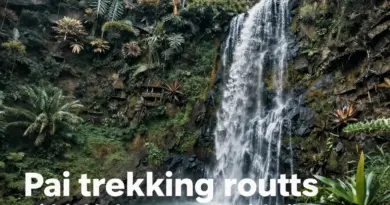
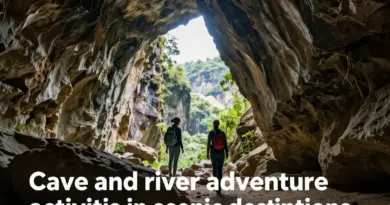
- Southern Thailand (Khao Sok National Park): Famous for its dramatic limestone karsts, emerald lakes, and ancient rainforests. Treks often involve boat trips across Cheow Lan Lake and overnight stays in floating bungalows.
Before you set foot on any trail, understanding the permit requirements is crucial for your Thailand trekking preparation. Most trekking in Thailand takes place within national parks or protected areas, which often require entry fees and sometimes special permits, especially for multi-day treks or sensitive zones.
National Park Entry Fees
For foreign visitors, national park entry fees typically range from 200-500 THB per person. These fees contribute to the conservation and maintenance of the parks. Keep your ticket as proof of entry.
Guided Tour Requirements
For many of the more challenging or remote treks, especially those involving overnight stays in hill tribe villages, it is often mandatory or highly recommended to go with a licensed guide. This is not only for your safety but also to ensure responsible interaction with local communities and adherence to park rules.
The Benefits of Guided Tours
While independent trekking offers a sense of freedom, guided tours are often the best choice for a richer, safer, and more impactful experience, particularly for those new to Thailand trekking preparation.
Local Expertise and Safety
Local guides possess invaluable knowledge of the terrain, weather patterns, wildlife, and potential hazards. They can navigate challenging paths, provide first aid if needed, and communicate with locals. Their expertise significantly enhances your safety and overall experience.
Cultural Immersion
A good guide acts as a bridge to local cultures. They can facilitate meaningful interactions with hill tribe communities, explain local customs, and provide insights into traditional ways of life that you might otherwise miss.
Your Essential Trekking Gear Checklist
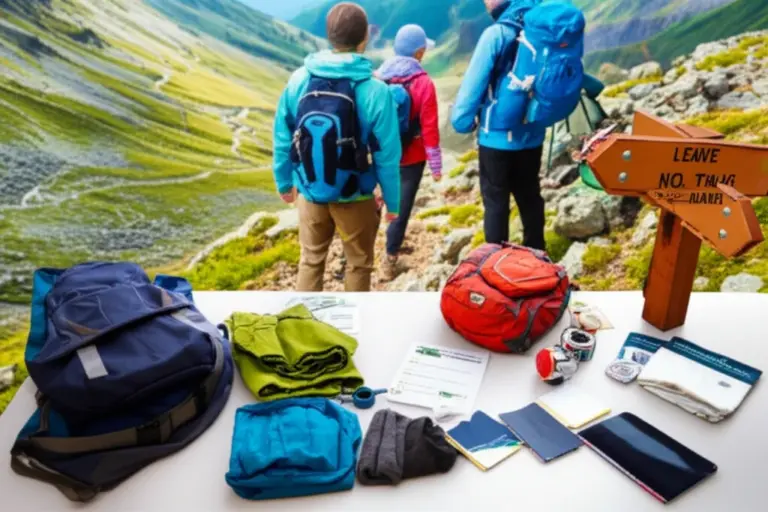
Proper gear can make or break your trekking experience. Here’s a comprehensive checklist to aid your Thailand trekking preparation:
Clothing and Footwear
- Lightweight, Quick-Drying Clothing: Long sleeves and pants are recommended to protect against sun, insects, and scratches. Opt for synthetic materials over cotton.
- Waterproof Rain Jacket/Poncho: Essential, especially during the rainy season (May-October).
- Comfortable Hiking Boots/Shoes: Broken-in, with good ankle support and grip.
- Socks: Moisture-wicking socks to prevent blisters.
- Hat/Cap: For sun protection.
- Backpack: Appropriate size for your trek duration (day pack or multi-day pack).
- Water Bottle/Hydration Pack: Crucial for staying hydrated in the tropical heat.
- Headlamp/Flashlight: With extra batteries.
- Map and Compass/GPS: Even with a guide, it’s good to have.
- Power Bank: To charge electronic devices.
Personal Items and First Aid
- Personal First-Aid Kit: Band-aids, antiseptic wipes, pain relievers, blister treatment, any personal medications.
- Insect Repellent: Essential for jungle treks.
- Sunscreen: High SPF.
- Toiletries: Biodegradable options where possible.
- Small Towel: Quick-drying.
- Snacks: Energy bars, nuts, dried fruit.
- Plastic Bags: For trash and keeping items dry.
Minimizing Your Environmental Impact
Responsible tourism is paramount. As trekkers, we have a duty to protect the natural beauty and cultural integrity of the places we visit. Incorporating these practices into your Thailand trekking preparation is vital.
Leave No Trace Principles
Adopt the Leave No Trace principles:
-
Plan Ahead and Prepare:
Know the regulations and special concerns for the area you’ll visit. Pack out what you pack in.
-
Travel and Camp on Durable Surfaces:
Stick to existing trails and campsites. Avoid trampling vegetation.
-
Dispose of Waste Properly:
Pack out all trash, food scraps, and litter. Bury human waste properly.
-
Leave What You Find:
Do not disturb plants, rocks, or other natural objects. Do not build structures or dig trenches.
-
Minimize Campfire Impacts:
Use existing fire rings. Keep fires small. Better yet, use a lightweight stove.
-
Respect Wildlife:
Observe from a distance. Never feed animals. Store food securely.
-
Be Considerate of Other Visitors:
Respect privacy and quiet. Yield to other users on the trail.
Supporting Local Communities
Choose tour operators that employ local guides and contribute directly to the communities you visit. Purchase local crafts and services fairly. This helps ensure that the benefits of tourism are shared equitably.
Safety Tips for a Successful Trek
- Inform Someone: Always let someone know your trekking plans, including your route and expected return time.
- Stay Hydrated: Drink plenty of water throughout the day.
- Recognize Your Limits: Don’t push yourself beyond your physical capabilities.
- Be Aware of Wildlife: While rare, encounters with snakes or other animals are possible. Know what to do.
- Travel Insurance: Ensure your travel insurance covers trekking and any adventurous activities you plan to undertake.
With careful Thailand trekking preparation, your adventure through the Kingdom’s natural wonders will be an experience you’ll cherish forever. Embrace the journey, respect the environment, and immerse yourself in the rich tapestry of Thai culture. Happy trekking!
คำถามที่พบบ่อย (FAQ)
References
- Leave No Trace Center for Outdoor Ethics
- Thailand National Parks Official Website
- Tourism Authority of Thailand (TAT)
- Doi Inthanon Hike on Kew Mae Pan Trail: Winter Sea of Mist — Ultimate Guide for Planning, Photography, and Safety
- Why Hikers Flock to Kew Mae Pan in Winter: What the “Sea of Mist” Experience Really Means and Best Times to Visit
- Step-by-Step Route Guide: Difficulty, Time Estimates, Scenic Viewpoints, Alternate Paths and What to Expect Along the Way