Railay and Krabi Rock Climbing: The Ultimate Adventurer’s Guide to Thailand’s Limestone Paradise
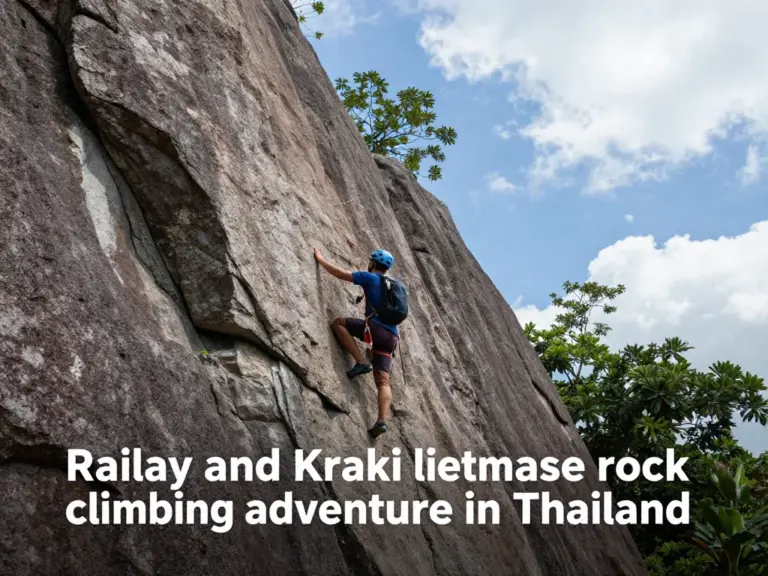
When travelers dream of the perfect blend between rugged adventure and tropical relaxation, they almost always land on the dramatic limestone cliffs of Southern Thailand. Railay and Krabi rock climbing has evolved from a niche activity for rugged backpackers into a world-class destination that attracts professional climbers and enthusiastic beginners alike. The towering karst formations, jutting out of turquoise waters like ancient monoliths, offer a playground unlike anywhere else on Earth.
Whether you are looking to pull on your harness for the first time or you are an experienced climber seeking your next multi-pitch challenge, this region offers an unparalleled experience. In this guide, we dive deep into the logistics, the best crags, and the essential tips for navigating this vertical paradise.
Why Krabi is the Mecca of Southeast Asian Climbing
The geology of Krabi is unique. Millions of years of tectonic activity and erosion have created a landscape of limestone karsts that are perfectly riddled with pockets, tufa formations, and crimps. The sheer variety of grades available—from beginner-friendly 5a routes to heart-pumping 8c projects—ensures that everyone finds their limit. Beyond the rock, the atmosphere is electric. After a long day on the wall, you are never more than a few minutes’ walk from a beach sunset, a fresh coconut, or a vibrant local market.
Top Climbing Hotspots in Railay and Phra Nang
Essential Locations
Railay Beach and the neighboring Phra Nang Beach are the beating heart of the climbing scene. Here are the must-visit crags:
1. 1-2-3 Wall
Located at the far end of Phra Nang Beach, this wall is the perfect training ground. It is incredibly accessible, making it the primary spot for climbing schools and beginners. The routes are well-bolted, mostly vertical, and offer a great introduction to limestone movement without the intimidation of massive overhangs.
2. Thaiwand Wall
For those seeking iconic views, Thaiwand Wall is non-negotiable. It offers some of the most famous multi-pitch routes in Thailand. The exposure is breathtaking, with the wall dropping directly into the sea. Climbing here feels like scaling the edge of the world.
3. The Human Nest
If you enjoy unique features, this spot is legendary. It features a giant, natural hole in the cliff face that you climb through. It is a visually stunning experience that perfectly encapsulates the weird and wonderful geology of Krabi.
Practical Tips for Your Climbing Trip
| Consideration | Advice |
|---|---|
| Best Time to Visit | November to April (Dry Season) |
| Gear Rental | Plentiful shops in Railay East; no need to bring heavy gear. |
| Safety | Always check bolts and wear a helmet due to loose limestone. |
When planning your trip, consider the heat. Climbing in Thailand is a tropical endeavor. Most climbers hit the rocks early in the morning, take a long break during the midday heat to swim or relax, and return to the crags in the late afternoon when the sun dips behind the cliffs.
คำถามที่พบบ่อย (FAQ)
Q: Do I need to bring my own climbing gear to Thailand?
A: Not necessarily. While dedicated climbers often prefer their own shoes and harness, there are numerous reputable climbing shops in Railay and Krabi Town where you can rent high-quality safety gear at very affordable daily rates.
Q: Is rock climbing in Krabi safe for complete beginners?
A: Absolutely. Many local climbing schools offer “Introduction to Climbing” courses. These are perfect for first-timers, covering safety, knot-tying, and belaying techniques under the watchful eye of certified guides.
Q: What should I wear for climbing in Thailand?
A: Light, breathable athletic wear is essential. Because of the high humidity, quick-dry synthetic materials are better than cotton. Don’t forget sunscreen and plenty of water!